STRUCTURAL CONCRETE • DIV 03 FL CGC1517295 • CCC1329271

Retaining Wall Repair in Fort Lauderdale, FL

A failing retaining wall doesn't just lean — it threatens everything behind it. We diagnose the cause, reinforce the structure, and restore drainage for a lasting fix.

ICRI 310.1R Protocol 360° Rebar Undercut
Hydraulic Shoring Certified Axial Transfer
100% In-House Crews Zero Subcontracting
Concrete Retaining Wall Stabilization & Drainage Restoration
FL STATE LICENSED
CGC1517295 • CCC1329271
>6,500 PSI
Polymer Mortar
3/4" Min
Rebar Clearance
100%
Monolithic Bond
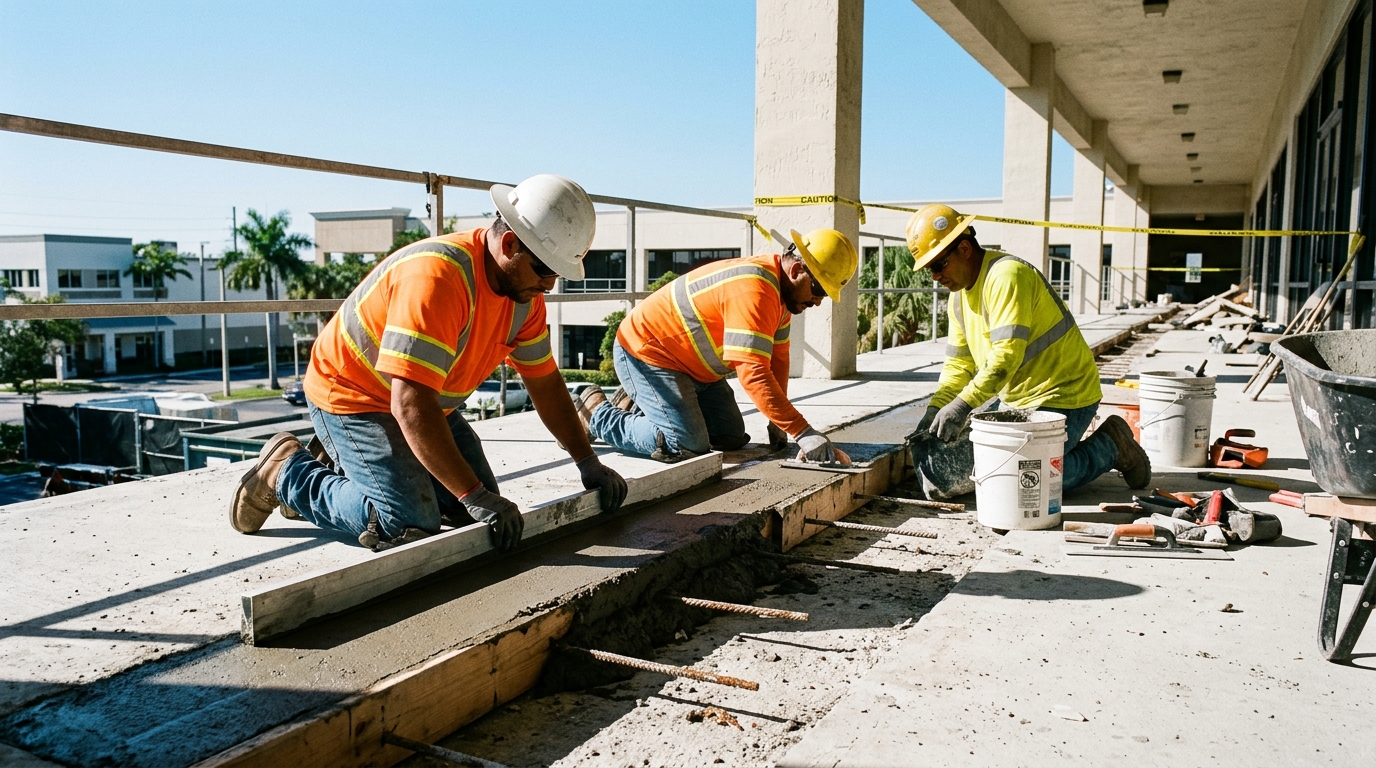
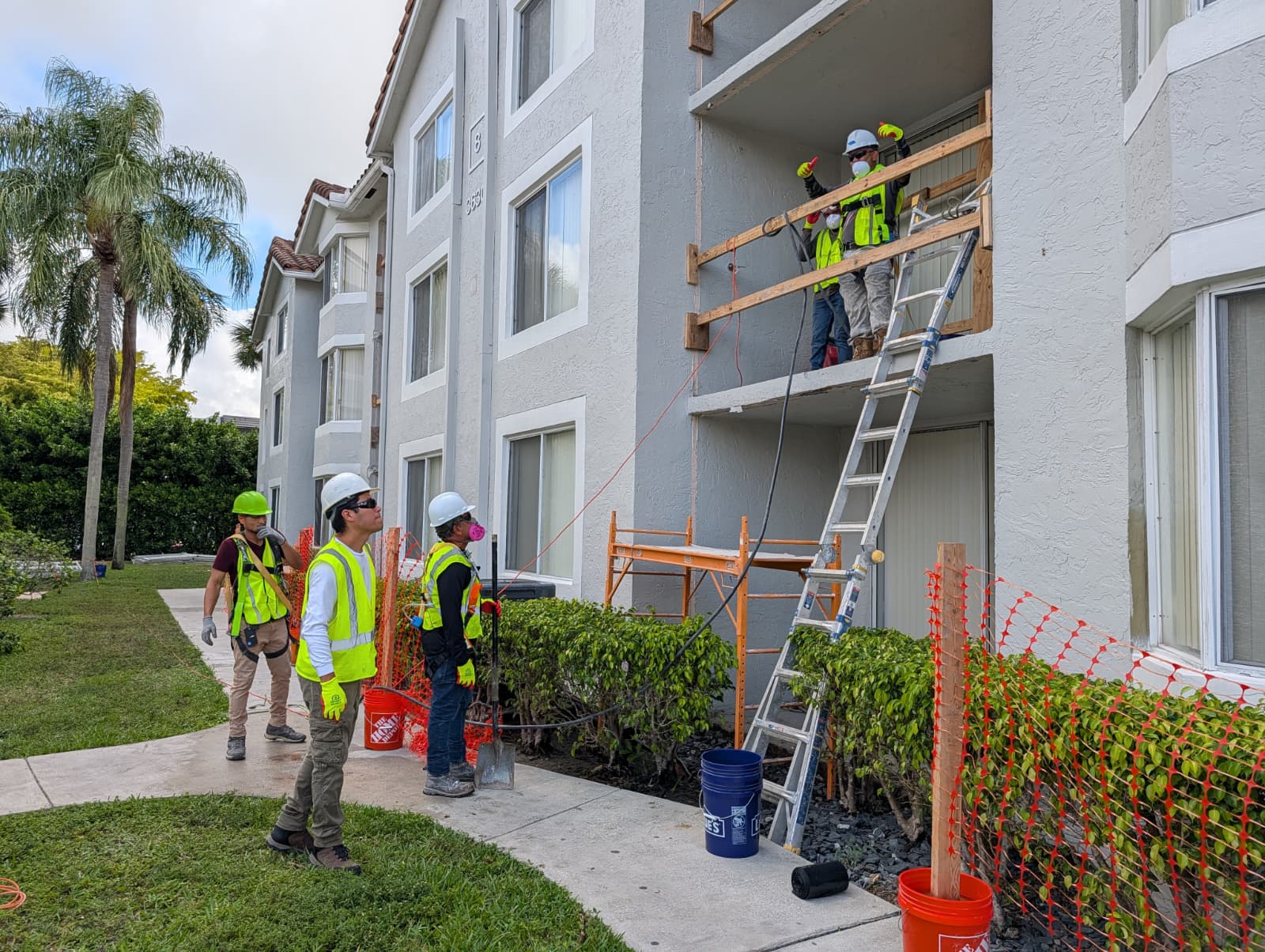
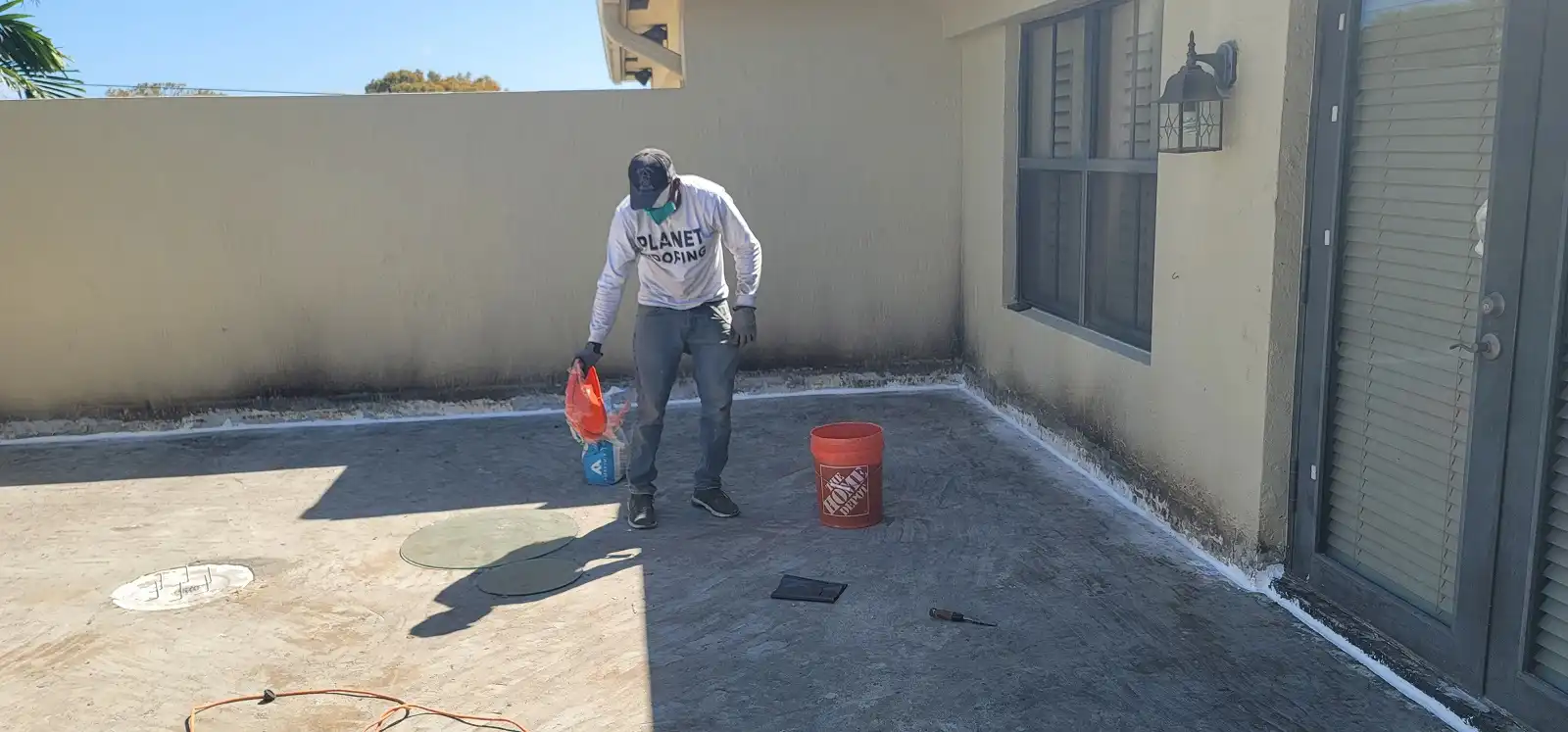
Concrete Retaining Wall Stabilization & Drainage Restoration on active South Florida job site
100% In-House Crews • Zero Brokers
Dedicated Planet Construction crews executing Structural Concrete Restoration Division
FIELD EXPERTISE • ICRI STANDARDS

Reinforce, Drain, and Protect — In One Job

Retaining wall repair in Fort Lauderdale addresses one of the most structurally consequential failures on residential and commercial properties — a retaining wall that is leaning, cracking, or separating is actively failing under the lateral earth pressure it was designed to resist. In South Florida's sandy, water-saturated soil conditions, retaining wall failures can be sudden and cause significant property damage. At Planet Construction FL, we assess retaining wall conditions accurately, address the drainage issues that are almost always the root cause, and restore or replace walls to proper structural performance.

ICRI 310.1R Protocol

Full 360° rebar undercut, mechanical rust descaling to bare metal, and cathodic zinc primer application.

Certified Hydraulic Shoring

Engineered multi-tier shoring towers safely support live and dead superstructure loads prior to chipping.

EOR Permitting & Sign-Off

Turnkey threshold special inspections, concrete cylinder break tests, and final municipal certificate of completion.

Life Safety • Structural Risk Mitigation

A Leaning Wall Threatens Everything Behind It

A leaning, cracked, or bulging retaining wall isn't just a wall problem — it's a slope, drainage, and soil pressure problem all at once. Patching the visible damage without solving the underlying cause guarantees the wall will move again, usually faster the second time. And when a retaining wall finally fails, it takes everything behind it with it.

Mandatory Building Department Benchmark • FBC Standards
Engineered Protocol • Quality Assurance

Drainage, Reinforcement, and Restoration in One Job

We start by addressing what's actually moving the wall — drainage problems, soil pressure, or structural failure — and then we reinforce, repair, or rebuild the wall using materials and methods matched to the situation. Proper drainage gets installed behind the wall so water never has a chance to push it out again. The repair holds because the cause is solved.

Fully documented for engineer of record recertification file
CORE STRUCTURAL DEFICIENCIES • DIVISION SCOPES

Signs of Retaining Wall Failure

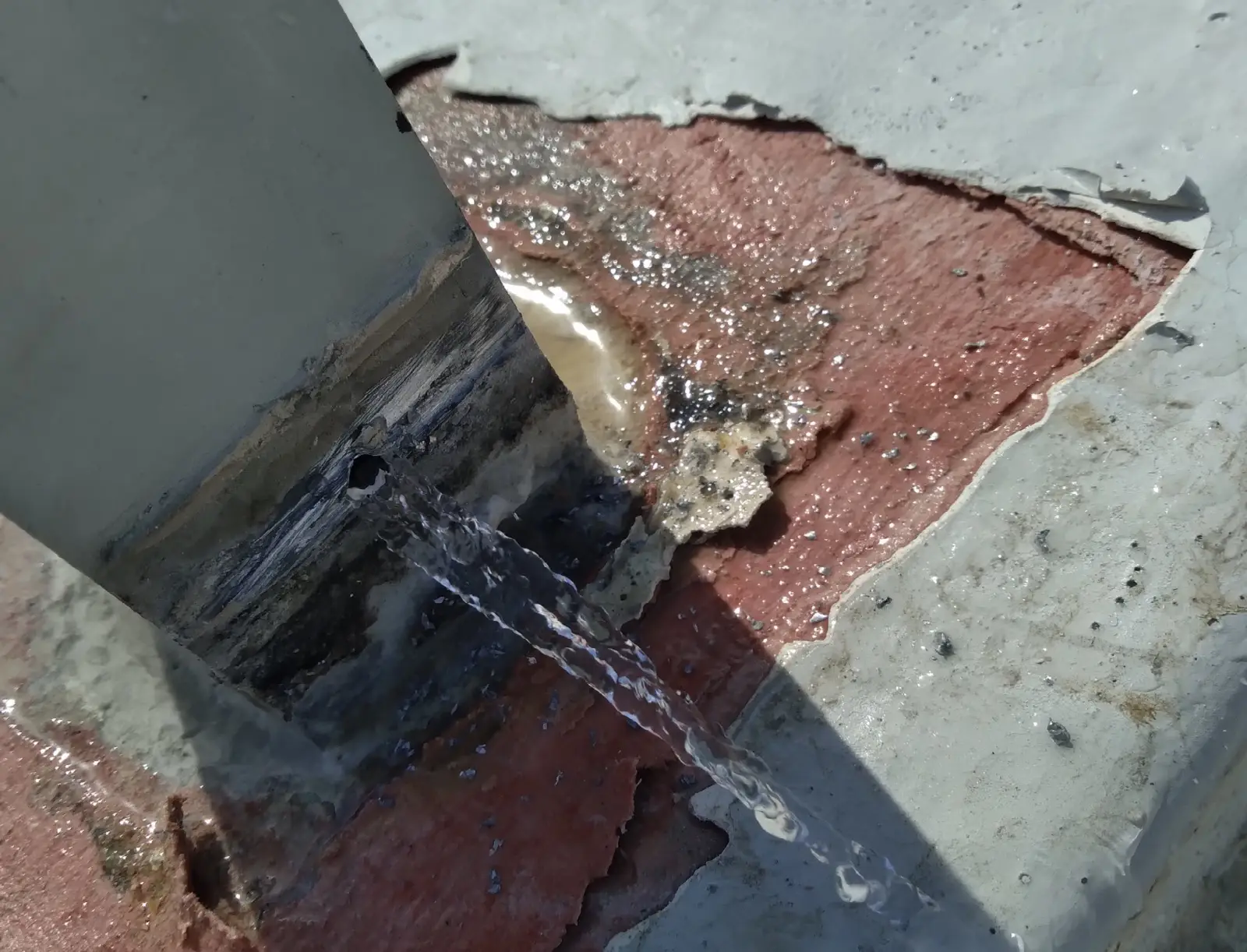
Retaining wall problems are often visible well before catastrophic failure occurs — if you know the warning signs. Horizontal cracking across the wall face indicates bending stress from lateral earth and hydrostatic pressure that is approaching or exceeding the wall's capacity. Forward leaning or tilting — even a few inches of outward movement at the top — is a serious sign that the wall's structural resistance has been overcome by the forces behind it. Vertical cracking at the wall's ends indicates differential settlement or movement at the foundation. Bulging of the wall face in the middle of a span indicates soil pressure concentrated in that zone. Separation at the footing-to-wall joint, wet staining throughout the wall face, or water weeping through the wall are signs that drainage is failing and hydrostatic pressure is building — the most common cause of retaining wall failure in South Florida.

Concrete Retaining Wall Stabilization & Drainage Restoration division scope 1 SPECIALIZED DIVISION
ENGINEERED RESTORATION

Concrete Retaining Wall Stabilization & Drainage Restoration Core Remediation

Comprehensive repair protocols meeting Florida Building Code and structural engineering specifications.

Request Detailed Quote →
Building envelope moisture protection SURFACE PROTECTION
MOISTURE & TRAFFIC COATINGS

Waterproof Membrane Integration

Seamless elastomeric barriers protecting underlying assemblies from South Florida salt-air and rain penetration.

View Waterproofing Options →
Structural frame and load bearing support STRUCTURAL FRAMES
LOAD-BEARING ELEMENTS

Structural Reinforcement & Shoring

Engineered hydraulic load transfer towers, steel splice welds, and polymer micro-concrete jacketing.

Inquire About Shoring →
Specialized engineering inspection and quality control QUALITY CONTROL
MUNICIPAL COMPLIANCE

Threshold Inspections & Testing

On-site special inspector reviews, cylinder breaks, pull-off adhesion testing, and certificate of completion.

Request Engineering Audit →
Commercial building facade and exterior refresh EXTERIOR ENVELOPE
EXTERIOR RESTORATION

Facade & Perimeter Protection

Stucco crack isolation, urethane expansion joint renewal, and coastal salt corrosion shielding systems.

Explore Facade Services →
High-pressure chemical grout injection and emergency response SUBTERRANEAN DEFENSE
ACTIVE LEAK DEFENSE

Pressure Chemical Grout Injection

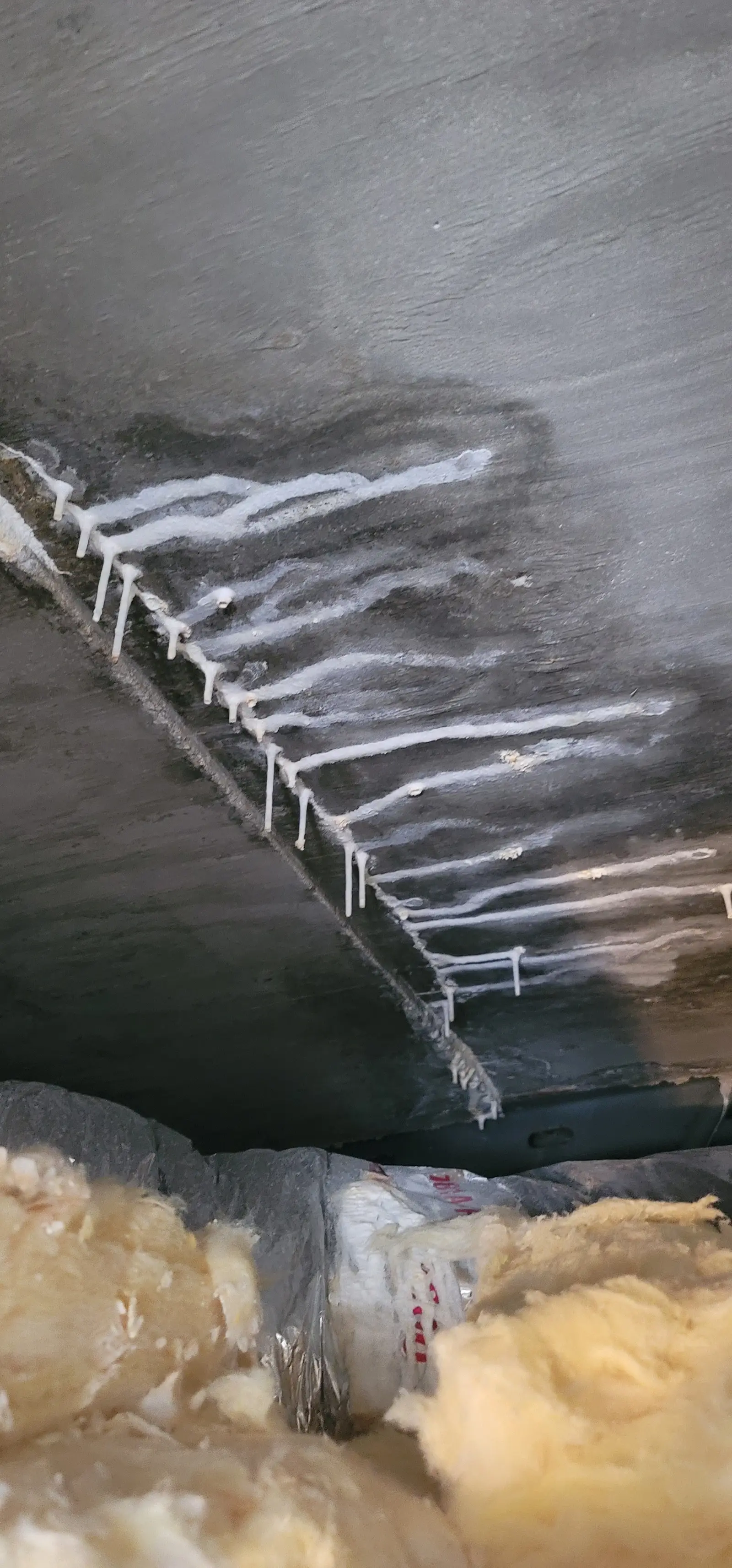
Hydrophobic polyurethane and epoxy injection stopping subterranean water intrusion in elevator pits and foundations.

Request Leak Diagnostic →
Regulatory Code Standards • FBC & ASTM Compliance

Why Drainage Is Always the Root Cause

Most retaining wall failures in Fort Lauderdale are ultimately drainage failures. A properly drained retaining wall resists only the lateral pressure of the soil — a predictable, manageable load. A poorly drained wall also resists hydrostatic water pressure from saturated soil — a load that can be 50% or more greater than the dry soil pressure alone, and one that increases with every rain event. South Florida's intense rainfall saturates soil rapidly and repeatedly throughout the year, making drainage detail the most critical element of any retaining wall design or repair. Planet Construction FL always addresses drainage as part of every retaining wall repair scope — installing weep holes, French drains, or gravel drainage columns behind the wall as appropriate to the specific condition. Repairing the wall without fixing the drainage is a temporary solution.

Licensed CGC1517295 • CCC1329271 Execution
Direct Engineer of Record Special Inspections
Code Assurance Criteria
ENGINEERING PROTOCOL
Sealed PE Affidavits
Signed & sealed engineering inspection reports for city permit closeout.
MATERIAL SPECIFICATION
ASTM C928 Polymer Mortars
High-early strength (>7,500 PSI) with micro-silica and corrosion inhibitor.
LEGAL COMPLIANCE
Florida SB 4-D Milestone
Phase 1 & Phase 2 structural repair scopes fully documented for HOA records.
Request Engineering Scope Review →
THE DUAL-LICENSE DIFFERENCE

Why Hiring a Single-Source General Contractor Saves Projects

Concrete structural restorations intersect with waterproofing membranes, expansion joints, and municipal milestone permits. Dividing trades creates delays, finger-pointing, and voided warranties.

THE TRADITIONAL MODEL

Disjointed Subcontracting

Separate concrete patchers, painters, and coating contractors frequently void each other's warranties. If water intrusion recurs, the waterproofer blames the concrete mortar while the mason blames the sealant.

Critical Risk: Multi-vendor disputes, finger-pointing over leaks or failures, and voided manufacturer warranties.
MUNICIPAL RAPIDITY

Accelerated Permit Milestones

We pull permits directly across Fort Lauderdale, Pompano Beach, Hollywood, Boca Raton, and Weston building departments. We coordinate engineering special inspections daily to prevent costly stop-work delays.

Turnkey Efficiency: Faster city sign-offs, reduced disruption, and full Florida Building Code certification.
RIGOROUS 5-PHASE PROTOCOL

Retaining Wall Repair Methods

The repair approach depends on the wall type, extent of damage, and the cause of distress. For concrete block retaining walls with cracking and minor movement, crack repair with epoxy injection combined with drainage correction and surface waterproofing can restore performance. For walls that have exceeded their structural capacity — significant leaning, widespread cracking, or foundation undermining — partial or full replacement with a properly designed and drained replacement wall is the correct solution. Carbon fiber strap systems can be used to resist ongoing lateral pressure in walls that cannot be excavated for conventional repair, bonding horizontal straps to the wall face and anchoring them to deadman anchors in the undisturbed soil behind the wall. We evaluate each wall's condition and specify the repair approach that provides the most durable, cost-effective result.

01
Initial Assessment

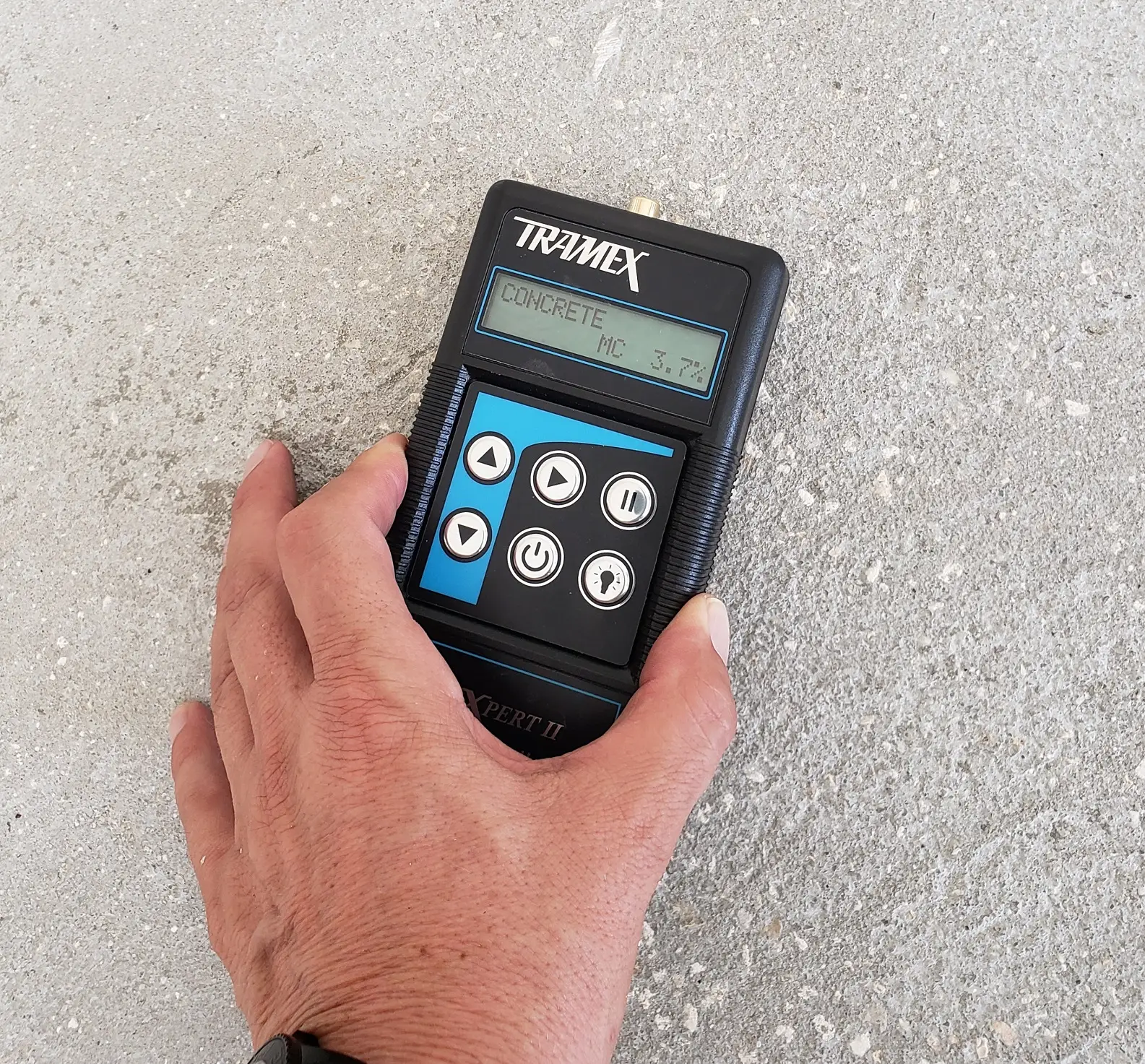
EOR Audit & Delamination Sounding

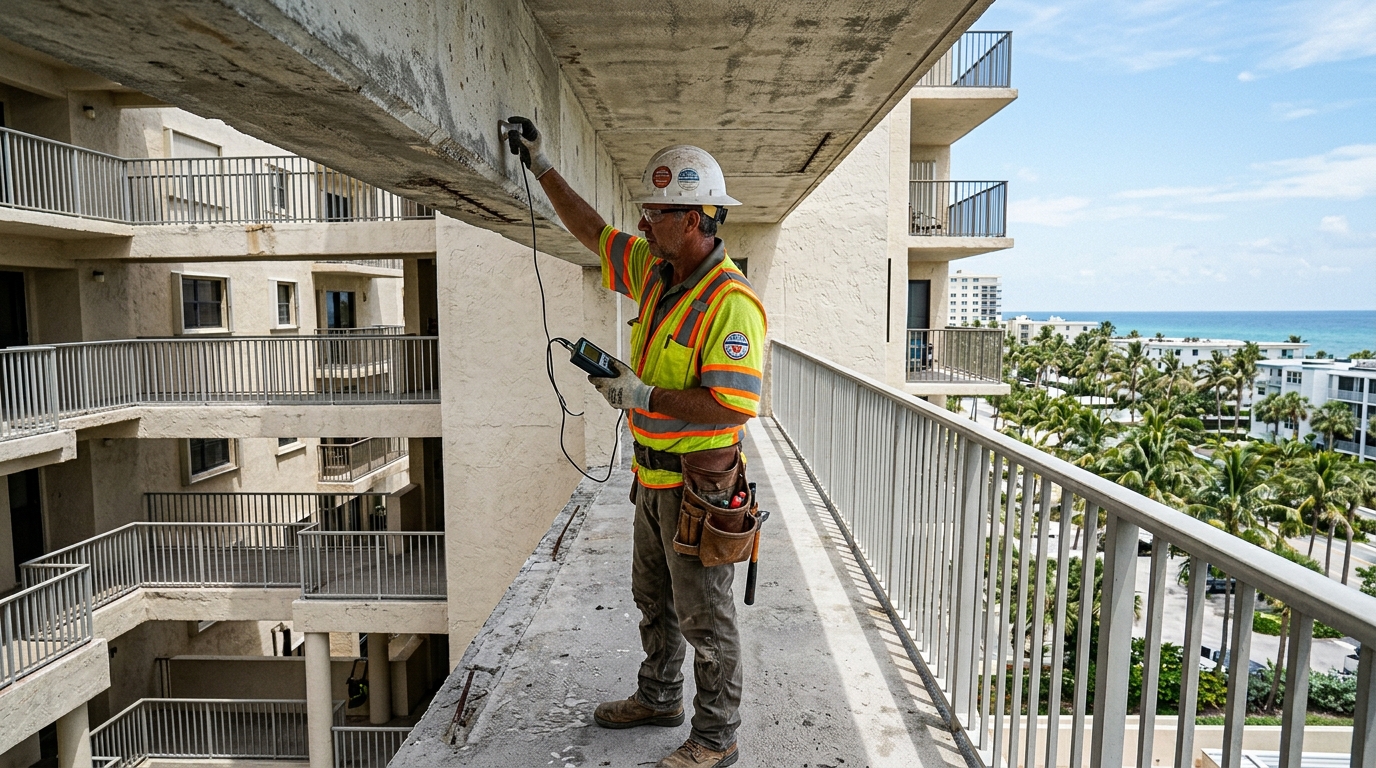
Technicians review engineer reports and conduct acoustical hammer sounding surveys to map hidden subsurface delaminations.

02
Pre-Construction

Certified Shoring & Permitting

Erecting calibrated multi-tier hydraulic shoring towers and pulling municipal building department permits across South Florida.

03
Site Preparation

ICRI 360° Rebar Demolition

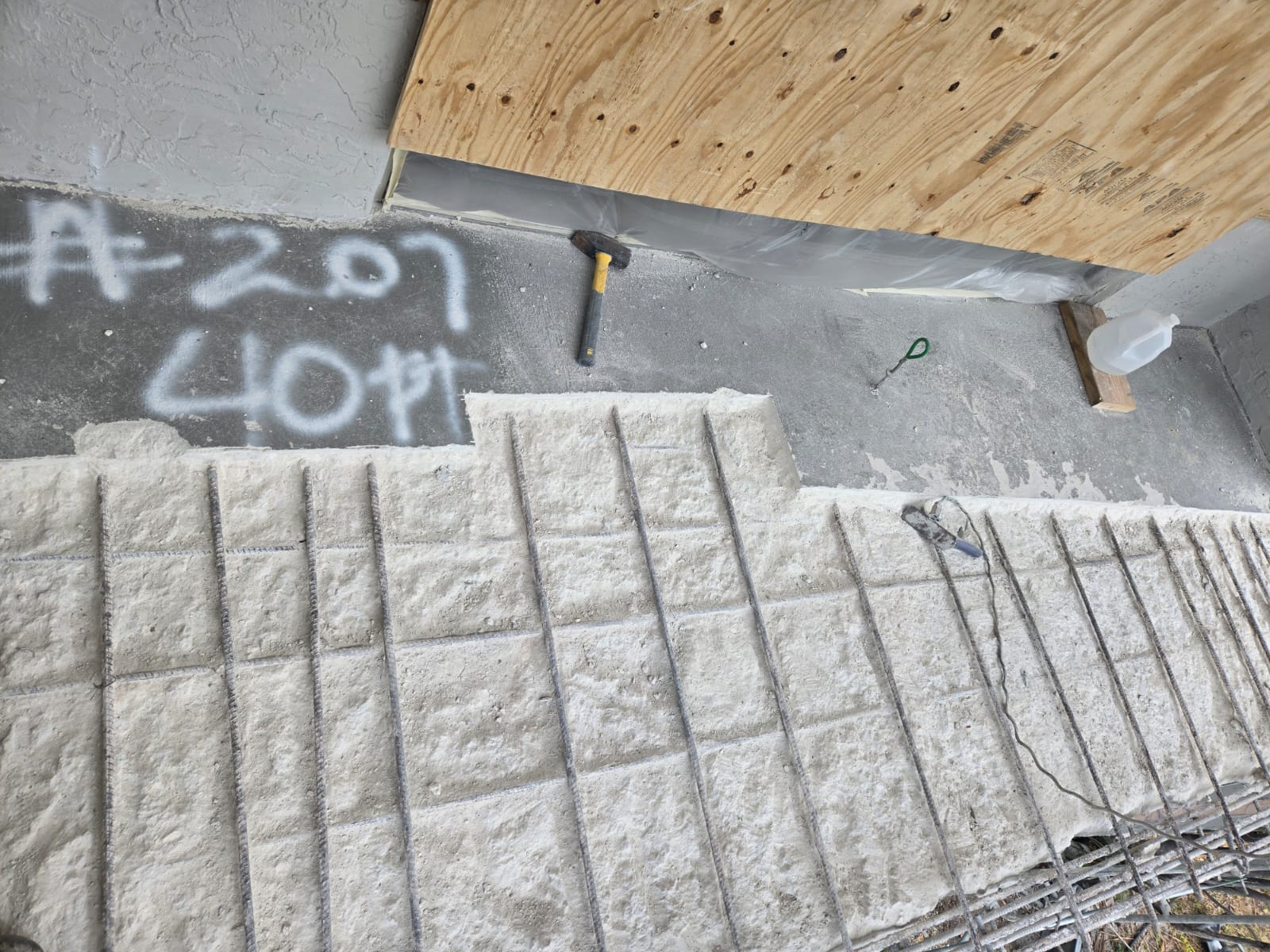
Chipping concrete to 3/4-inch clearance around oxidized steel, sandblasting to bare metal (SSPC-SP 10), and applying cathodic zinc primer.

04
Precision Execution

Polymer Mortar Cast & Curing

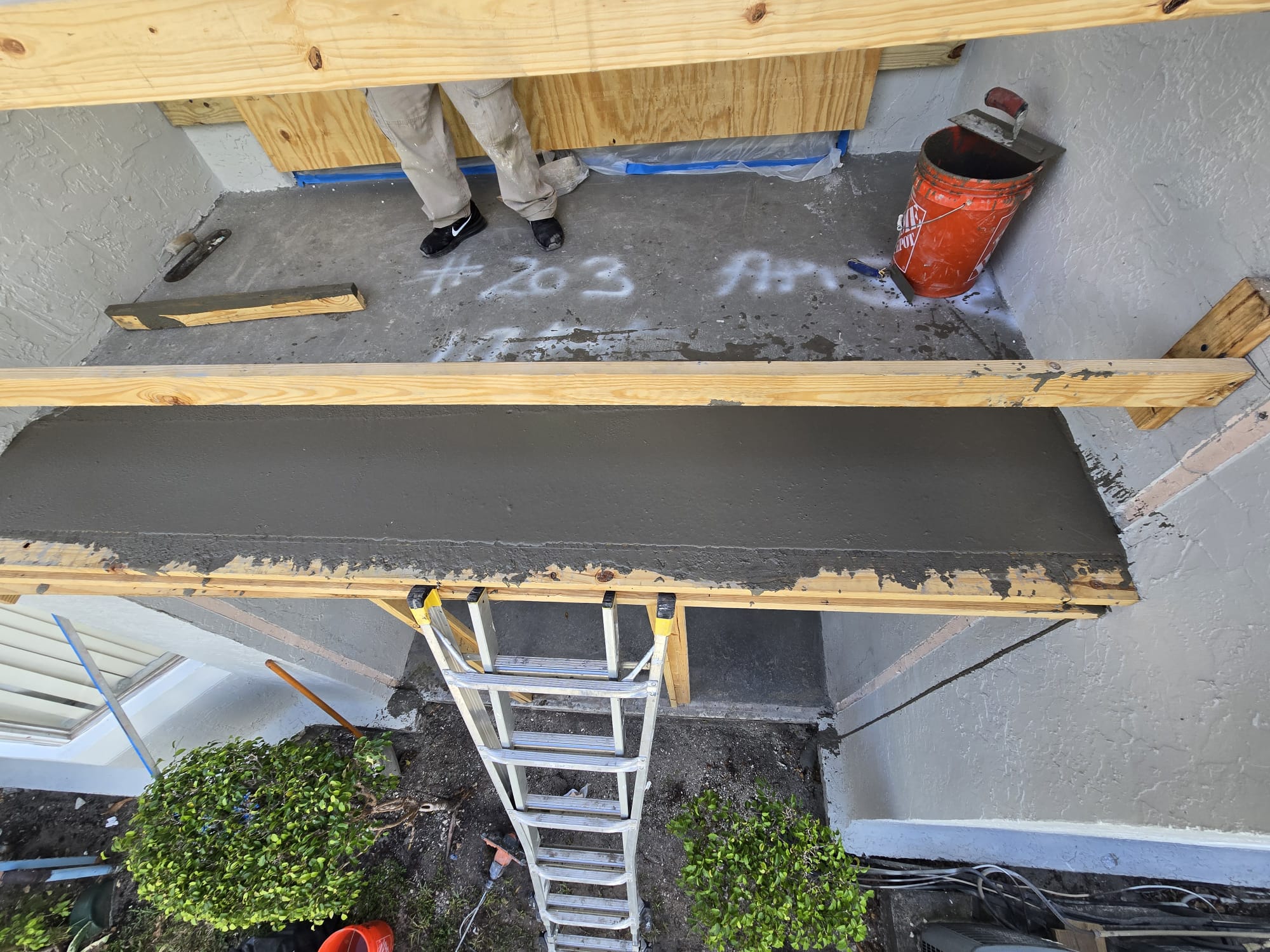
Scrubbing cementitious bonding slurry into SSD substrate, casting high-strength micro-concrete (>6,500 PSI), and controlling wet curing.

05
Quality & Sign-Off

Protective Membrane & Sign-Off

Applying elastomeric waterproofing barrier coats, performing flood testing, and securing final municipal building department permit sign-off.

Our Retaining Wall Repair Process
Field Verified • Active Florida Site
Florida Milestone • SB 4-D Engineering Standard
Direct Engineer-of-Record Coordination • Licensed CGC1517295 Execution
Commercial Asset Managers • HOA Boards

Our Retaining Wall Repair Process

Every retaining wall repair engagement begins with a structural condition assessment — documenting crack locations, measuring wall deflection, evaluating foundation condition, and assessing the drainage system (or lack thereof) behind the wall. A written scope of work follows, detailing the repair approach, drainage solution, and any permit requirements. For most structural retaining wall repairs, a building permit is required in Fort Lauderdale and Broward County. After permit issuance, repair work proceeds according to the scope — from crack repair and carbon fiber strapping on lightly distressed walls, to full excavation, demolition, and replacement on severely compromised structures. Drainage improvements are always the final step, ensuring the repaired wall won't face the same conditions that caused the original failure.

Multi-Unit Program Support

Phased construction logistics, resident notices, reserve study alignment, and direct engineer of record milestone recertification sign-offs.

HOA Board Presentation Packages & Milestone Recertification Decks
Multi-Year Capital Expenditure Phasing to Mitigate Special Assessments
Request Program Proposal Direct Qualifier CGC1517295 • No Obligation Board Review
FIELD CRAFT • REAL SOUTH FLORIDA SITES

Verified Project Spotlight • South Florida Concrete Restorations

Documented case studies showcasing engineered structural repairs across Broward and Palm Beach County properties.

Condo Balcony Structural Restoration
DIV 03 • STRUCTURAL Weston, FL
WESTON • CONDOS

Condo Balcony Structural Restoration

Full-depth cantilevered balcony spall excavations, railing pocket re-anchoring, and multi-layer pedestrian traffic coatings for 48 units.

Permit Approved • City of Weston
Shear Wall & Parapet Restoration
DIV 07 • ENVELOPE Pompano Beach, FL
POMPANO BEACH • COASTAL TOWER

Shear Wall & Parapet Restoration

Extensive rebar replacement, micro-concrete form-and-pour jackets, and salt corrosion shielding for coastal high-rise assemblies.

SB 4-D Milestone Compliant • Broward County
Commercial Garage Deck Resurfacing
DIV 08 • COMMERCIAL Fort Lauderdale, FL
FORT LAUDERDALE • COMMERCIAL

Commercial Garage Deck Resurfacing

Hydro-demolition of 6,500 sq ft delaminated deck concrete, heavy vehicular expansion joints, and polyurethane traffic membranes.

Zero Downtime Phasing • City of Fort Lauderdale

Offering Entire Superior Services Solutions

Single-source general contracting, coastal roofing, and structural restoration engineered for South Florida.

Genti Kraja (John) - Planet Construction Qualifying Contractor
COMMON QUESTIONS • STRAIGHT ANSWERS

Frequently Asked Questions

Clear answers regarding engineering specifications, municipal code compliance, and structural concrete restoration standards.

Is a leaning retaining wall an emergency?

Yes — any retaining wall showing forward movement should be assessed by a professional immediately. A wall that is actively leaning is failing under load, and progressive failure can accelerate suddenly, particularly during or after heavy rain when soil saturation dramatically increases lateral pressure. Restrict access to the area near a leaning wall and schedule a professional assessment without delay.

Do I need a permit to repair a retaining wall in Fort Lauderdale?

Retaining walls over a certain height — typically 30 inches — require a building permit for construction or structural repair in Fort Lauderdale and Broward County. Permit requirements include structural engineering drawings for walls above this threshold. Planet Construction FL manages the permit process and coordinates with structural engineers where engineering documentation is required.

What is the best material for retaining walls in South Florida?

Poured concrete and concrete masonry unit (CMU) block are the most common and durable retaining wall materials in South Florida. Properly designed and drained, both perform well in Fort Lauderdale's conditions. Timber retaining walls have a shorter service life in South Florida's heat and humidity and are generally not recommended for permanent applications. Segmental retaining wall systems (interlocking concrete block) are effective for walls under four feet in height with proper drainage behind the wall.

How long does retaining wall repair take?

Crack repair and drainage correction on a stable wall can often be completed in 2–4 days. Partial wall replacement — removing and rebuilding a failed section — typically takes 5–10 days including excavation, forming, concrete placement, and backfill. Full wall replacement on larger structures is scoped individually after the assessment and may take 2–4 weeks depending on wall length and height.

FAST WRITTEN ESTIMATES • DIRECT ACCOUNTABILITY

Get Your Retaining Wall Assessment

Free wall and drainage assessment. We'll diagnose what's moving the wall and quote a repair that holds.

Need immediate contractor answers?

Speak directly with John Kraja, Qualifying Contractor (CGC1517295 & CCC1329271). No salesmen, no middleman brokers. We respond within 15 minutes during business hours.

(754) 301-6747
  • Florida Certified General Contractor • Lic #CGC1517295
  • Florida Certified Roofing Contractor • Lic #CCC1329271
  • $2,000,000 General Liability + Complete Workers' Comp

Zero obligation. Engineering and site plans held under strict commercial confidentiality.