 PEDESTRIAN TRAFFIC
BALCONY MEMBRANES
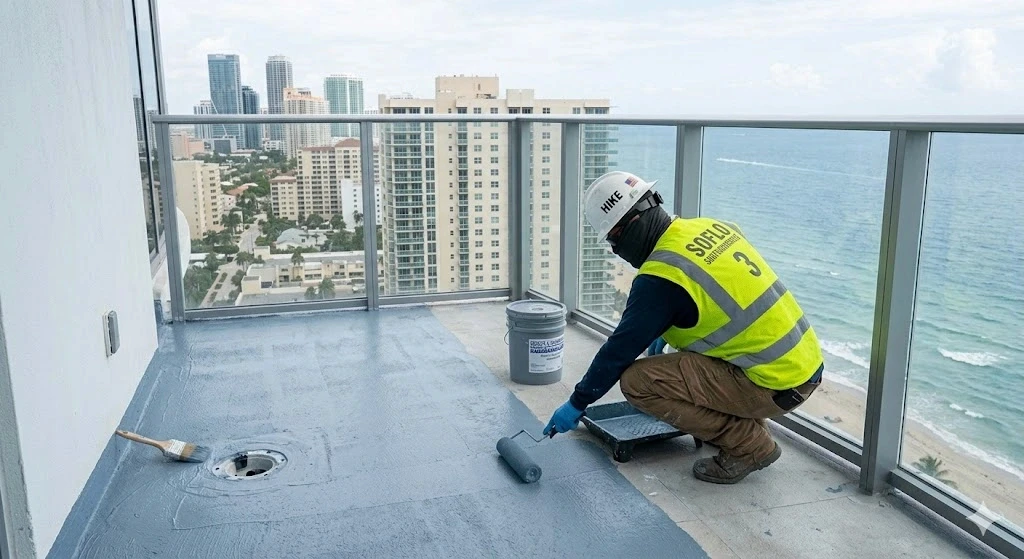
Balconies & Elevated Decks
Multi-layer polyurethane traffic membranes with perimeter cant strips and code-approved drip flashing.
Request Detailed Quote →Patios sit exposed to everything Florida has — sun, rain, traffic, and pool splash. We waterproof patios with coatings engineered for the long haul, not the next dry season.
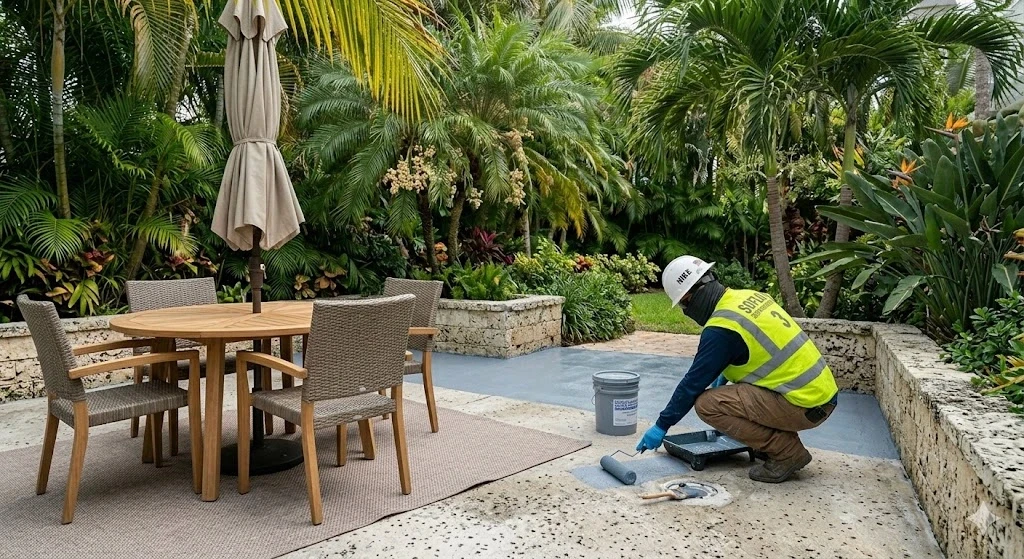
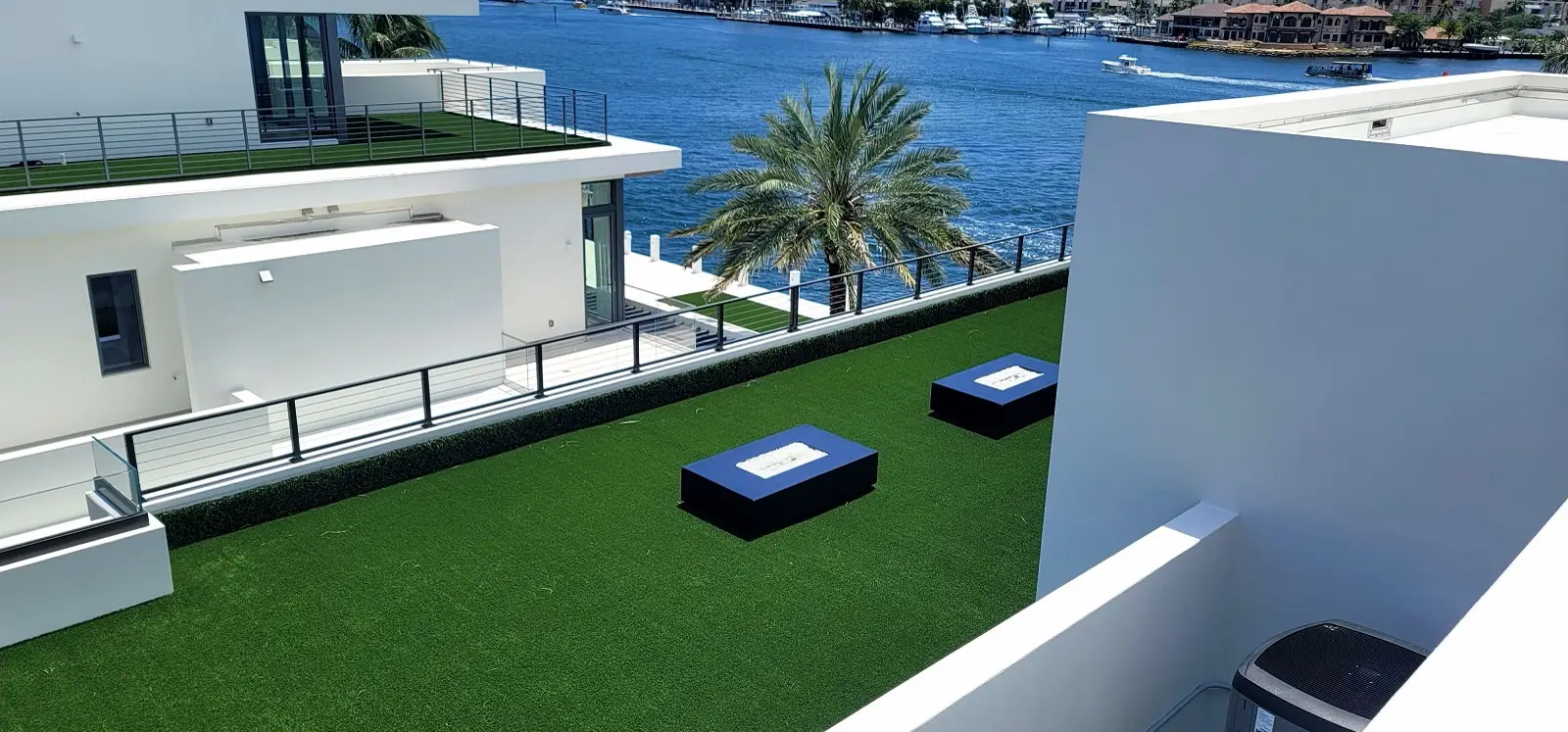
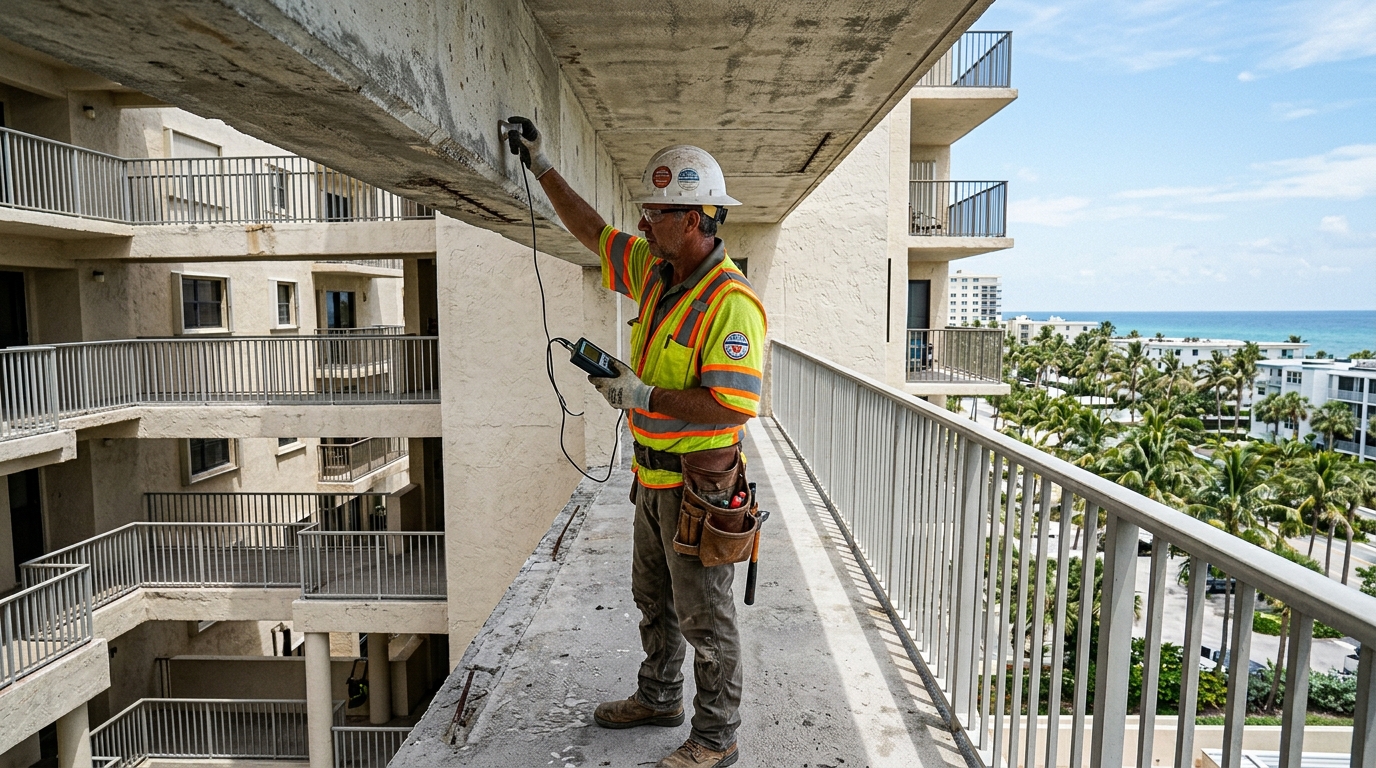
Patio waterproofing in Fort Lauderdale protects one of the most-used outdoor spaces in South Florida's year-round outdoor lifestyle — and one that takes a relentless beating from the elements. Between Fort Lauderdale's intense UV, daily thunderstorms, pool splash, and irrigation overspray, an unprotected patio surface absorbs moisture constantly, leading to staining, surface erosion, biological growth, and where the patio sits over occupied space, water infiltration below. At Planet Construction FL, we waterproof concrete and tile patios with systems matched to each surface's exposure conditions and aesthetic requirements.
Cold fluid-applied and PMMA systems cure seamlessly, eliminating lap-joint water entry points.
Diamond grinding and shot-blasting achieve ICRI CSP 3-4 anchor profiles for high-strength chemical bonding.
Single-source responsibility combining General Contractor (CGC1517295) and Roofing Contractor (CCC1329271) licenses.
A patio is exposed to direct UV, wind-driven rain, foot traffic, furniture loads, pool splash, and constant temperature swings. Standard sealers and coatings break down in this environment within a year or two, leaving cracks and porous surfaces where water seeps into the slab below. Once moisture reaches the underlying concrete, the damage cascades — staining, spalling, and structural breakdown.
We prep the patio surface to bond properly, repair any underlying cracks or damage, and apply waterproof coating systems designed for traffic and exposure. Different patios get different systems — slip-resistant textured coatings for pool areas, smooth elastomeric finishes for covered patios, and decorative options where appearance matters. Every install is sealed and documented.
South Florida's climate makes patio waterproofing a practical necessity rather than a luxury upgrade. Fort Lauderdale's annual rainfall of over 60 inches doesn't arrive gently — it arrives in intense downpours that dump two to four inches of water in an hour, saturating patio surfaces and driving water into every unsealed joint, crack, and porous surface opening. Between rain events, relentless UV radiation breaks down the polymer binders in sealers and coatings, reducing their waterproofing effectiveness over time. Salt air degrades sealants at the patio's edges and transitions. For patios above occupied spaces — at the second floor of a home, over a garage, or on a building terrace — waterproofing failure means interior water damage below. Even for ground-level patios, waterproofing protects surface integrity, prevents staining, and dramatically reduces the cleaning maintenance that South Florida's organic debris and algae growth demands.
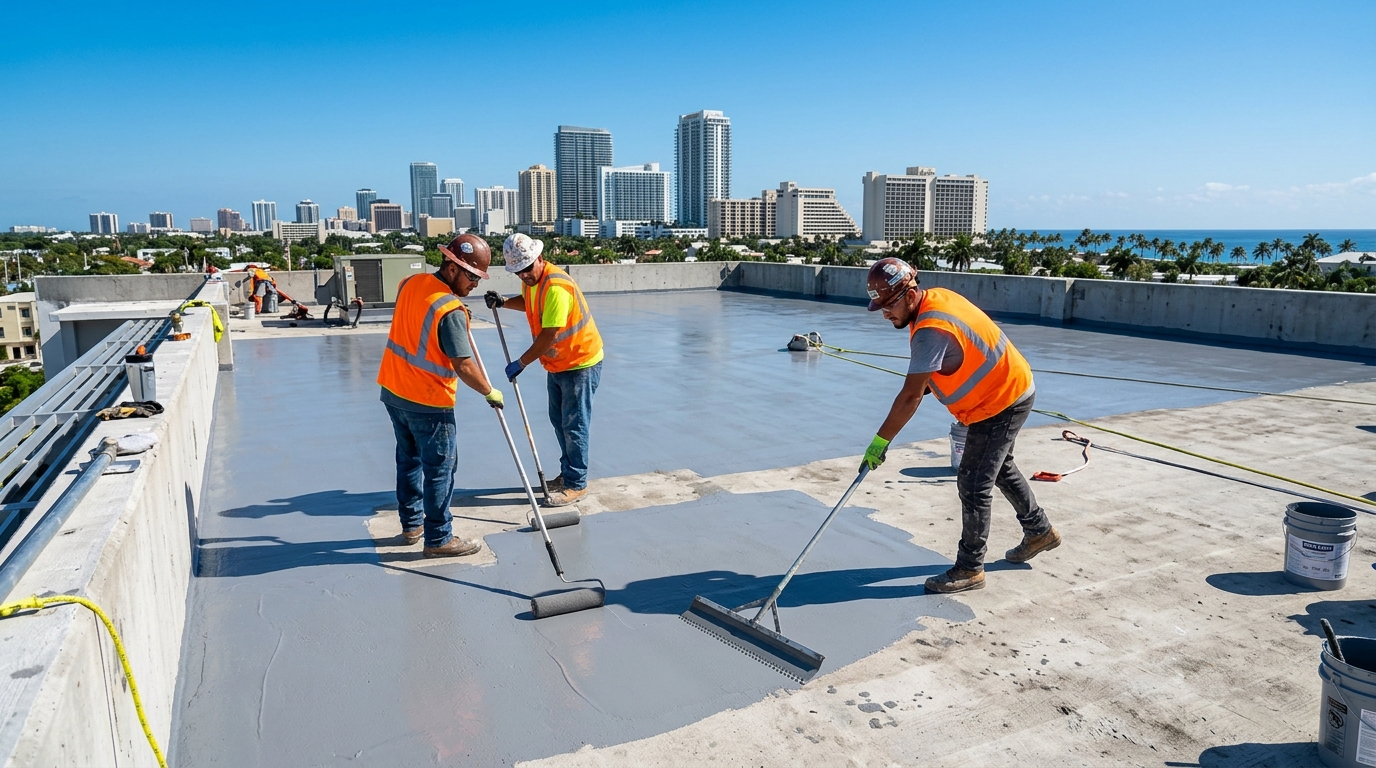
PEDESTRIAN TRAFFIC
Multi-layer polyurethane traffic membranes with perimeter cant strips and code-approved drip flashing.
Request Detailed Quote →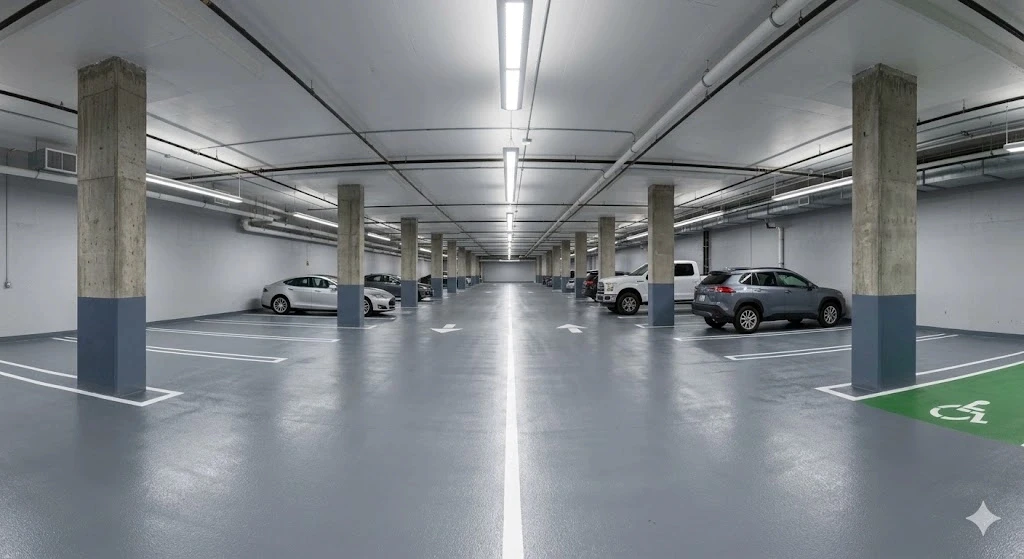 VEHICULAR TRAFFIC
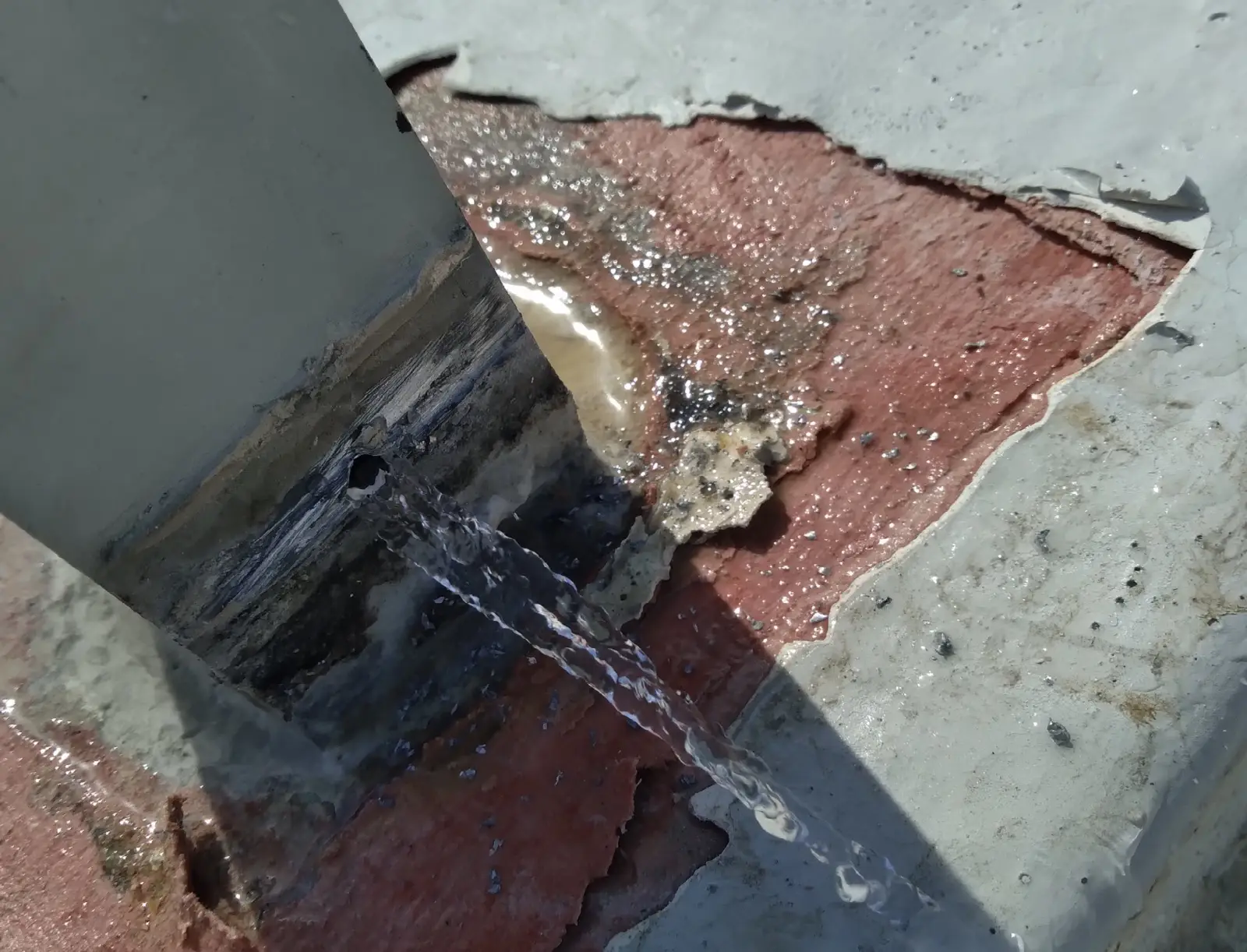
Heavy-duty aggregate-filled elastomeric urethane systems resisting vehicular abrasion and chloride penetration.
View Garage Systems →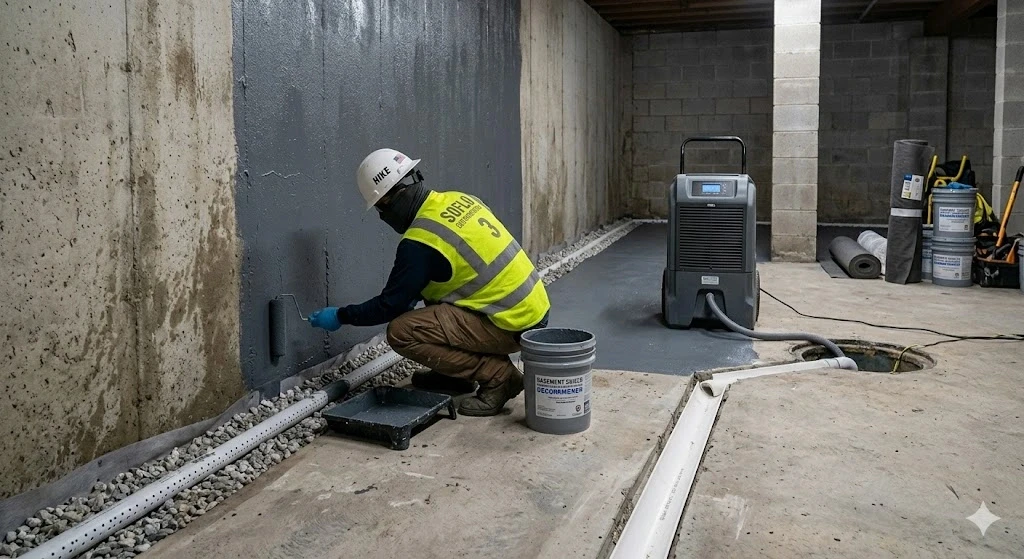 SUBTERRANEAN
Hydrostatic pressure barriers, bentonite sheets, and crystalline injection halting water table infiltration.
Inquire About Foundation →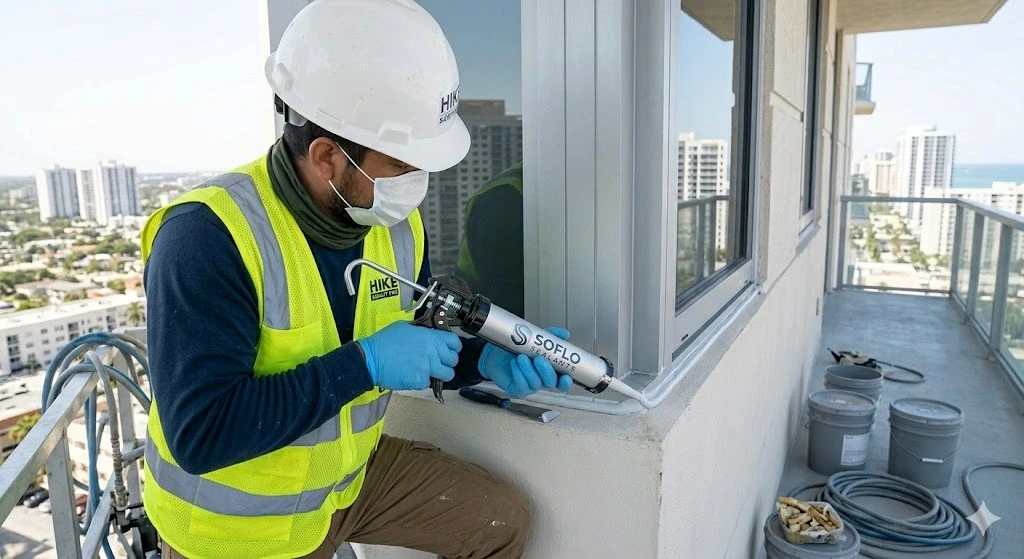 EXPANSION JOINTS
High-movement structural silicone and polyurethane joint sealants for window perimeters and wall transitions.
Explore Joint Sealants →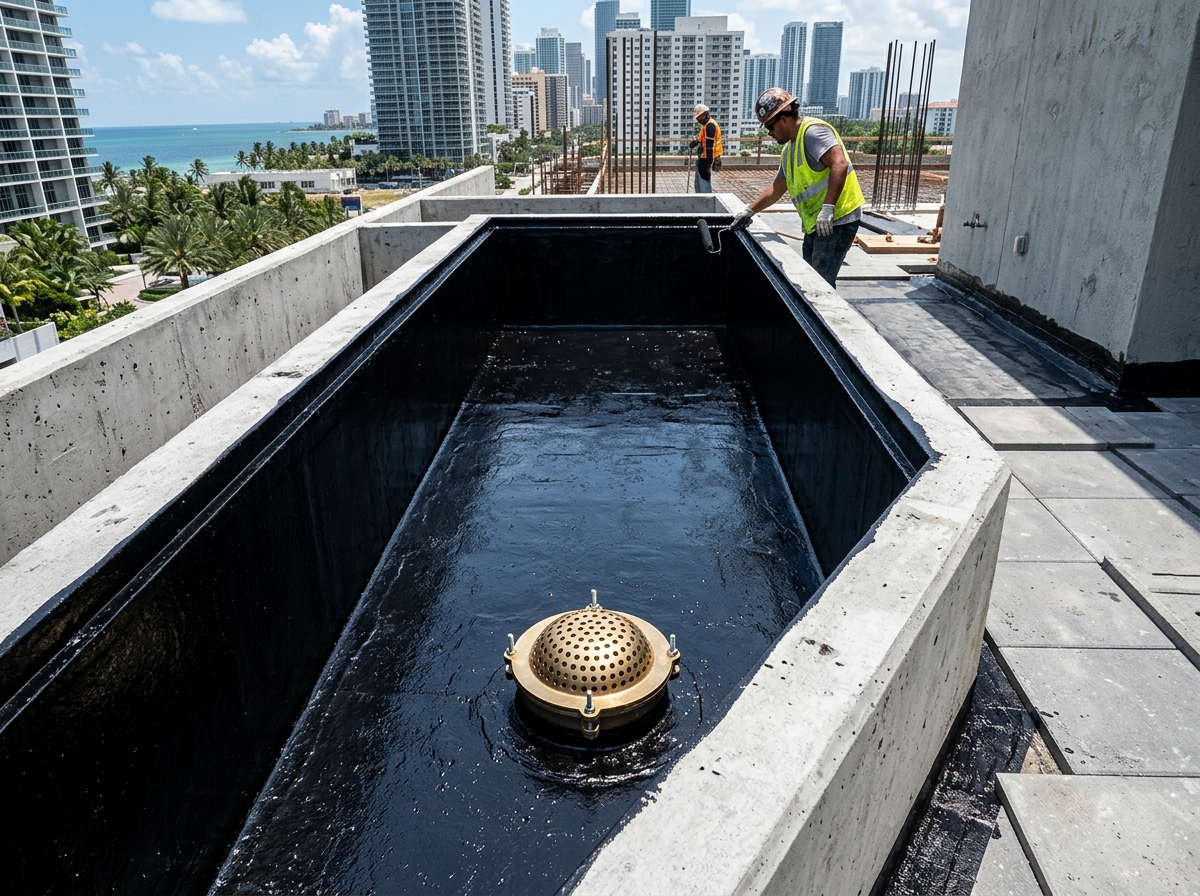 ROOT-RESISTANT
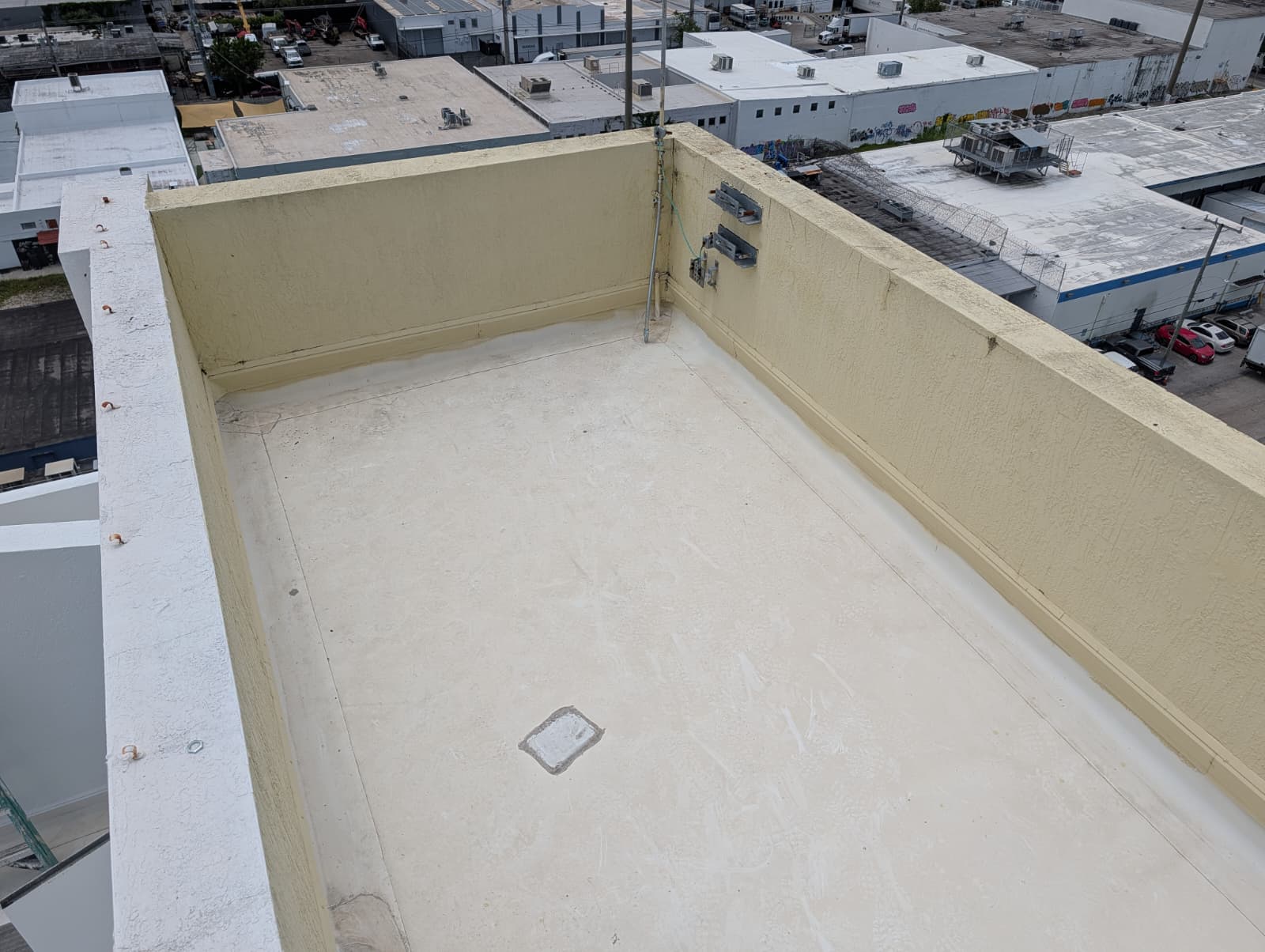
Root-barrier membranes, drainage boards, and internal flashing terminating soil moisture migration.
Inquire About Planters →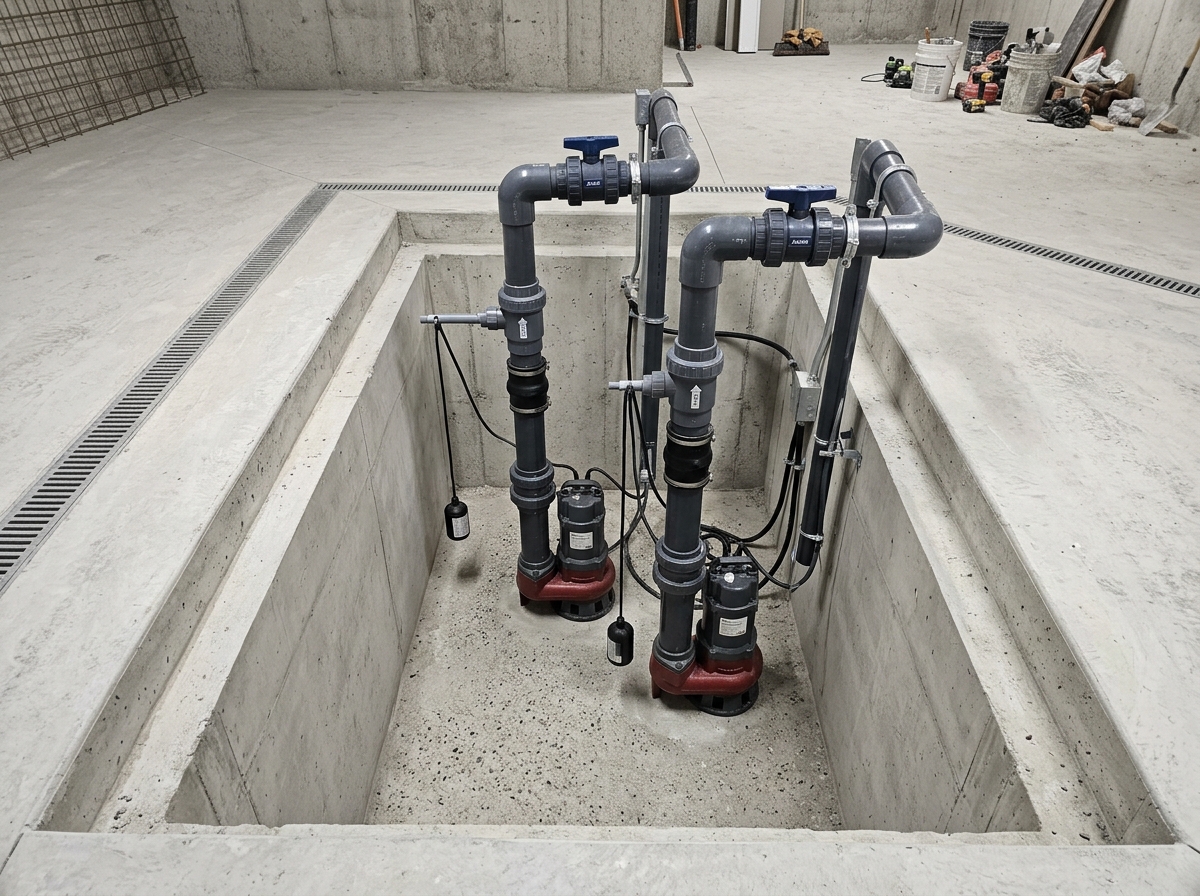 DRAINAGE RELIEF
Commercial cast-iron sump assemblies and perforated gravity drain lines protecting basement and slab levels.
Request Drainage Bid →Patio waterproofing product selection depends on the surface material and the specific performance requirement. For bare concrete patios, penetrating silane or siloxane sealers provide moisture resistance without altering the surface appearance, while film-forming acrylic or polyurethane sealers provide a visible sheen and enhanced stain resistance. For patios where the primary concern is keeping water out of the structure below, a liquid-applied polyurethane or elastomeric membrane system provides the continuous, crack-bridging waterproofing layer needed to prevent through-slab water movement. Tile-covered patios are waterproofed at the grout joints with penetrating sealers and at the perimeter and drain details with compatible sealants. Pool-adjacent patios receive UV-stable, slip-resistant, chemically-resistant coatings appropriate for chemical splash exposure.
Patios built over garages, lower-level rooms, or other occupied spaces require a waterproofing approach that goes beyond surface sealing. The concrete slab must be treated as a roof — fully waterproofed with a continuous membrane system that manages water off the slab without allowing any infiltration through to the space below. Planet Construction FL installs liquid-applied or sheet membrane systems on elevated patios with positive drainage slope, properly detailed drain installations, and all-edge and transition details treated to prevent water bypass. This approach eliminates the interior ceiling water stains, drywall damage, and mold conditions that result from elevated patios with inadequate waterproofing — a common maintenance problem in South Florida's older residential and commercial buildings.
Acoustic hammer sounding for hidden delaminations, diamond grinding to CSP 3-4, and concrete crack routing.
Chipping spalls, treating corroded steel, forming perimeter cove seal fillets, and detail-flashing all drains.
Two-component epoxy moisture barrier primer penetrating concrete pores to eliminate outgassing and maximize pull-off strength.
High-build elastomeric membrane basecoat, reinforced fiber scrim, and aggregate-broadcast UV topcoat for non-slip protection.
Waterproofed patios in Fort Lauderdale last significantly longer with basic maintenance practices. Annual inspection of the patio surface — checking for cracks, failed sealant at edges and drains, and areas where water is ponding rather than draining — catches small failures before they allow significant water infiltration. Cleaning the patio surface twice a year with a neutral pH cleaner removes the biological growth and organic staining that South Florida's warm, moist climate promotes and that can degrade certain sealer types over time. Pressure washing at moderate pressure maintains surface cleanliness without stripping the sealer. Resealing on the schedule appropriate to the sealer type — typically every 2–4 years for exterior applications — maintains the waterproofing performance that protects both the patio surface and any space below.
Phased construction logistics, resident notices, reserve study alignment, and direct engineer of record milestone recertification sign-offs.
Engineering-compliant high-performance traffic membranes, structural joint sealants, and building envelope moisture defenses across Broward and Palm Beach counties.
Multi-layer polyurethane pedestrian traffic membrane, cove perimeter detailing, and non-slip wear course over 48 residential units.
Shot-blast surface profiling, heavy vehicular urethane membrane application, and reflective stall restriping over 4 levels.
Post-tension cable pocket sealing, railing post embedment waterproofing, and fluid PMMA elastomeric deck coating.
Direct answers on membrane longevity, inspection protocols, resident coordination, and warranty coverage across South Florida.
DIY patio sealing is possible for homeowners comfortable with surface preparation and product application. The most common failure mode in DIY applications is inadequate surface preparation — applying sealer over dirty, contaminated, or damp concrete produces a sealer that peels within months. For elevated patios over living space or patios with existing water infiltration problems, professional waterproofing with a proper membrane system is the appropriate approach — the stakes of getting it wrong are too high for a DIY experiment.
Penetrating sealers on concrete patios typically last 3–7 years before reapplication. Film-forming acrylic sealers last 2–4 years in Fort Lauderdale's UV environment. Polyurethane and elastomeric membrane systems on elevated patios last 10–20 years. The exposure conditions of each patio — direct sun vs. covered, ground-level vs. elevated — significantly affect service life, and we factor these conditions into our product selection for each project.
It depends on the product. Penetrating sealers are essentially invisible. Matte or satin film-forming sealers enhance the concrete's natural color slightly without adding significant sheen. Gloss sealers and waterproofing coatings produce a more noticeable wet-look appearance. We show you sheen level options before application — the final look always matches your expectations before work begins.
Yes — tile sealers protect the tile surface but don't necessarily seal the grout joints, which are the most porous element of a tiled patio and the most common water entry point. Grout sealers applied to clean, dry grout joints significantly reduce water infiltration at the tile-to-grout interface. For tiled elevated patios, the grout sealer supplements — but does not replace — a proper waterproofing membrane beneath the tile-setting bed.
Request a comprehensive moisture diagnostic, membrane pull-off test, or turnkey board proposal. We provide detailed line-item bids backed by dual state contractor licenses.