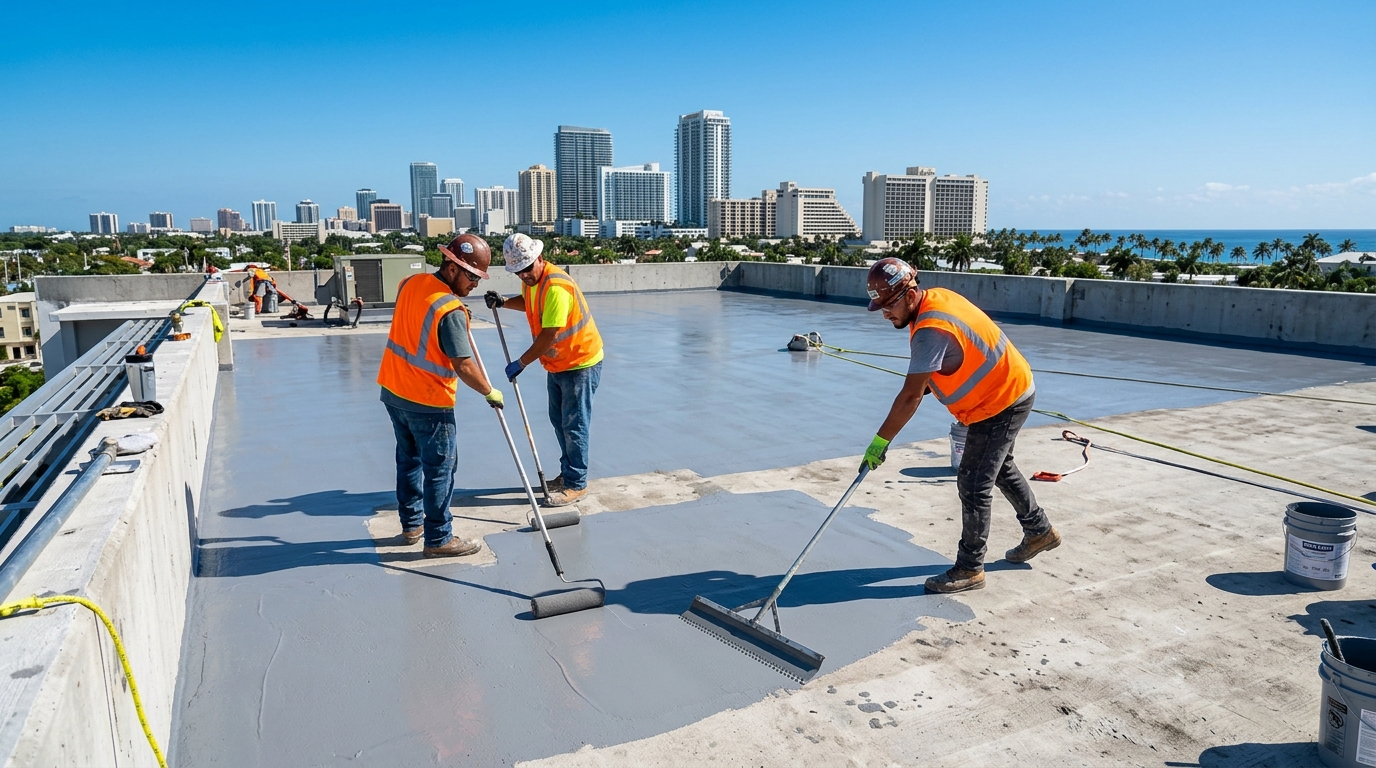
 PEDESTRIAN TRAFFIC
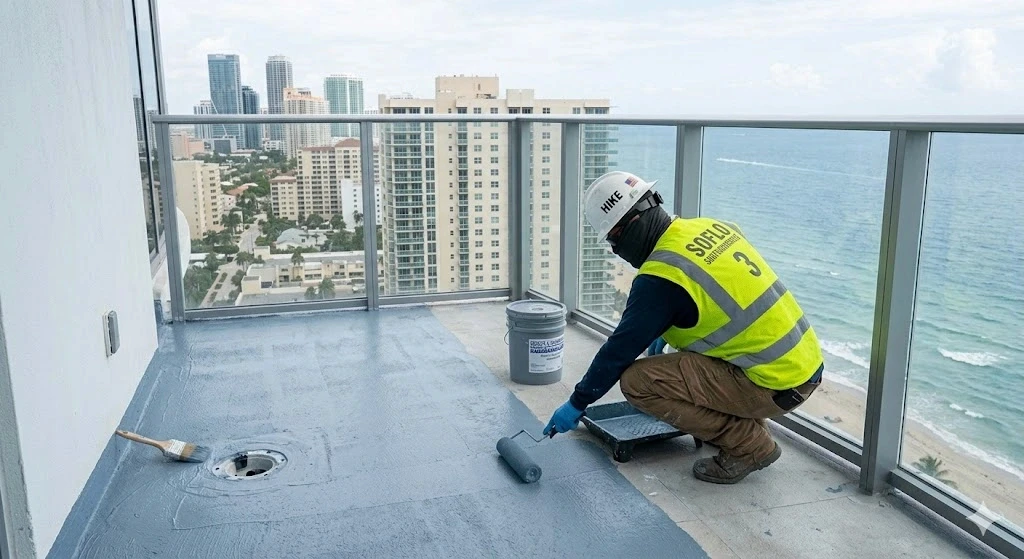
BALCONY MEMBRANES
Balconies & Elevated Decks
Multi-layer polyurethane traffic membranes with perimeter cant strips and code-approved drip flashing.
Request Detailed Quote →Planters built into buildings leak. Always. Unless they're waterproofed with the right system before the soil ever goes in. We restore failed planters and waterproof new ones to keep water out of your structure.
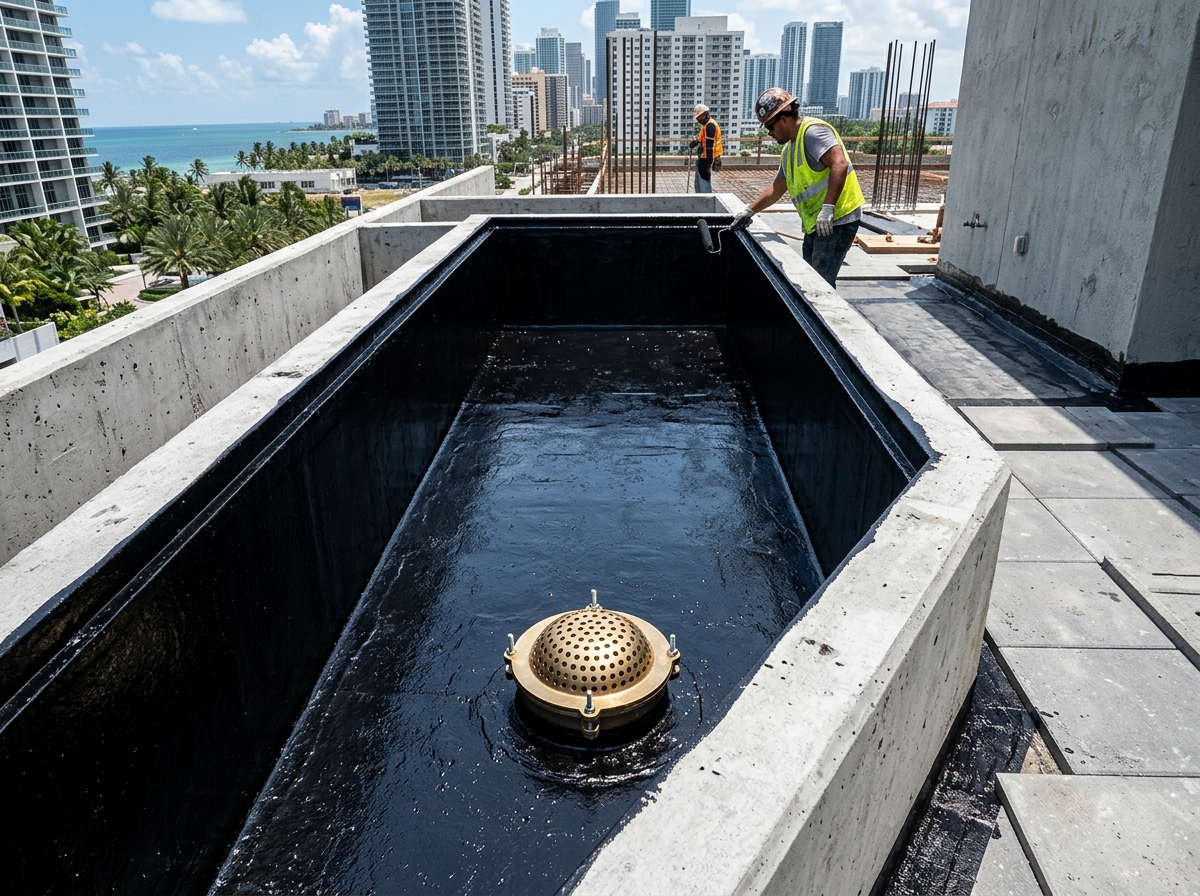
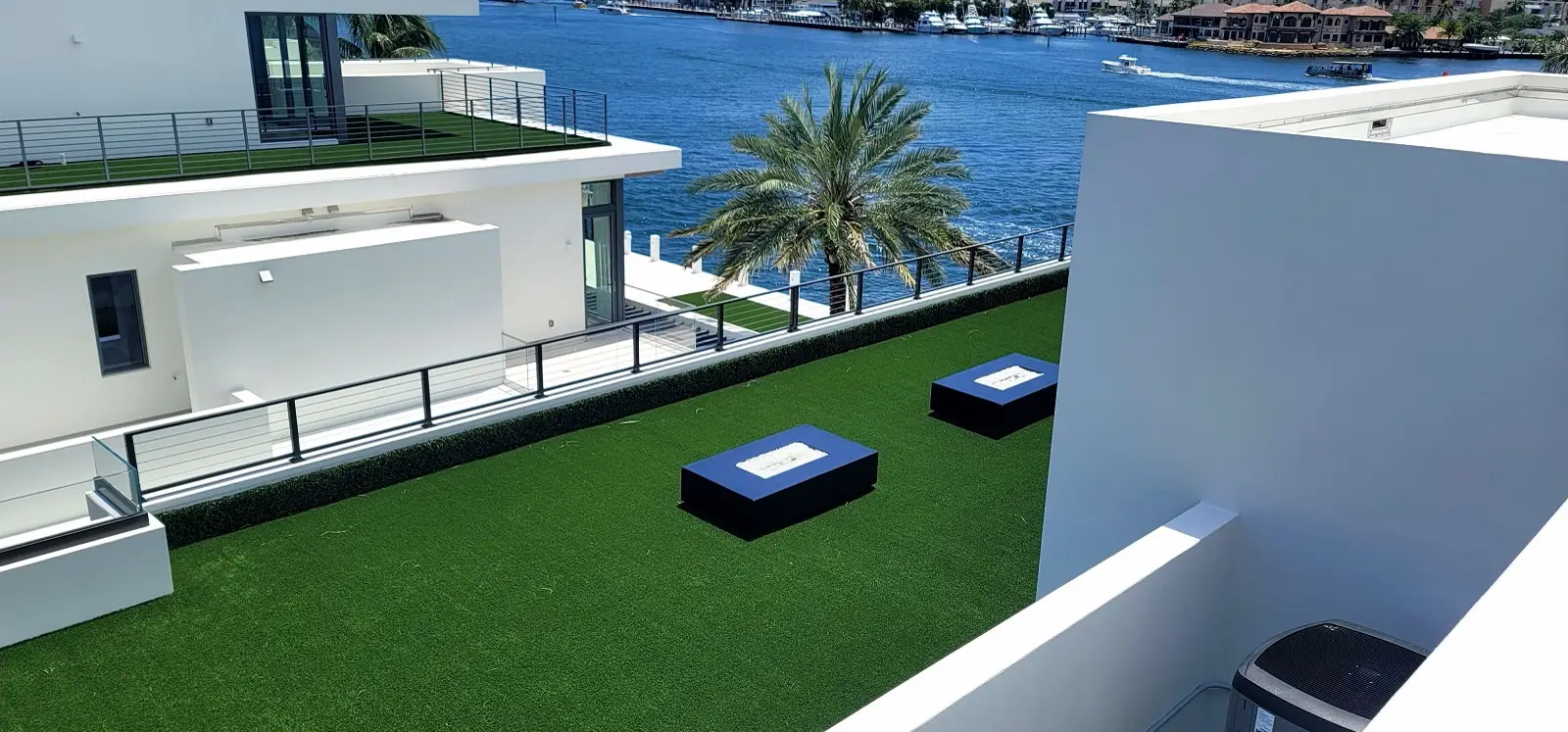
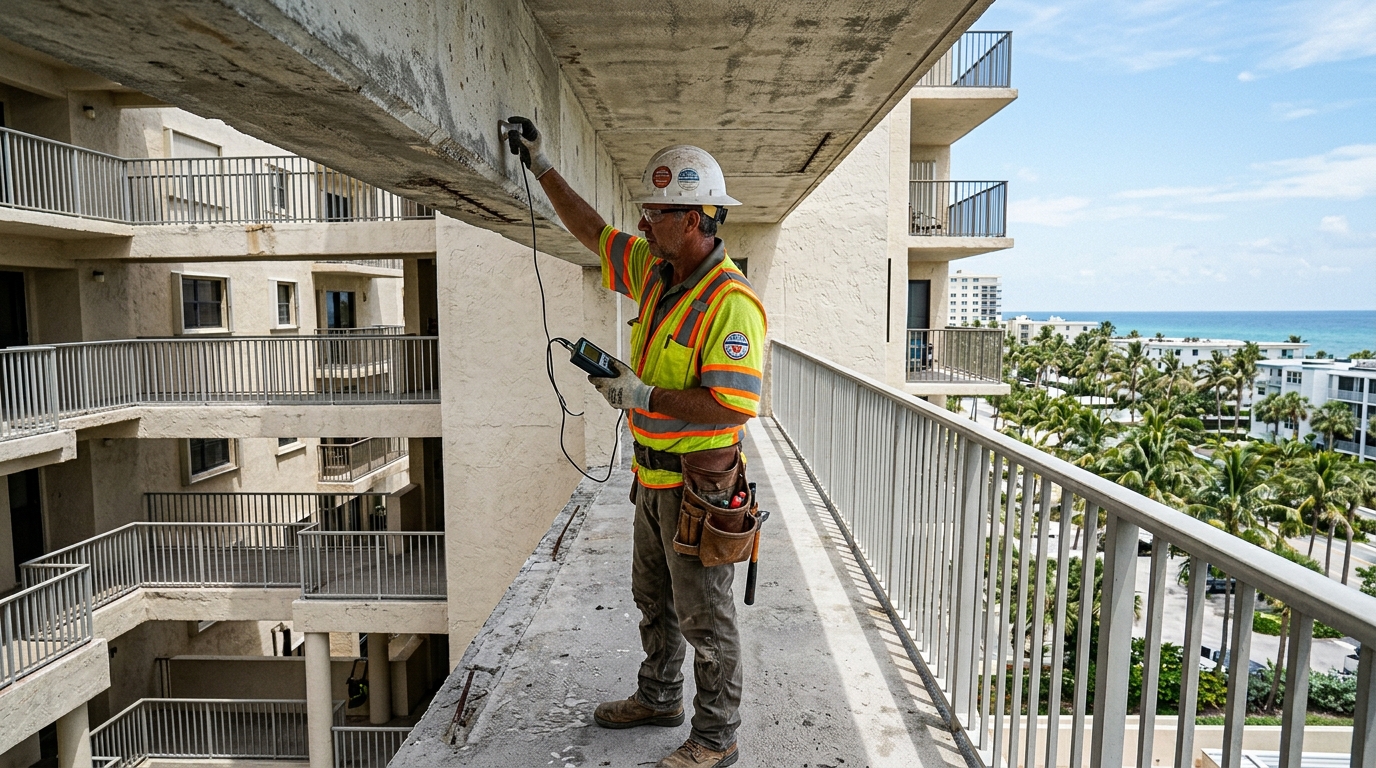
Planter box and landscape waterproofing in Fort Lauderdale protects the building structures beneath South Florida's lush outdoor plantings from the constant moisture that vegetation, irrigation, and Fort Lauderdale's rainfall deliver daily. Elevated planter boxes on condominium terraces, rooftop garden areas, and building-integrated landscape features sit directly over occupied space or structural slabs — and without proper waterproofing beneath them, the retained moisture from soil, irrigation, and rain infiltrates the slab below. At Planet Construction FL, we waterproof planter boxes and landscape areas with systems designed to manage both the hydrostatic and chemical demands of planted environments.
Cold fluid-applied and PMMA systems cure seamlessly, eliminating lap-joint water entry points.
Diamond grinding and shot-blasting achieve ICRI CSP 3-4 anchor profiles for high-strength chemical bonding.
Single-source responsibility combining General Contractor (CGC1517295) and Roofing Contractor (CCC1329271) licenses.
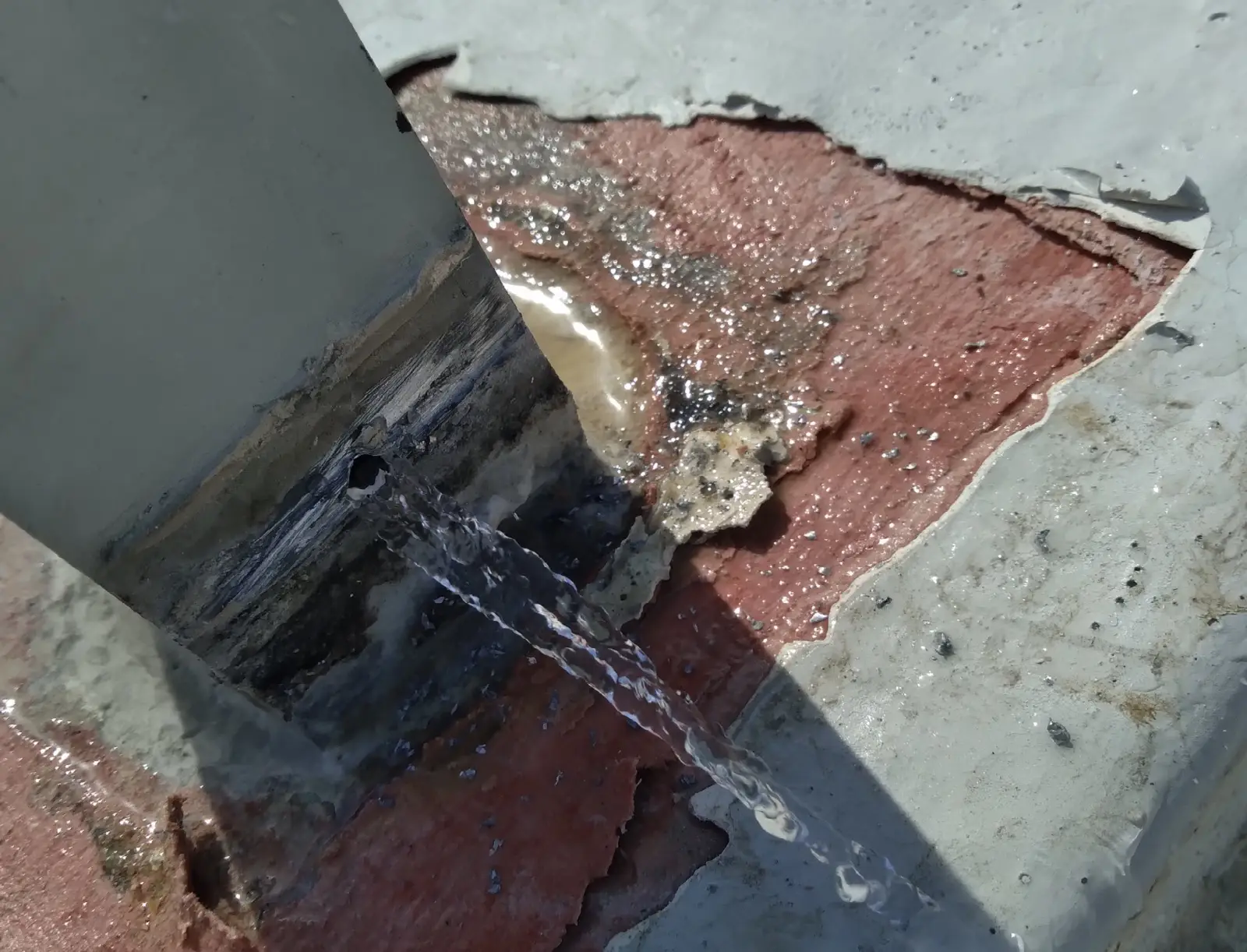
Built-in planters and landscape features hold soil and water against your building's structure 24/7. Without proper waterproofing, that constant moisture finds every weak point — staining walls, damaging slabs, corroding rebar, and creating leaks that are nearly impossible to trace because the source is hidden under landscaping. Most leaking planters were waterproofed with the wrong system — or none at all.
We empty and inspect the planter, remove failed waterproofing, repair underlying structural damage, and install a full waterproofing system designed for permanent water exposure: proper substrate prep, fluid-applied membrane, root barrier, and drainage. Then everything is replanted properly. The result is a planter that doesn't leak — and a building that stays dry.
Planter boxes built over occupied or enclosed building spaces create a uniquely demanding waterproofing condition. The soil in a planter box retains moisture continuously — it is, by design, always damp from irrigation and rainfall. Unlike a deck surface that dries between rain events, a planter box keeps the underlying slab wet around the clock. South Florida's irrigation systems deliver additional moisture two to three times per week in dry season. Organic acids in planting soil and fertilizer residue are chemically aggressive to concrete and many membrane systems. Root systems from South Florida's aggressive tropical plants can penetrate membrane laps, seams, and penetrations, creating direct water pathways into the structure below. Planter box waterproofing must address all of these conditions simultaneously — continuous moisture, chemical exposure, root intrusion, and the hydrostatic pressure of saturated soil over the membrane.
PEDESTRIAN TRAFFIC
Multi-layer polyurethane traffic membranes with perimeter cant strips and code-approved drip flashing.
Request Detailed Quote →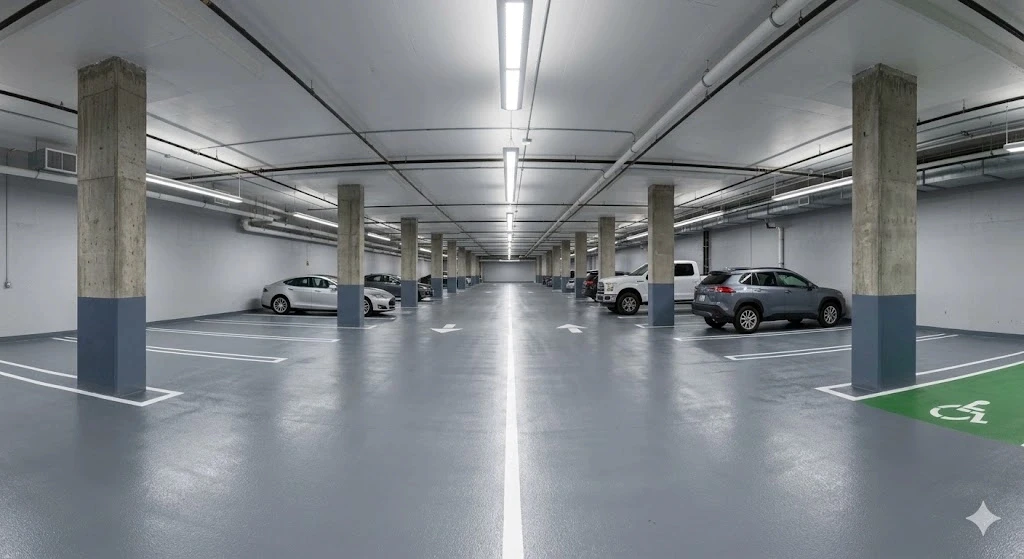 VEHICULAR TRAFFIC
Heavy-duty aggregate-filled elastomeric urethane systems resisting vehicular abrasion and chloride penetration.
View Garage Systems →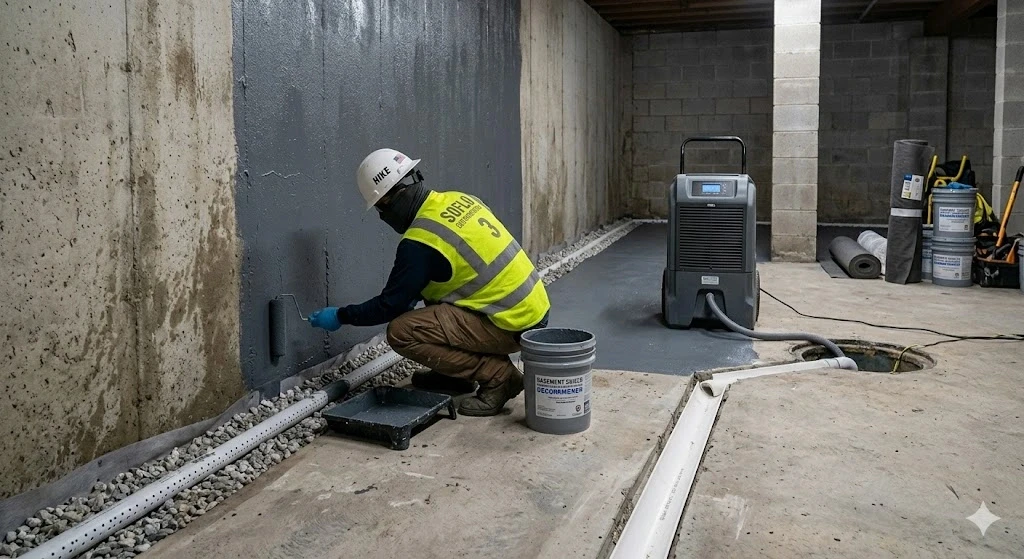 SUBTERRANEAN
Hydrostatic pressure barriers, bentonite sheets, and crystalline injection halting water table infiltration.
Inquire About Foundation →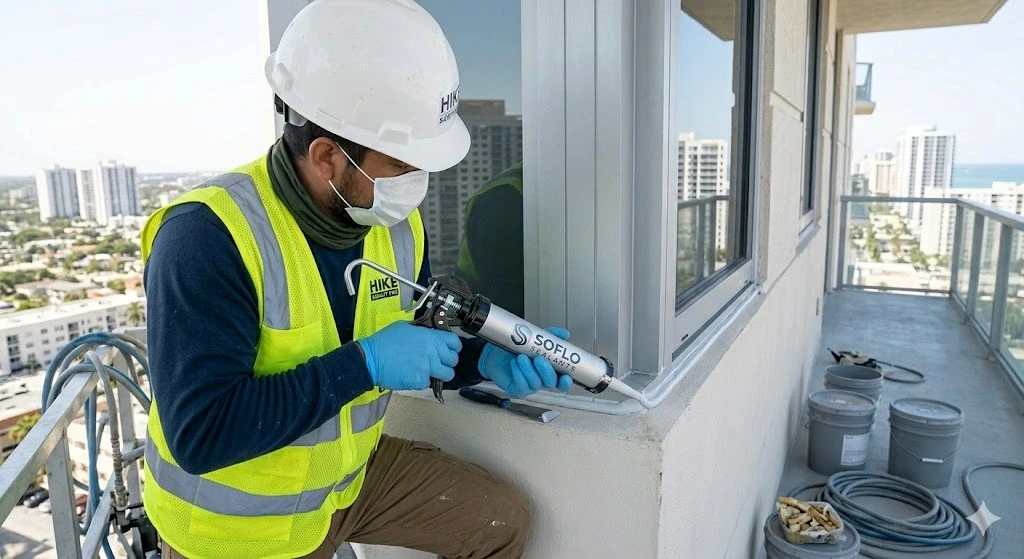 EXPANSION JOINTS
High-movement structural silicone and polyurethane joint sealants for window perimeters and wall transitions.
Explore Joint Sealants →
ROOT-RESISTANT
Root-barrier membranes, drainage boards, and internal flashing terminating soil moisture migration.
Inquire About Planters →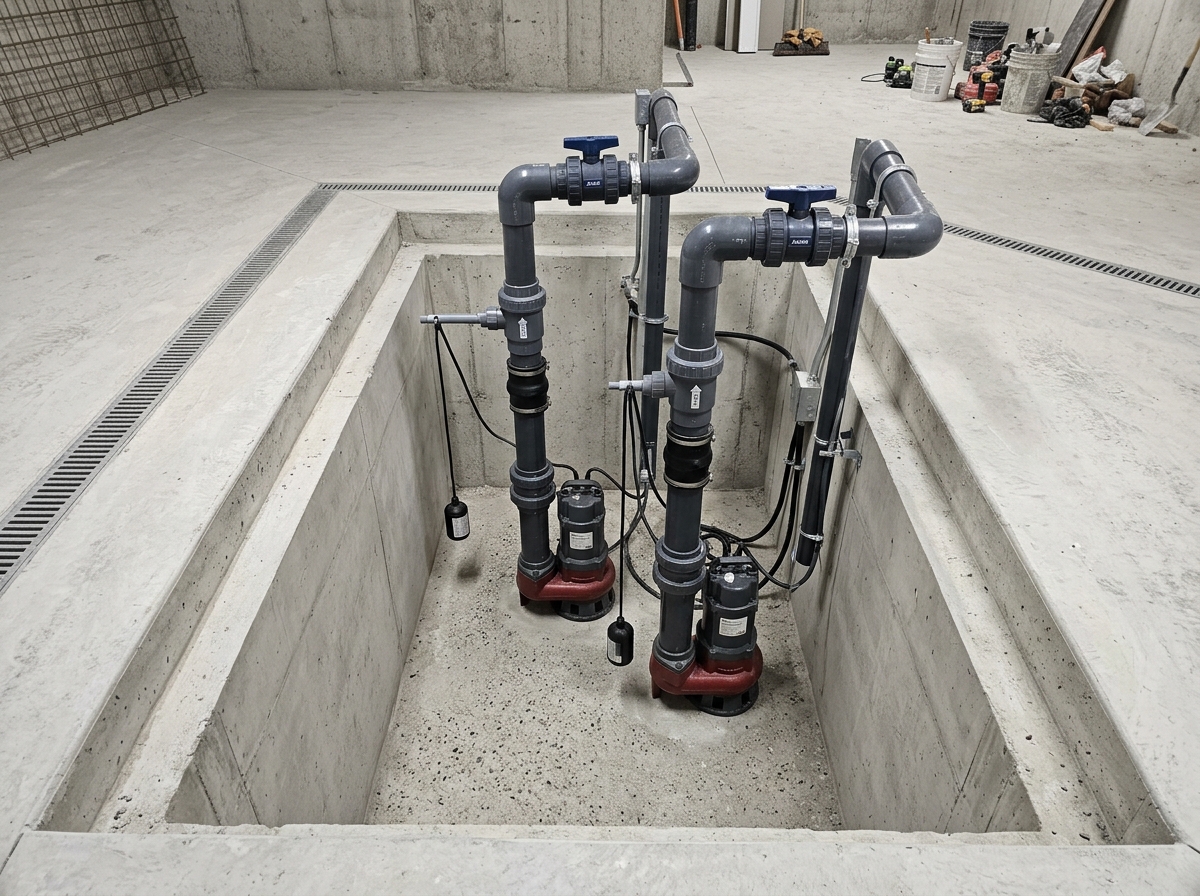 DRAINAGE RELIEF
Commercial cast-iron sump assemblies and perforated gravity drain lines protecting basement and slab levels.
Request Drainage Bid →Planter box waterproofing requires root-resistant membrane systems — a standard elastomeric deck coating is not adequate for a planted application where root penetration is a real risk. Planet Construction FL specifies crystalline waterproofing or root-resistant modified bitumen membranes for below-planter applications, with root barrier fabric installed above the membrane to provide a physical layer of protection against root penetration. A drainage mat or drainage layer is installed above the membrane to allow excess water to drain to internal drains or weep holes rather than saturating the membrane with standing water. The drainage layer is covered with filter fabric before soil is placed to prevent fine soil particles from clogging the drainage layer over time. Proper drain installation — sized for South Florida's rainfall intensity — completes the planter waterproofing assembly.
Rooftop gardens and elevated landscape features on Fort Lauderdale's condominium and commercial buildings require the same waterproofing rigor as roofing systems — because they are, functionally, planted roofs. The membrane beneath a rooftop planter must handle continuous moisture, root pressure, and the UV exposure at the planter edges that are not covered by soil. For rooftop landscape applications, Planet Construction FL installs fully adhered TPO or EPDM roof membranes beneath the landscape assembly, detailed at all edges and penetrations with the same standards applied to commercial roofing. The landscape design — plant selection, soil depth, drain locations — is coordinated with the waterproofing design to ensure the system performs as a complete assembly rather than as independent components that may conflict.
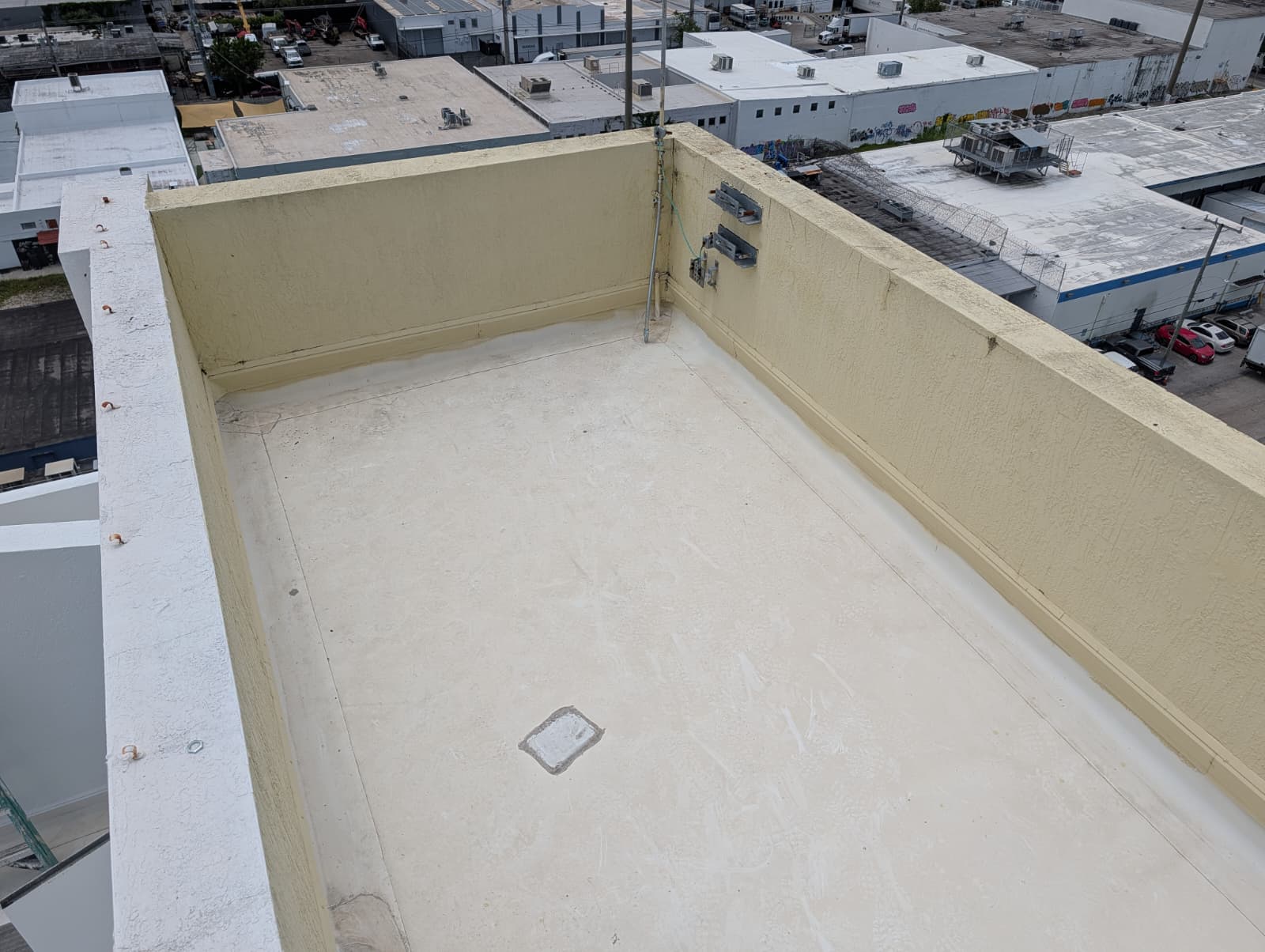
Acoustic hammer sounding for hidden delaminations, diamond grinding to CSP 3-4, and concrete crack routing.
Chipping spalls, treating corroded steel, forming perimeter cove seal fillets, and detail-flashing all drains.
Two-component epoxy moisture barrier primer penetrating concrete pores to eliminate outgassing and maximize pull-off strength.
High-build elastomeric membrane basecoat, reinforced fiber scrim, and aggregate-broadcast UV topcoat for non-slip protection.
Many Fort Lauderdale buildings have existing elevated planters that were originally constructed without adequate waterproofing — or with waterproofing that has failed after years of planted conditions. Retrofitting waterproofing beneath an existing planter requires removing the plantings, drainage layer, and soil; removing and disposing of the failed or absent original membrane; repairing the structural slab substrate; and installing a new complete waterproofing and drainage assembly before replanting. This process is disruptive but necessary — surface-applied waterproofing treatments applied without removing the planting soil are not effective for the continuous moisture exposure and root pressure that planted conditions create. Planet Construction FL provides complete planter retrofit waterproofing including coordination with landscape contractors for planting restoration.
Phased construction logistics, resident notices, reserve study alignment, and direct engineer of record milestone recertification sign-offs.
Engineering-compliant high-performance traffic membranes, structural joint sealants, and building envelope moisture defenses across Broward and Palm Beach counties.
Multi-layer polyurethane pedestrian traffic membrane, cove perimeter detailing, and non-slip wear course over 48 residential units.
Shot-blast surface profiling, heavy vehicular urethane membrane application, and reflective stall restriping over 4 levels.
Post-tension cable pocket sealing, railing post embedment waterproofing, and fluid PMMA elastomeric deck coating.
Direct answers on membrane longevity, inspection protocols, resident coordination, and warranty coverage across South Florida.
Water staining or active leaking on the ceiling of the space directly below the planter after irrigation or rain events is the clearest sign. Efflorescence (white mineral deposits) on the soffit below the planter indicates water is moving through the slab. Persistent mold odors in the space below an elevated planter suggest chronic moisture infiltration. Any of these signs warrants an immediate planter waterproofing assessment before further irrigation or rainfall adds to the damage.
Typically, no — accessing and replacing the waterproofing membrane beneath an existing planter requires removing all plantings, soil, and drainage materials. We coordinate with the property owner on plant removal and temporary storage where plants are worth preserving, and with landscape contractors on replanting after waterproofing installation is complete.
Plant selection for elevated planters over waterproofed slabs should favor shallow-rooted species rather than deep-tap-root trees and aggressive root-spreading plants. South Florida's palms, ornamental shrubs, and ground covers are generally suitable. Large trees with aggressive root systems — ficus, oak, mahogany — are not appropriate for elevated planter applications regardless of waterproofing system quality. We advise on plant selection as part of our planter waterproofing scope where desired.
Root-resistant modified bitumen or crystalline waterproofing systems beneath properly drained planters last 20–30 years in South Florida conditions. The drainage system is the critical maintenance item — blocked drains that allow water to pond above the membrane significantly accelerate membrane stress. Annual inspection of planter drains and weep holes and prompt clearing of blockages is the most important maintenance practice for long planter waterproofing service life.
Request a comprehensive moisture diagnostic, membrane pull-off test, or turnkey board proposal. We provide detailed line-item bids backed by dual state contractor licenses.