 PEDESTRIAN TRAFFIC
BALCONY MEMBRANES
Balconies & Elevated Decks
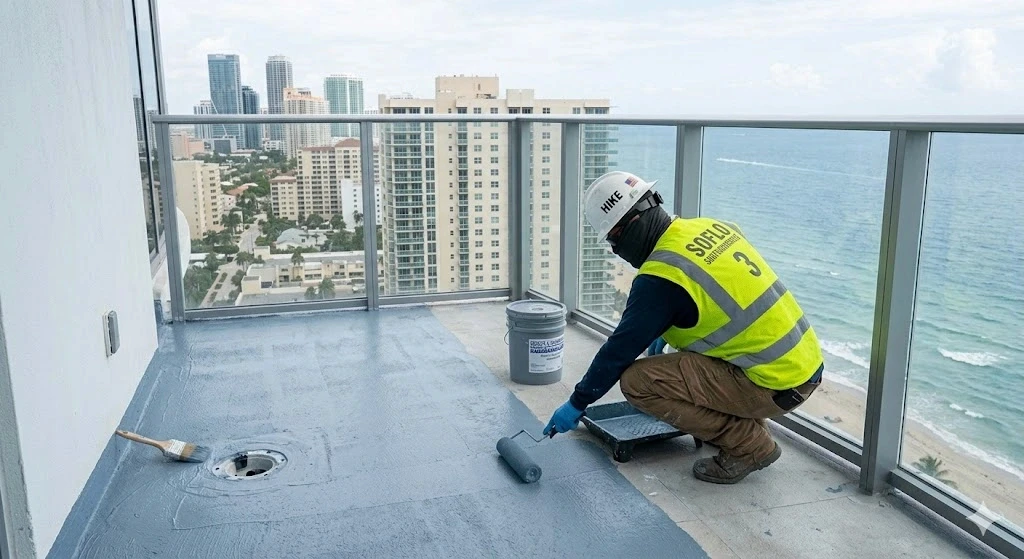
Multi-layer polyurethane traffic membranes with perimeter cant strips and code-approved drip flashing.
Request Detailed Quote →Pool decks, surrounds, and adjacent structures face constant moisture, chlorine, and sun. We waterproof pool areas with systems built for the harshest conditions on the property.
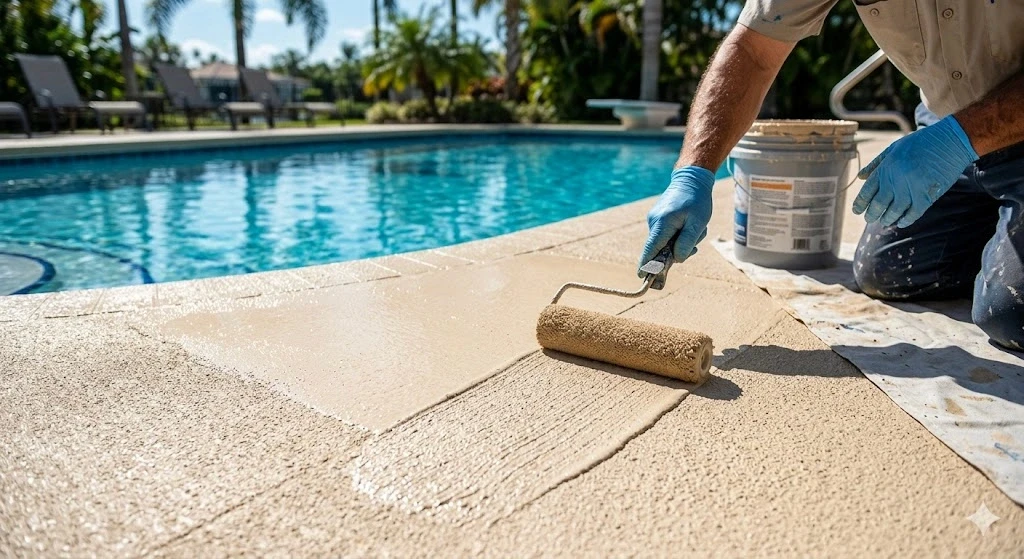
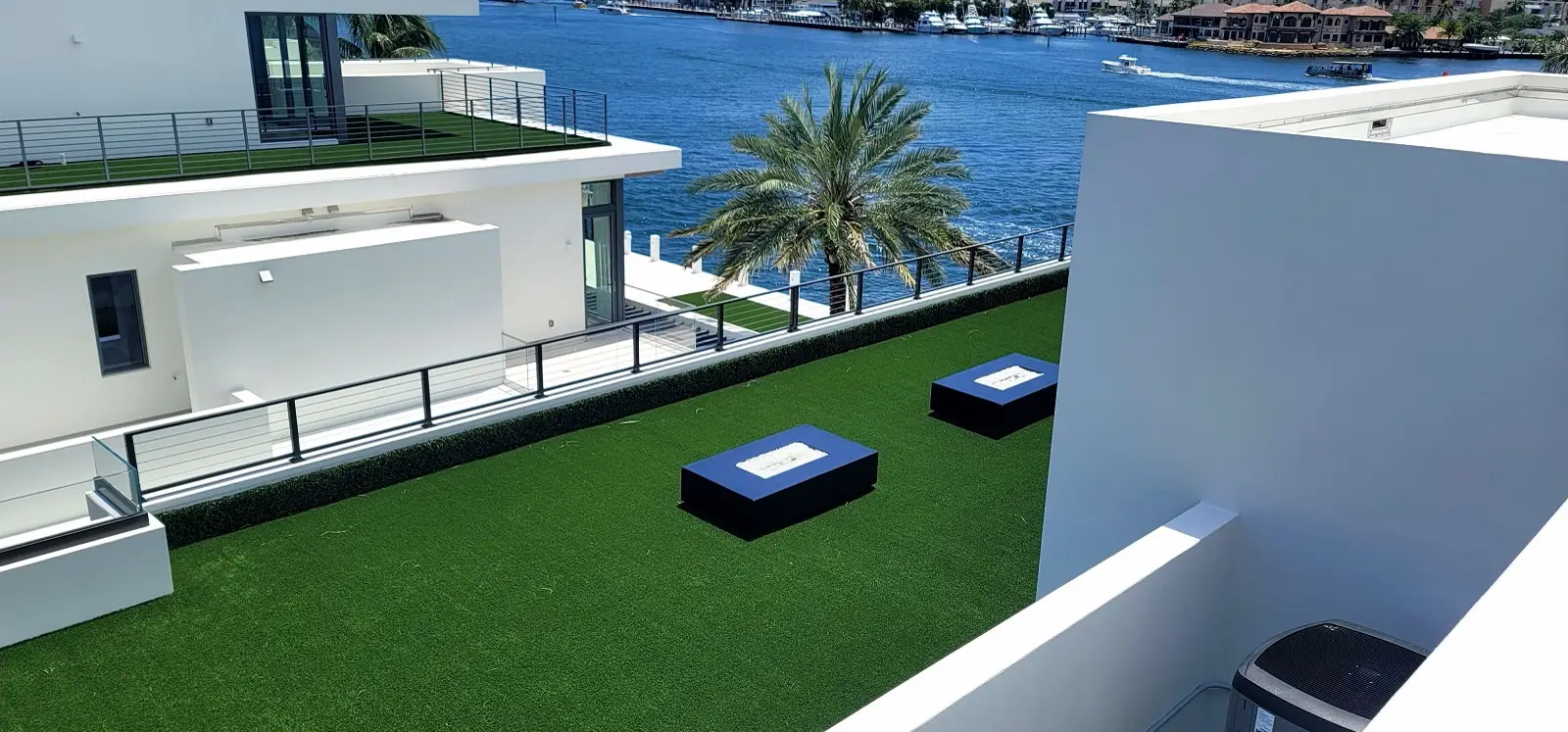
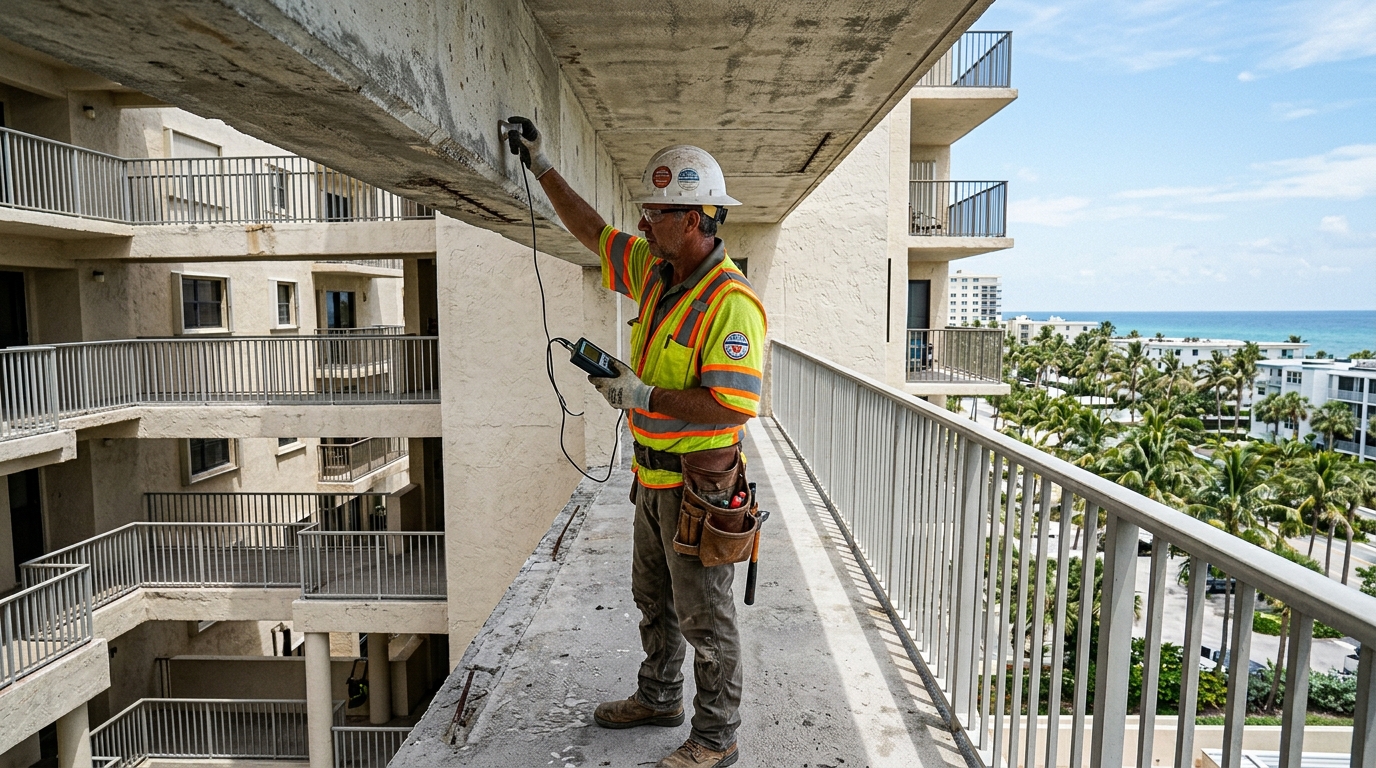
Pool area waterproofing in Fort Lauderdale addresses one of the most chemically aggressive and moisture-intensive environments on any property — the concrete and masonry surfaces surrounding, supporting, and connecting to a swimming pool. South Florida's pool culture means Fort Lauderdale properties keep their pools in active year-round use, creating continuous chemical exposure, daily wet-dry cycling, and UV loading on every surface in the pool area. Without proper waterproofing, pool decks, equipment pads, and surrounding structures deteriorate rapidly. At Planet Construction FL, we protect pool areas with systems formulated to perform in the chlorine, salt, UV, and moisture conditions that define South Florida pool environments.
Cold fluid-applied and PMMA systems cure seamlessly, eliminating lap-joint water entry points.
Diamond grinding and shot-blasting achieve ICRI CSP 3-4 anchor profiles for high-strength chemical bonding.
Single-source responsibility combining General Contractor (CGC1517295) and Roofing Contractor (CCC1329271) licenses.
The area around a pool is one of the most demanding waterproofing environments on any property — constant splash, chlorine, UV, foot traffic, and humidity all work to break down standard coatings within a year or two. Once the waterproofing fails, water reaches the slab, the rebar, and the structures around the pool, leading to spalling, cracks, and damage that's expensive to fix.
We use waterproofing systems engineered specifically for pool environments — chlorine-resistant coatings, UV-stable topcoats, slip-resistant textures, and proper sealing at all transitions and penetrations. Every install starts with substrate repair and prep, because nothing waterproofs well over a damaged surface. The result is a pool area that stays sealed for years.
Fort Lauderdale's pool areas present several distinct waterproofing challenges that standard construction products don't adequately address. Pool water — whether fresh chlorinated water or salt water — is chemically aggressive to concrete surfaces and many coating materials. Chlorine attacks the polymer binders in standard acrylic sealers, causing premature failure. Salt water systems create additional corrosion risk to any embedded metal in the pool structure and surrounding concrete. The continuous wet-dry cycling from pool splash, rain, and South Florida's daily afternoon storms subjects pool deck surfaces to intense repeated moisture loading. UV radiation at South Florida's latitude degrades polymer-based coatings faster than in other climates. And the thermal cycling from 180°F concrete surface temperatures under the midday summer sun to rapid cooling during afternoon storms creates expansion and contraction stresses that challenge every joint and surface application.
PEDESTRIAN TRAFFIC
Multi-layer polyurethane traffic membranes with perimeter cant strips and code-approved drip flashing.
Request Detailed Quote →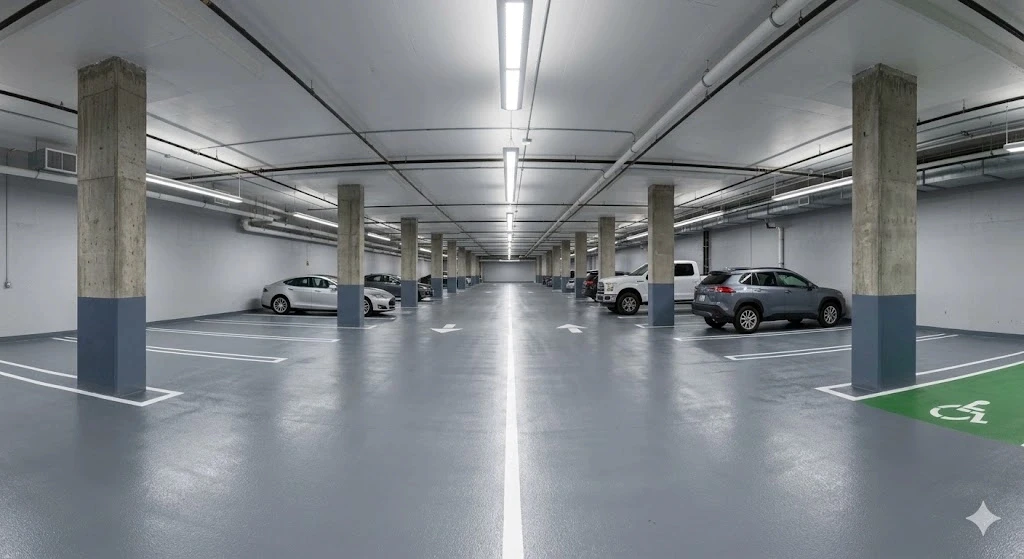 VEHICULAR TRAFFIC
Heavy-duty aggregate-filled elastomeric urethane systems resisting vehicular abrasion and chloride penetration.
View Garage Systems →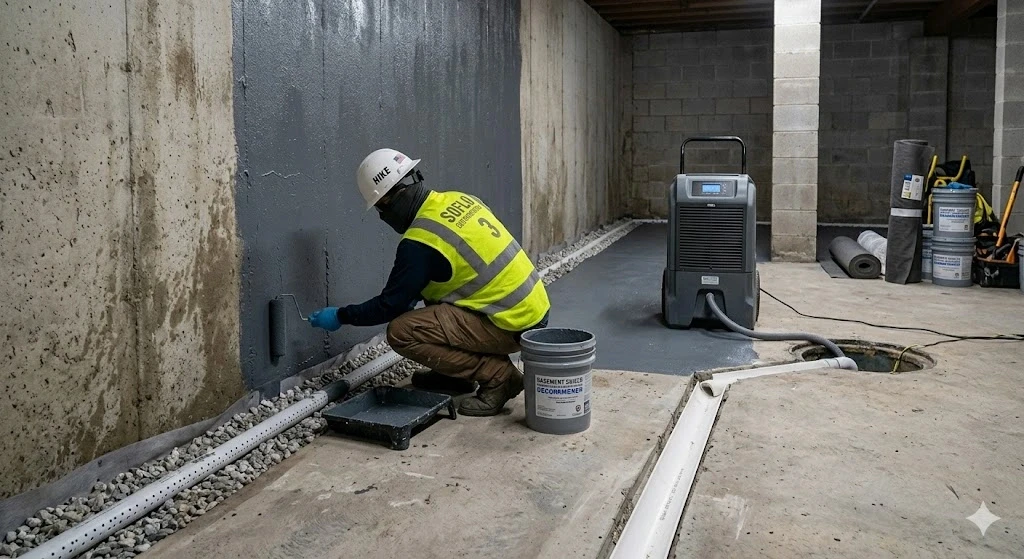 SUBTERRANEAN
Hydrostatic pressure barriers, bentonite sheets, and crystalline injection halting water table infiltration.
Inquire About Foundation →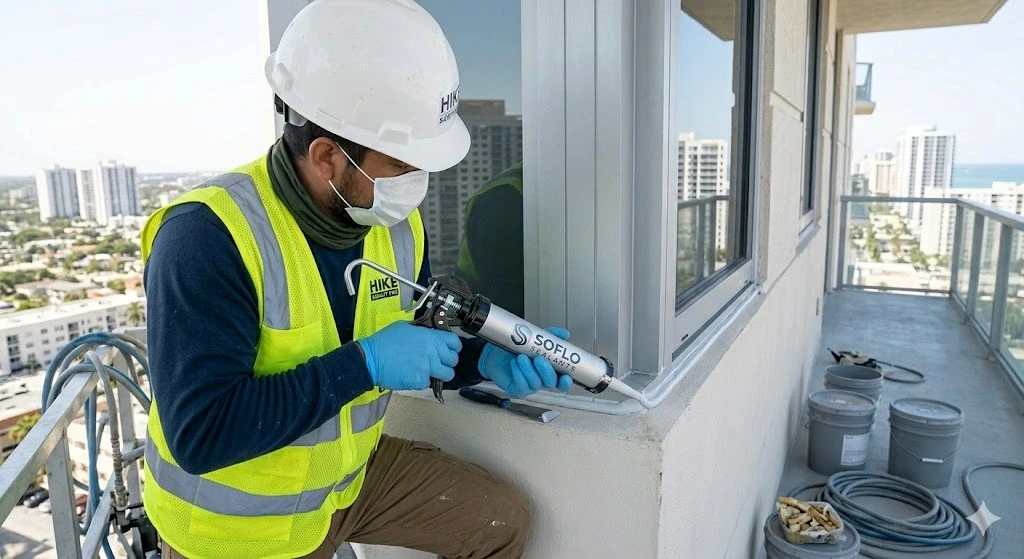 EXPANSION JOINTS
High-movement structural silicone and polyurethane joint sealants for window perimeters and wall transitions.
Explore Joint Sealants →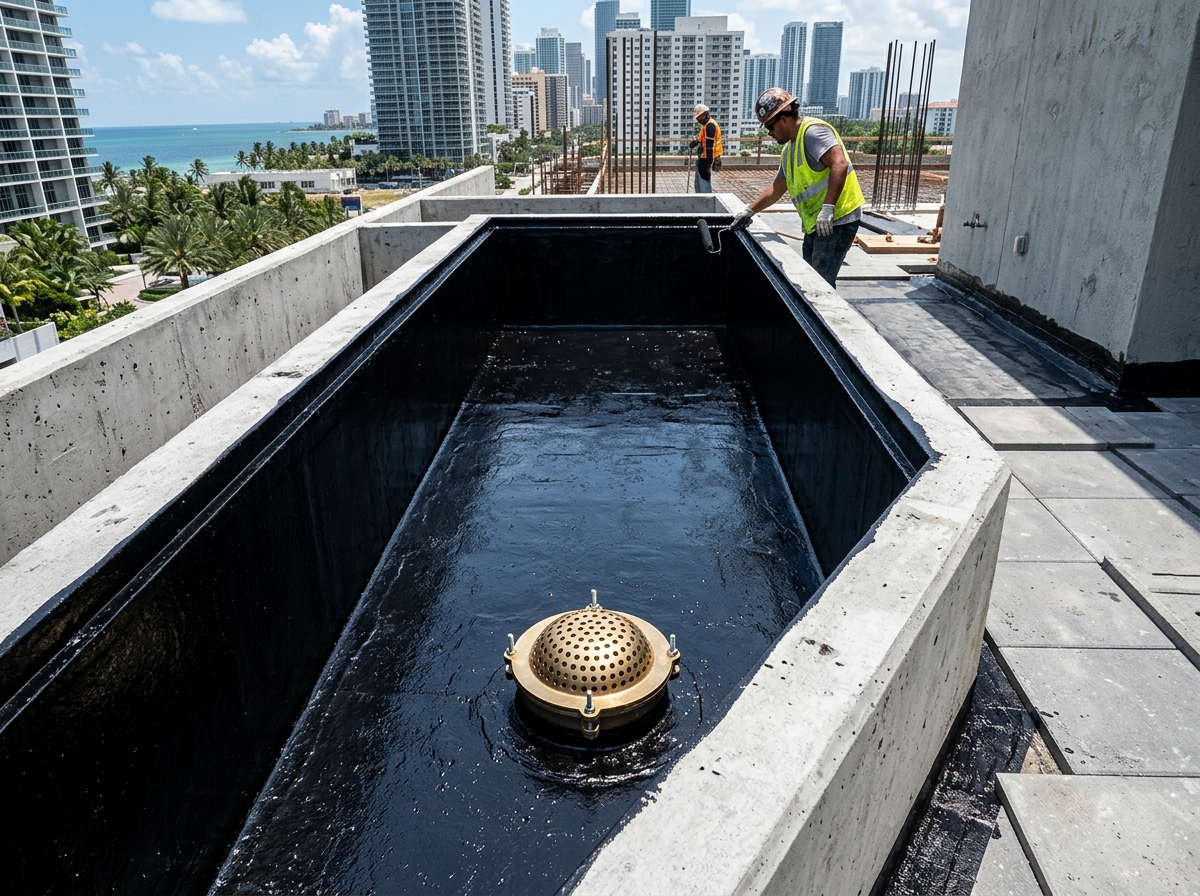 ROOT-RESISTANT
Root-barrier membranes, drainage boards, and internal flashing terminating soil moisture migration.
Inquire About Planters →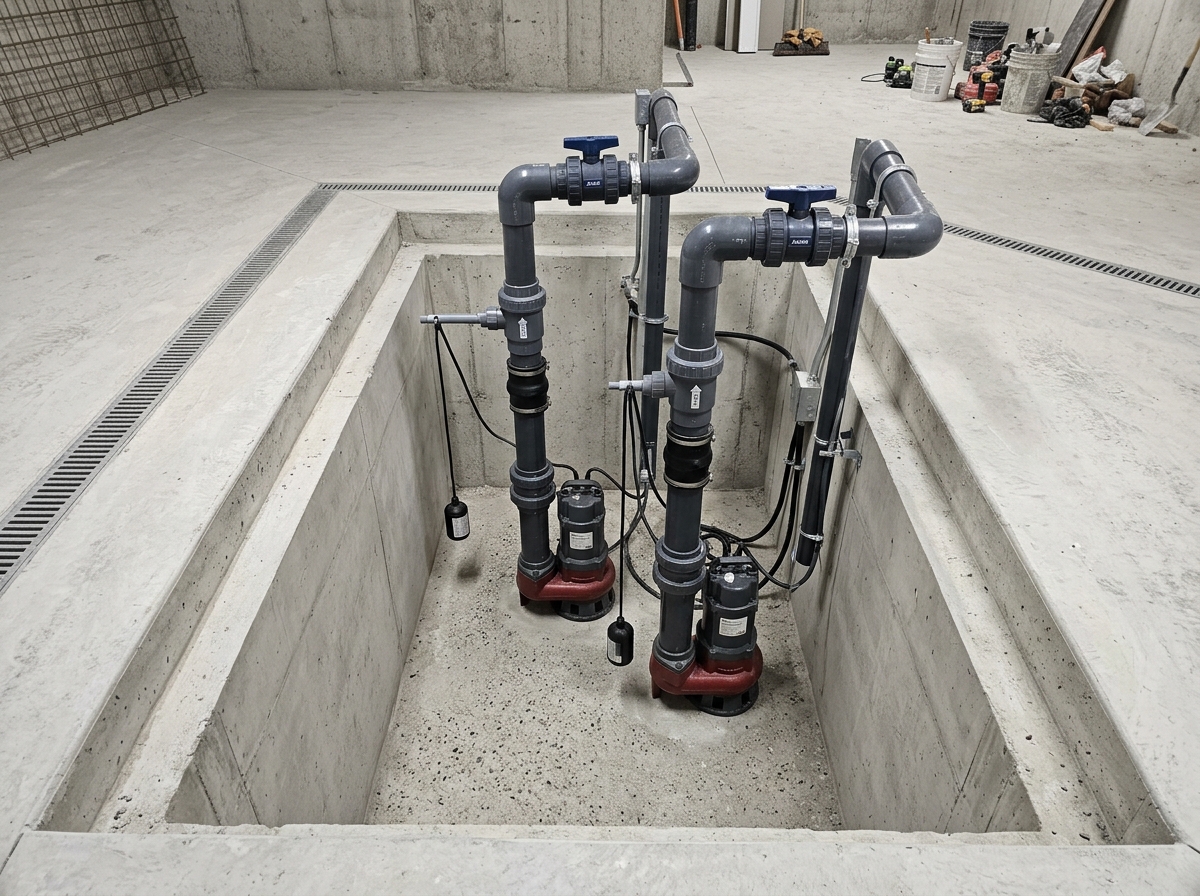 DRAINAGE RELIEF
Commercial cast-iron sump assemblies and perforated gravity drain lines protecting basement and slab levels.
Request Drainage Bid →Pool deck waterproofing in Fort Lauderdale requires UV-stable, chemically resistant, slip-resistant systems appropriate for the specific deck material and its relationship to the pool. Concrete pool decks receive penetrating silane sealers that reduce chloride absorption and surface erosion without altering the concrete's appearance, or acrylic or polyurethane film-forming sealers that provide a protective surface layer with defined slip resistance. For pool decks over occupied or enclosed space — rooftop pool decks on condominium buildings, elevated pool areas over parking — full waterproofing membrane systems are required to prevent water infiltration into the structure below. Planet Construction FL specifies pool deck waterproofing products with demonstrated chemical resistance to pool water chemistry — not standard deck coatings applied to a pool environment and likely to fail prematurely under chlorine exposure.
Pool mechanical areas — the pads, walls, and floors housing pool pumps, filters, heaters, and chemical storage — are exposed to concentrated chemical contact that exceeds anything the pool deck surface experiences. Chemical spills, backwash discharge, and the perpetual moisture from equipment operation create highly aggressive conditions for concrete and masonry. Planet Construction FL waterproofes pool equipment pads and mechanical areas with chemical-resistant coatings — typically epoxy or polyurethane systems with acid and alkali resistance — that protect the concrete substrate from degradation and make cleanup of chemical spills straightforward. Containment curbs around chemical storage areas are sealed or coated to prevent chemical migration to adjacent surfaces and drainage systems.
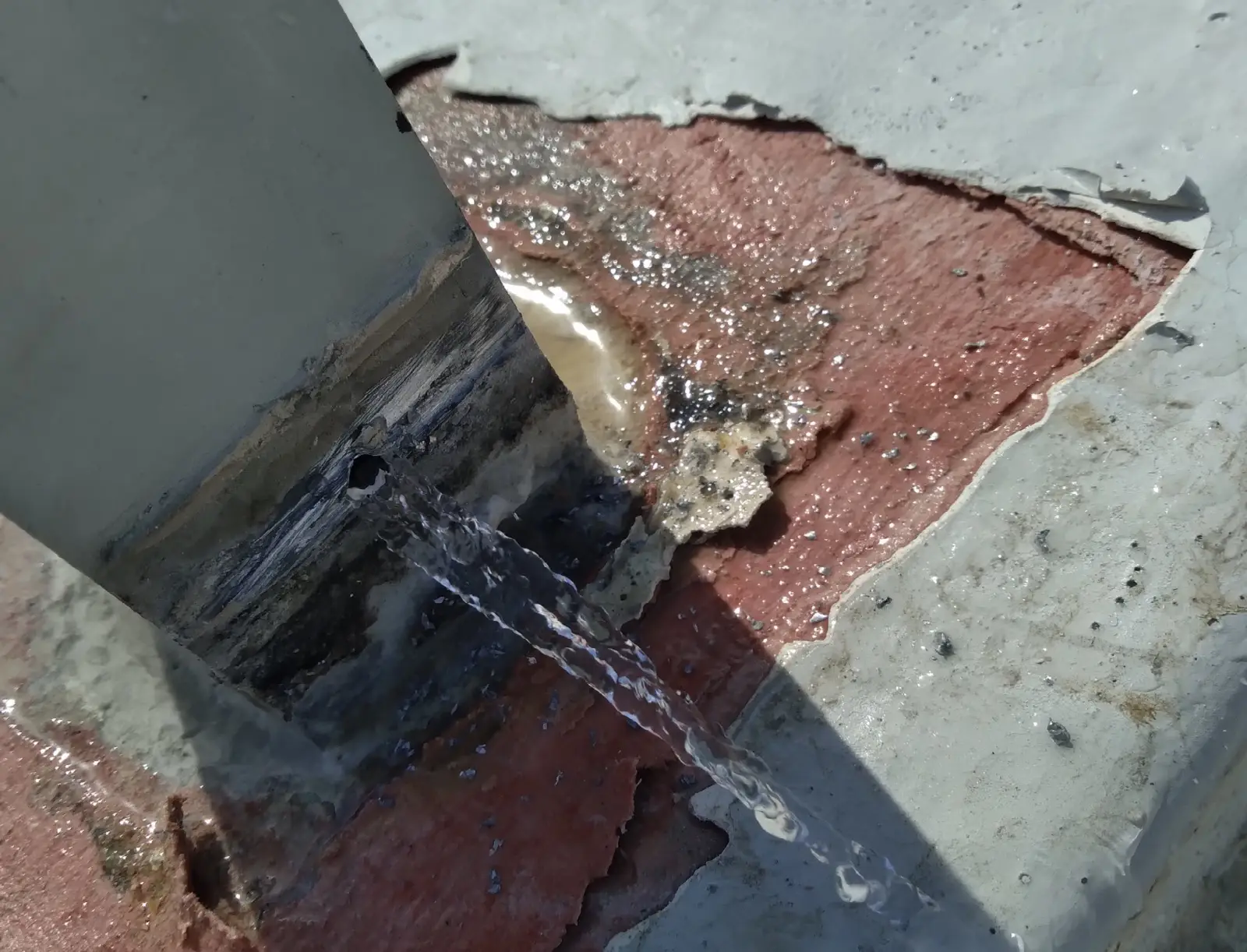
Acoustic hammer sounding for hidden delaminations, diamond grinding to CSP 3-4, and concrete crack routing.
Chipping spalls, treating corroded steel, forming perimeter cove seal fillets, and detail-flashing all drains.
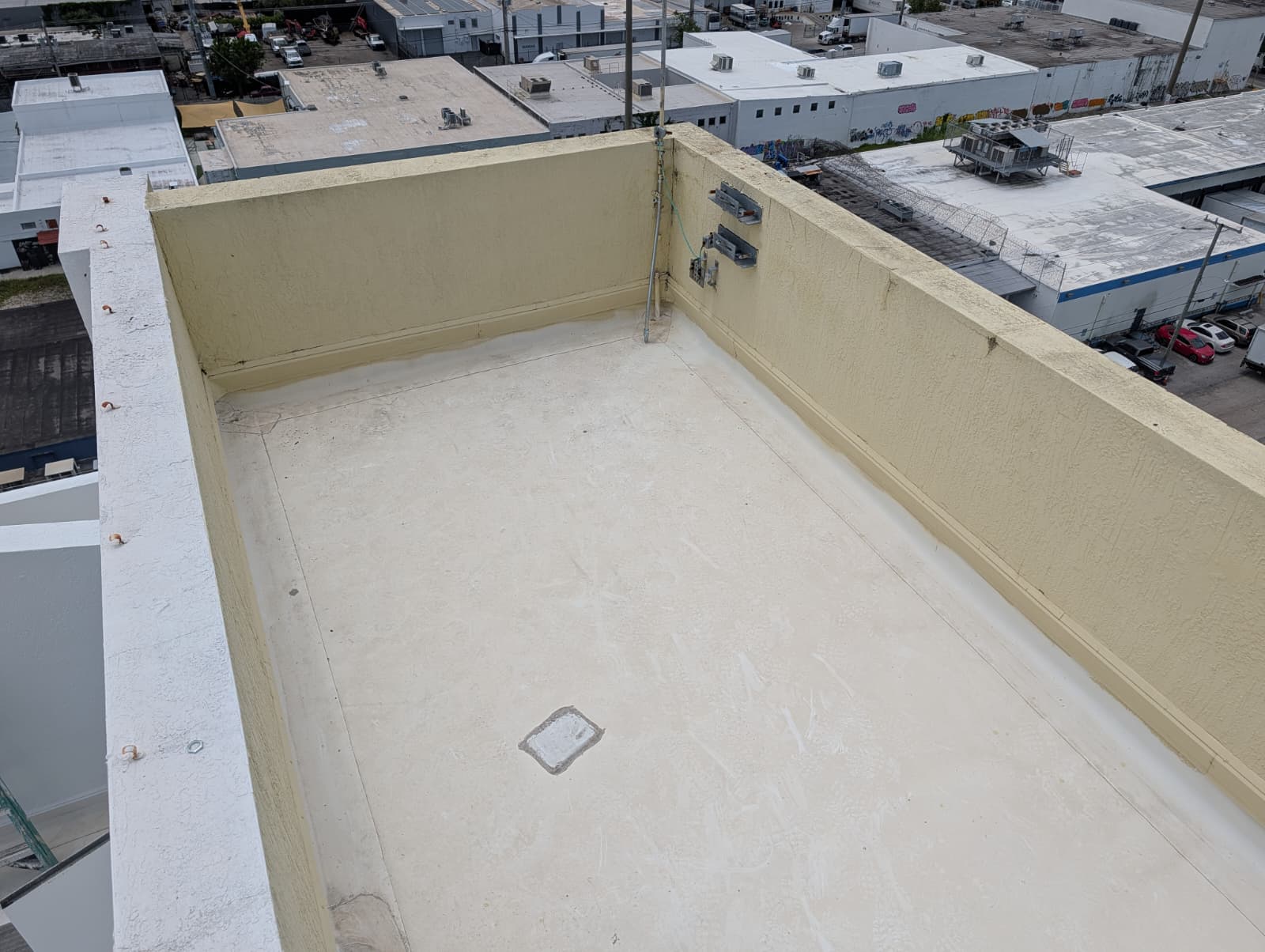
Two-component epoxy moisture barrier primer penetrating concrete pores to eliminate outgassing and maximize pull-off strength.
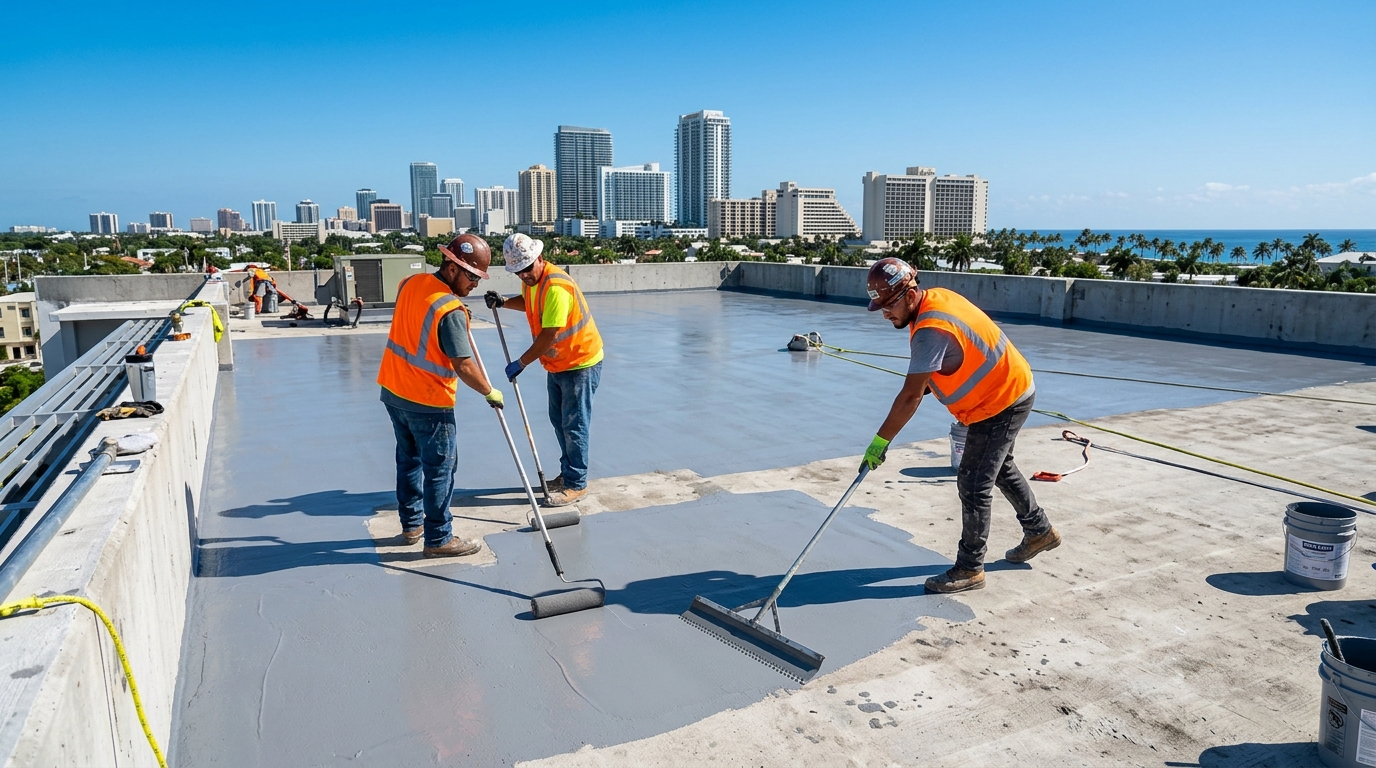
High-build elastomeric membrane basecoat, reinforced fiber scrim, and aggregate-broadcast UV topcoat for non-slip protection.
The pool coping — the cap material at the pool's edge — and the joint between the coping and the pool deck is one of the most vulnerable waterproofing locations in the pool area. Water infiltrating behind the coping reaches the pool's structural shell and the deck substrate below. In Fort Lauderdale's thermal environment, coping joints expand and contract significantly between day and night temperatures, fatiguing sealants rapidly. Planet Construction FL replaces pool coping joint sealants with products specifically rated for continuous water contact and pool chemical exposure — a more demanding specification than standard joint sealant products can meet. Where coping is cracked or displaced, we repair and reset before resealing to produce a tight, durable joint that performs in South Florida's pool environment.
Phased construction logistics, resident notices, reserve study alignment, and direct engineer of record milestone recertification sign-offs.
Engineering-compliant high-performance traffic membranes, structural joint sealants, and building envelope moisture defenses across Broward and Palm Beach counties.
Multi-layer polyurethane pedestrian traffic membrane, cove perimeter detailing, and non-slip wear course over 48 residential units.
Shot-blast surface profiling, heavy vehicular urethane membrane application, and reflective stall restriping over 4 levels.
Post-tension cable pocket sealing, railing post embedment waterproofing, and fluid PMMA elastomeric deck coating.
Direct answers on membrane longevity, inspection protocols, resident coordination, and warranty coverage across South Florida.
South Florida's UV and pool chemical exposure means pool deck sealers require more frequent renewal than standard exterior sealers. Penetrating sealers on pool decks typically last 3–5 years before reapplication is needed. Film-forming acrylic or polyurethane sealers last 4–7 years. Pool coping joint sealants should be inspected every 3 years and replaced every 5–8 years. Annual inspection of the pool area surfaces — checking for water beading, sealer integrity, and joint condition — is the best maintenance practice.
Deck sealing and coating work can be done while the pool remains filled, provided the work zone is adequately buffered from the pool edge and coating products with low splash risk to the pool water are selected. Pool coping joint resealing requires the pool water level to be lowered below the coping for proper joint preparation and sealant application. We plan pool area waterproofing work to minimize pool out-of-service time and coordinate the schedule with the property owner or pool operator.
Persistent surface wetness beyond normal post-splash drying can indicate that the pool deck surface has lost its sealant protection and is absorbing rather than shedding water. It can also indicate inadequate drainage slope causing water to pond rather than run off. Planet Construction FL's pool area assessments evaluate both the surface waterproofing condition and the drainage design to identify the correct solution for persistent wet deck conditions.
Interior pool shell waterproofing — plaster, pebble finish, tile, or fiberglass — is a specialized pool restoration scope separate from our concrete and building waterproofing services. Planet Construction FL focuses on the surrounding deck, coping, mechanical areas, and building structures adjacent to the pool. We can refer pool shell restoration to experienced pool restoration contractors where that scope is needed alongside our exterior work.
Request a comprehensive moisture diagnostic, membrane pull-off test, or turnkey board proposal. We provide detailed line-item bids backed by dual state contractor licenses.