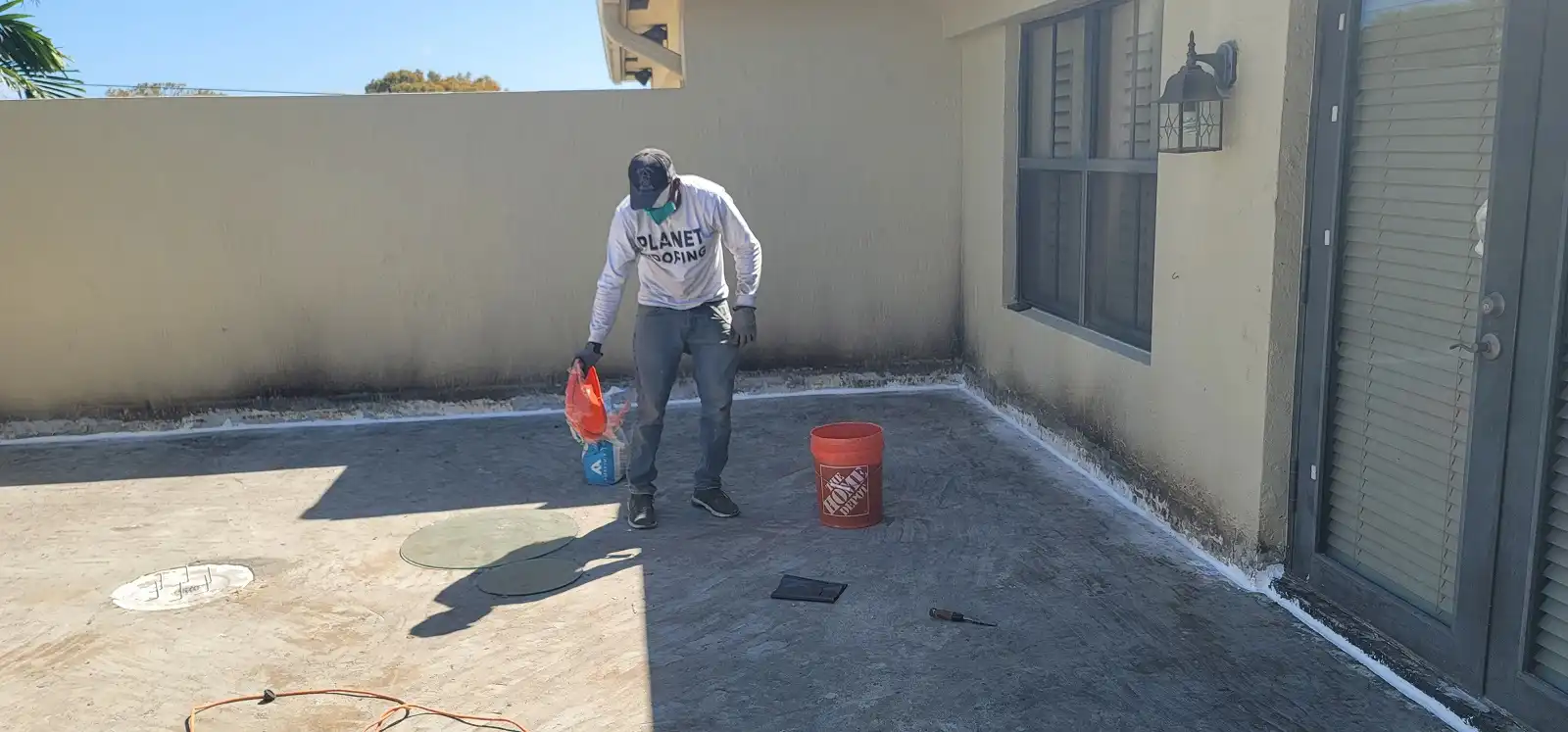
RIGOROUS 5-PHASE PROTOCOL
Causes of Ceiling Spalling in South Florida
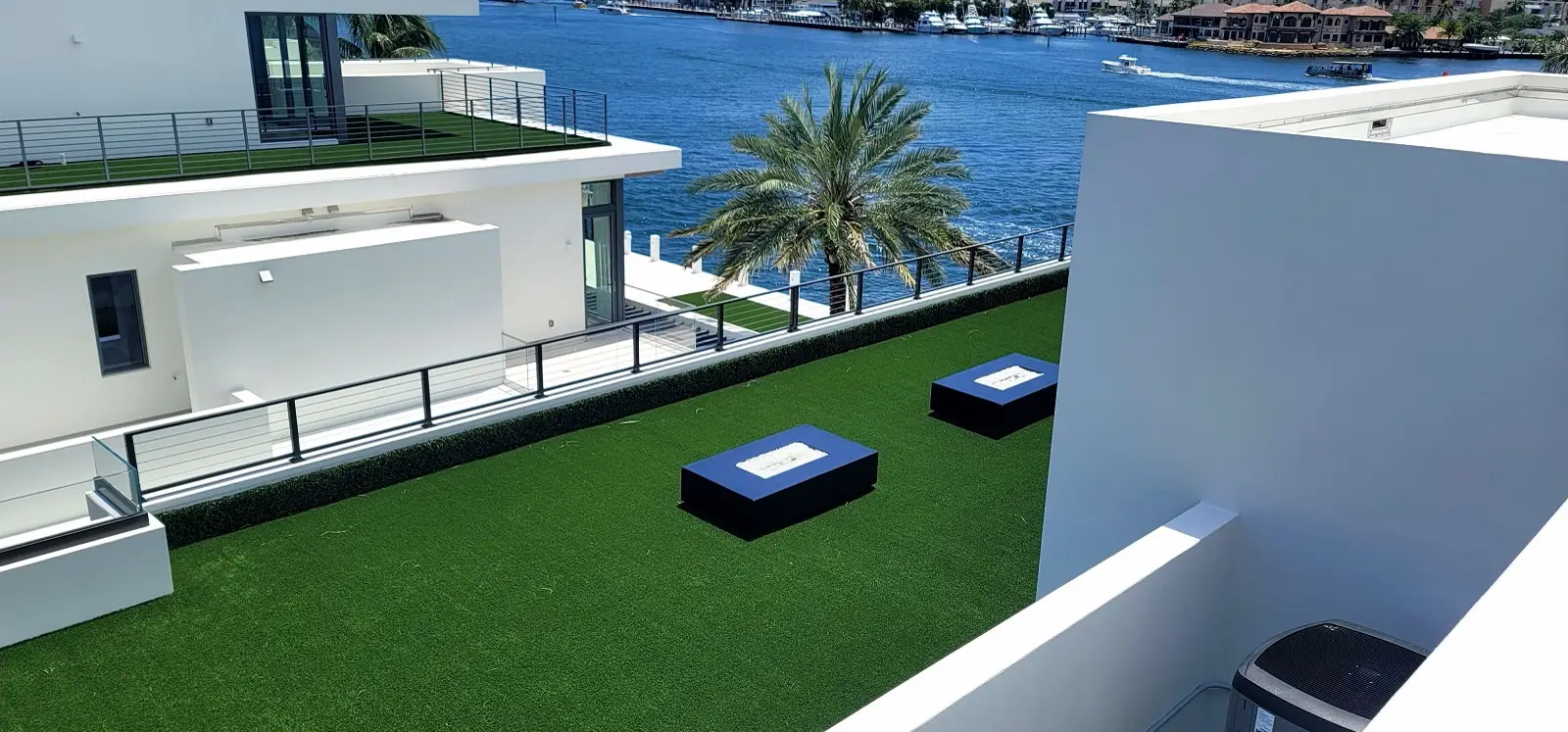
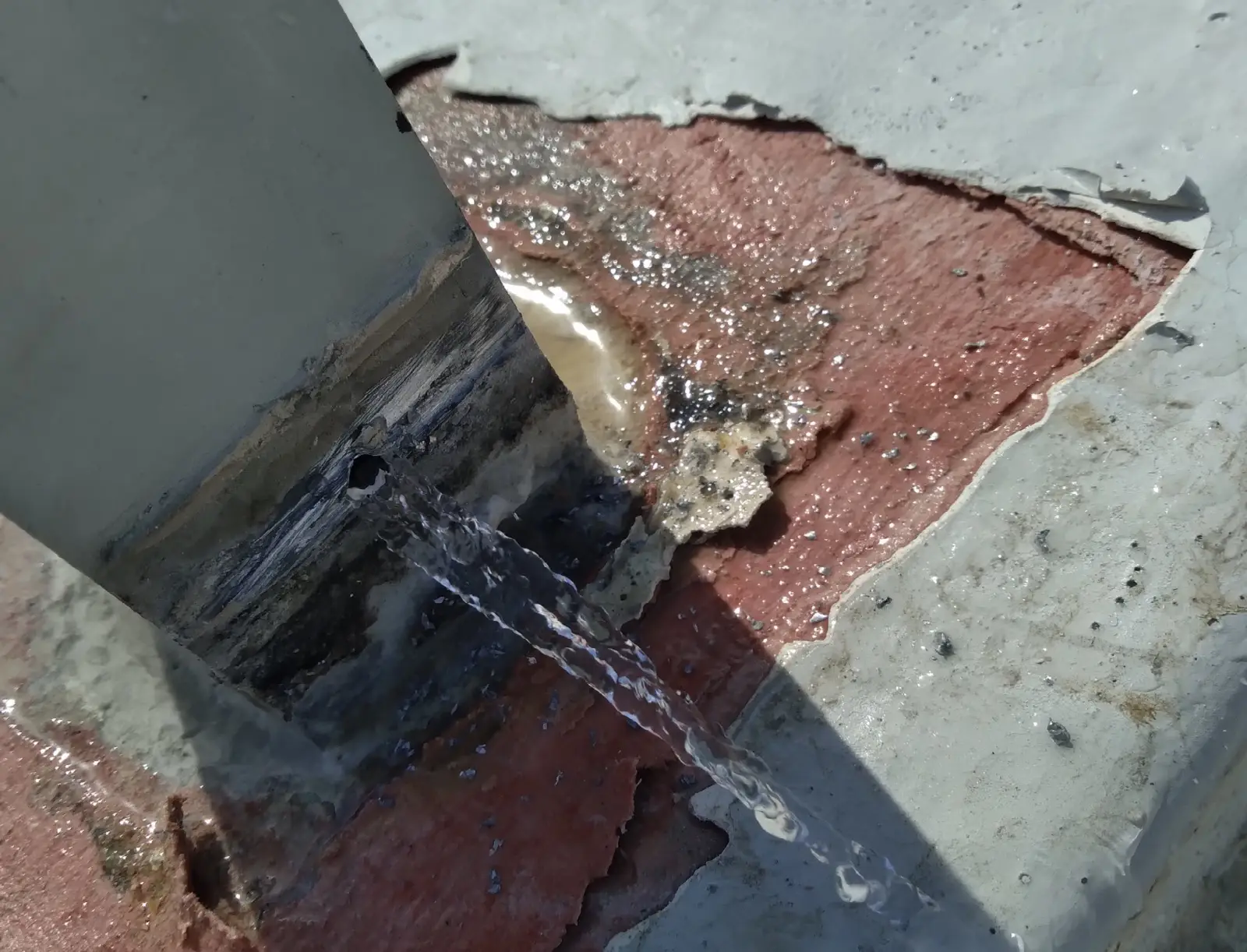
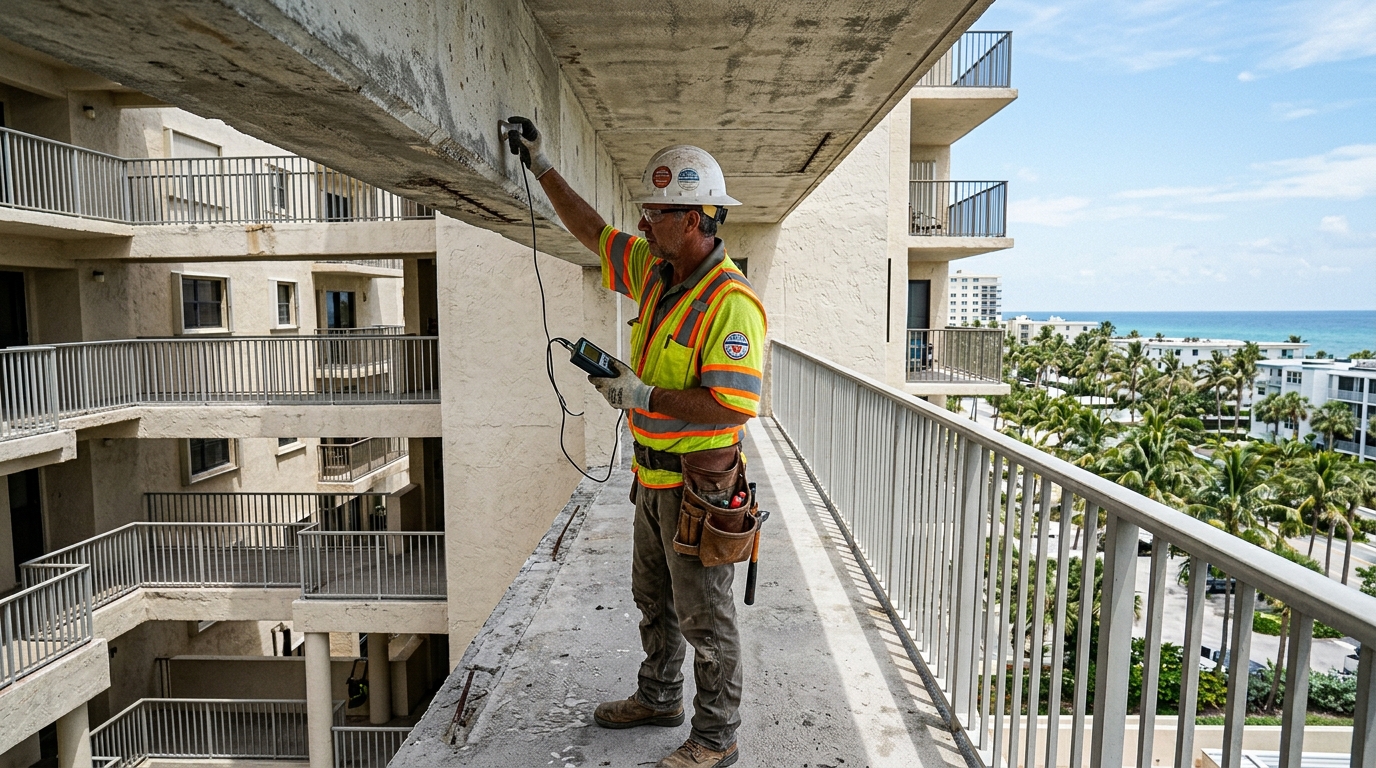
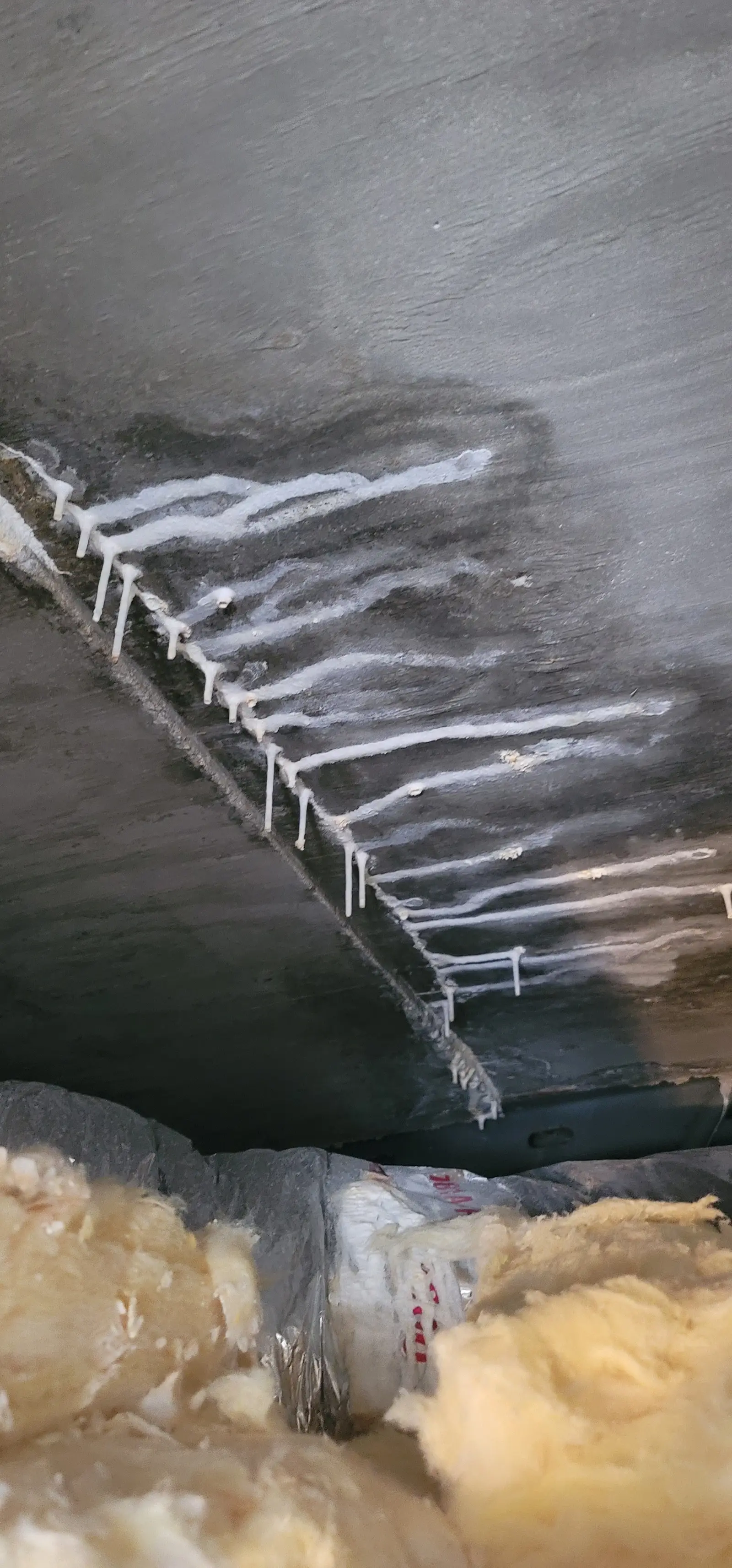
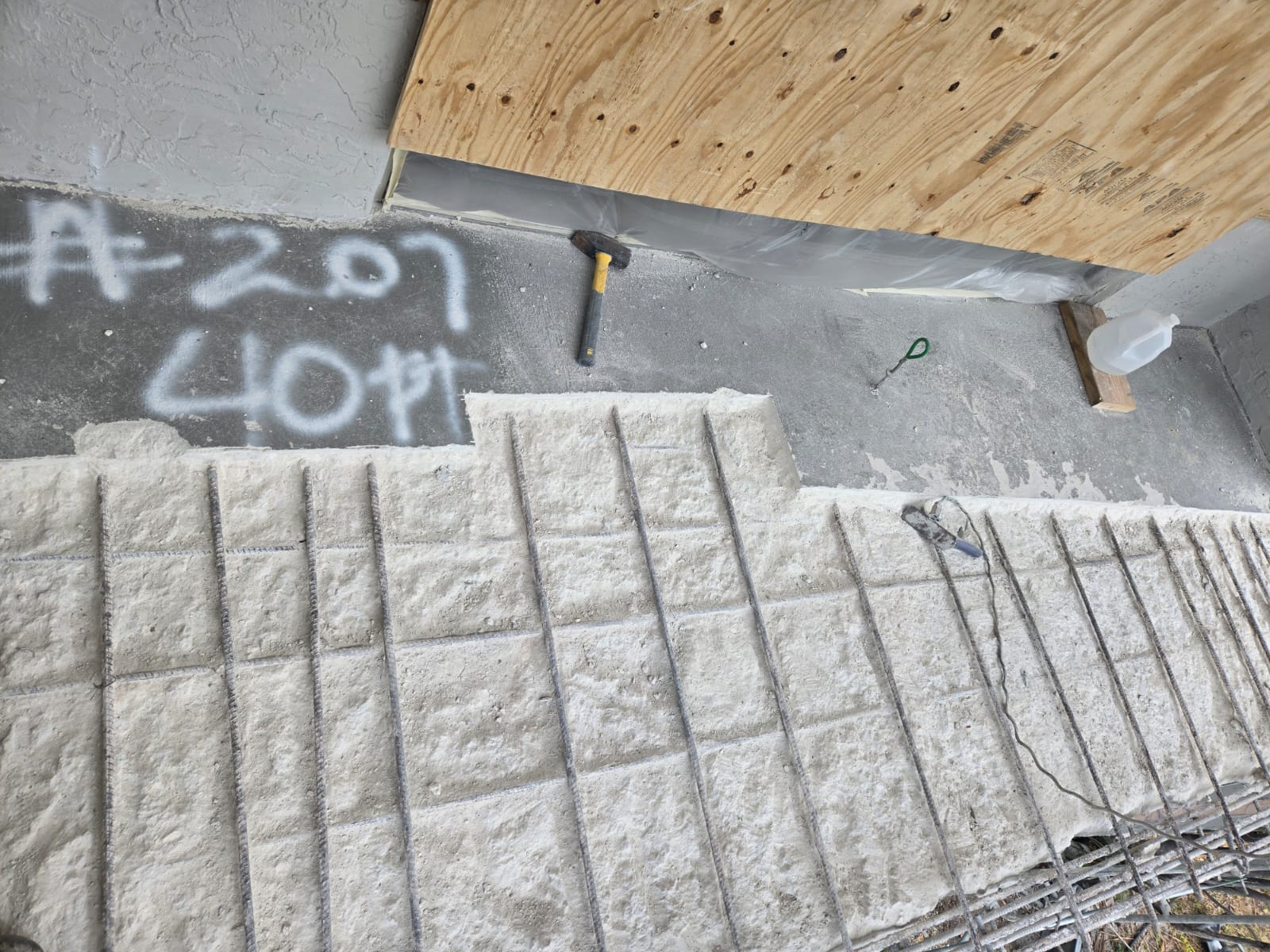
South Florida's coastal environment is the primary accelerant of ceiling spall conditions. Salt air infiltrates concrete and attacks embedded rebar with chloride-induced corrosion — a chemical process that is faster and more aggressive in Fort Lauderdale's humidity and heat than in most other climates. Water infiltration from above — through failed deck waterproofing, roof leaks, or plumbing failures — saturates the concrete slab and dramatically accelerates the corrosion cycle. Buildings constructed in the 1970s and 1980s with thinner concrete cover over rebar than modern code requires are particularly vulnerable. Many spall conditions have been developing quietly for 10–20 years before the first visible concrete separation occurs.

 SPECIALIZED DIVISION