STRUCTURAL CONCRETE • DIV 03 FL CGC1517295 • CCC1329271

Concrete Crack Repair in Fort Lauderdale, FL

Not every crack is cosmetic — and not every crack needs the same fix. We assess severity, choose the right method, and seal cracks against water and movement.

ICRI 310.1R Protocol 360° Rebar Undercut
Hydraulic Shoring Certified Axial Transfer
100% In-House Crews Zero Subcontracting
Structural Concrete Crack Repair & Micro-Fissure Sealing
FL STATE LICENSED
CGC1517295 • CCC1329271
>6,500 PSI
Polymer Mortar
3/4" Min
Rebar Clearance
100%
Monolithic Bond
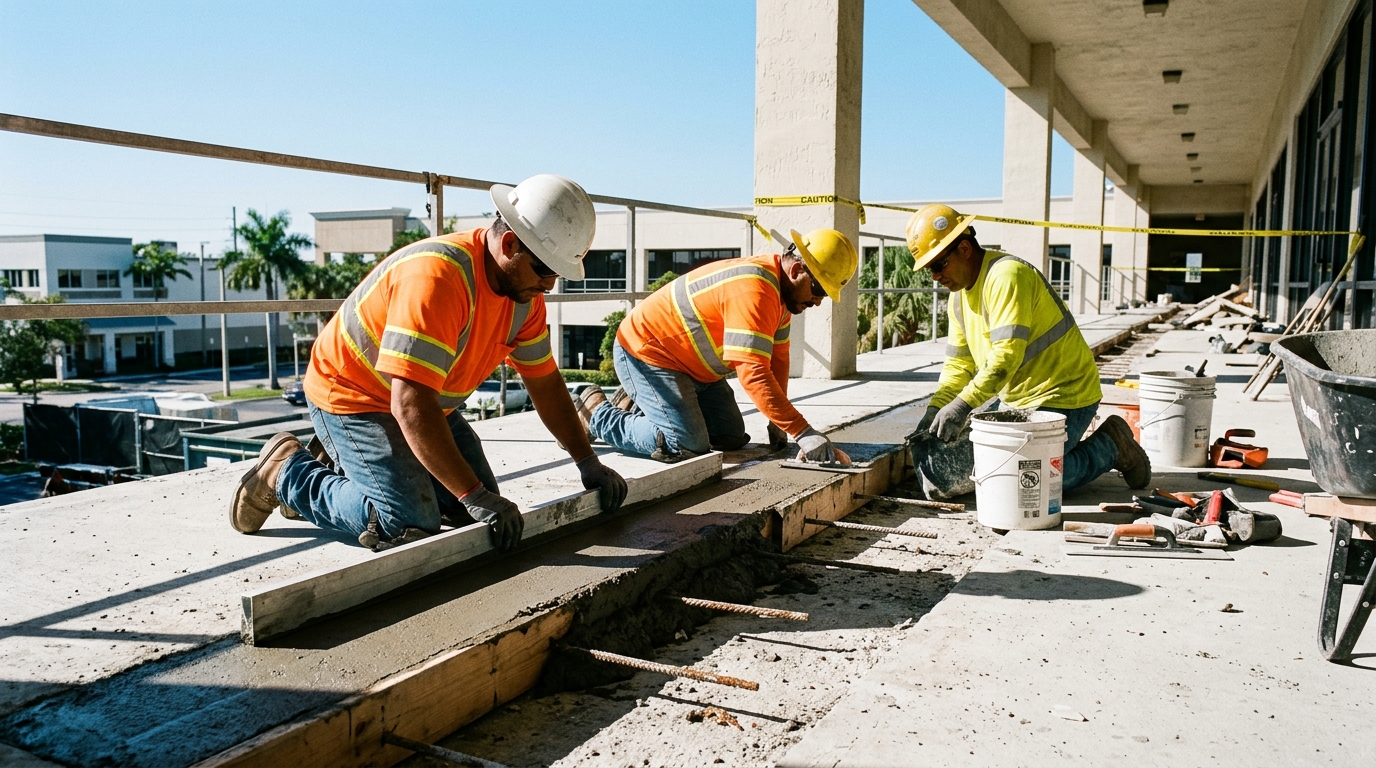
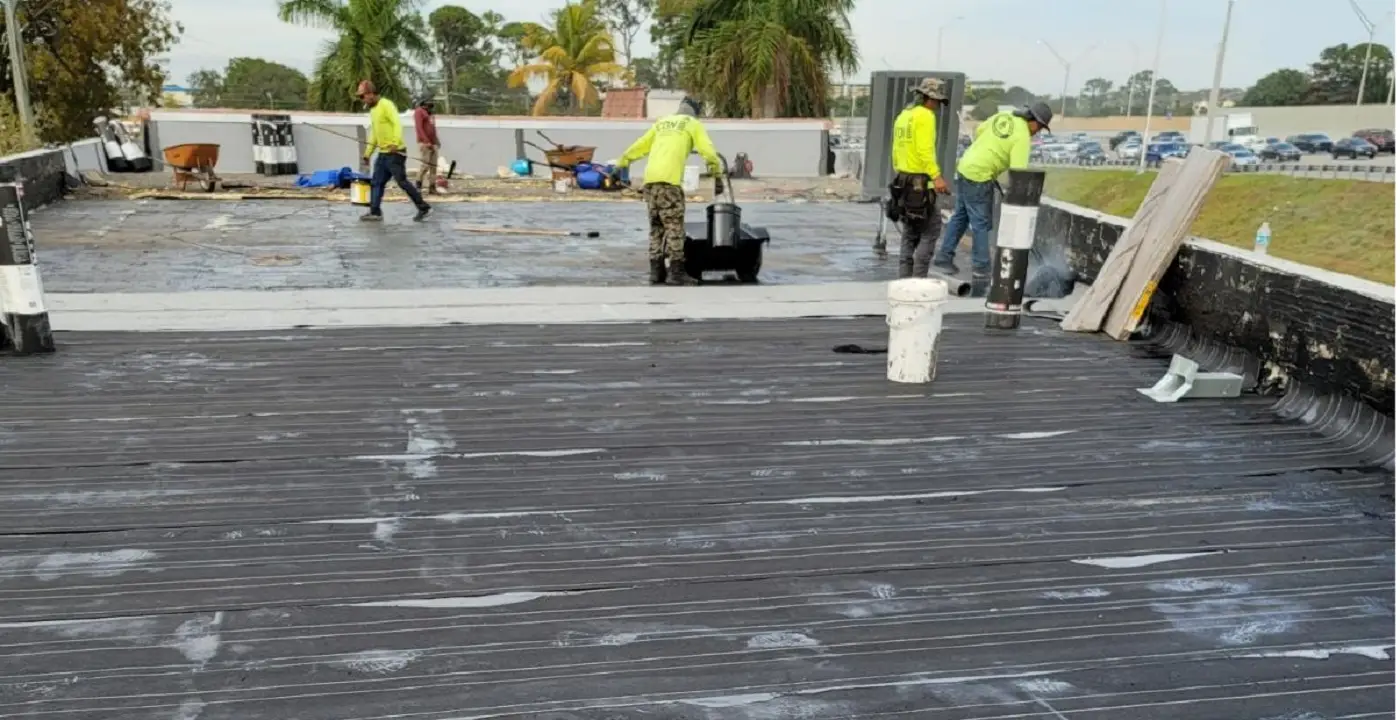
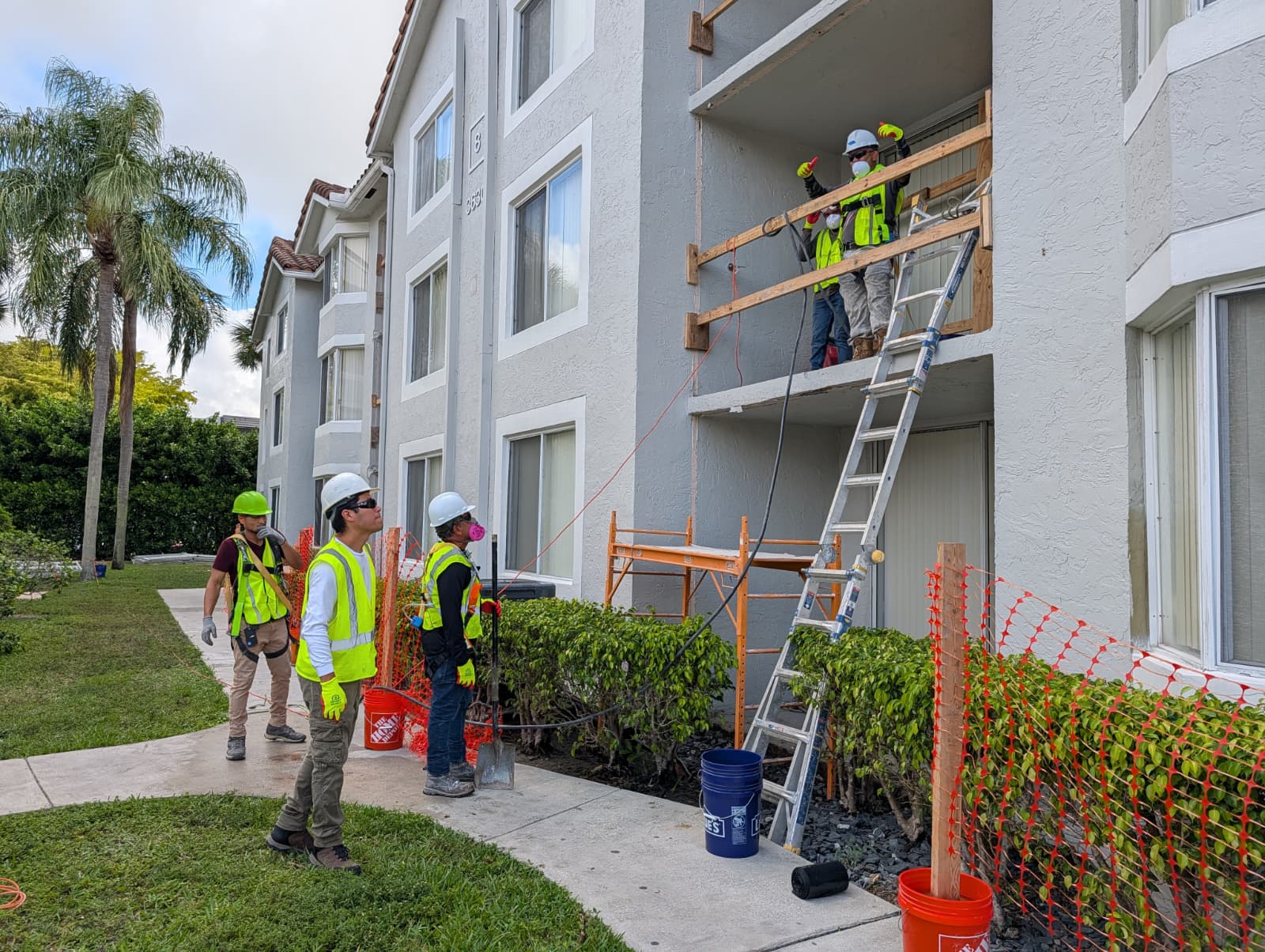
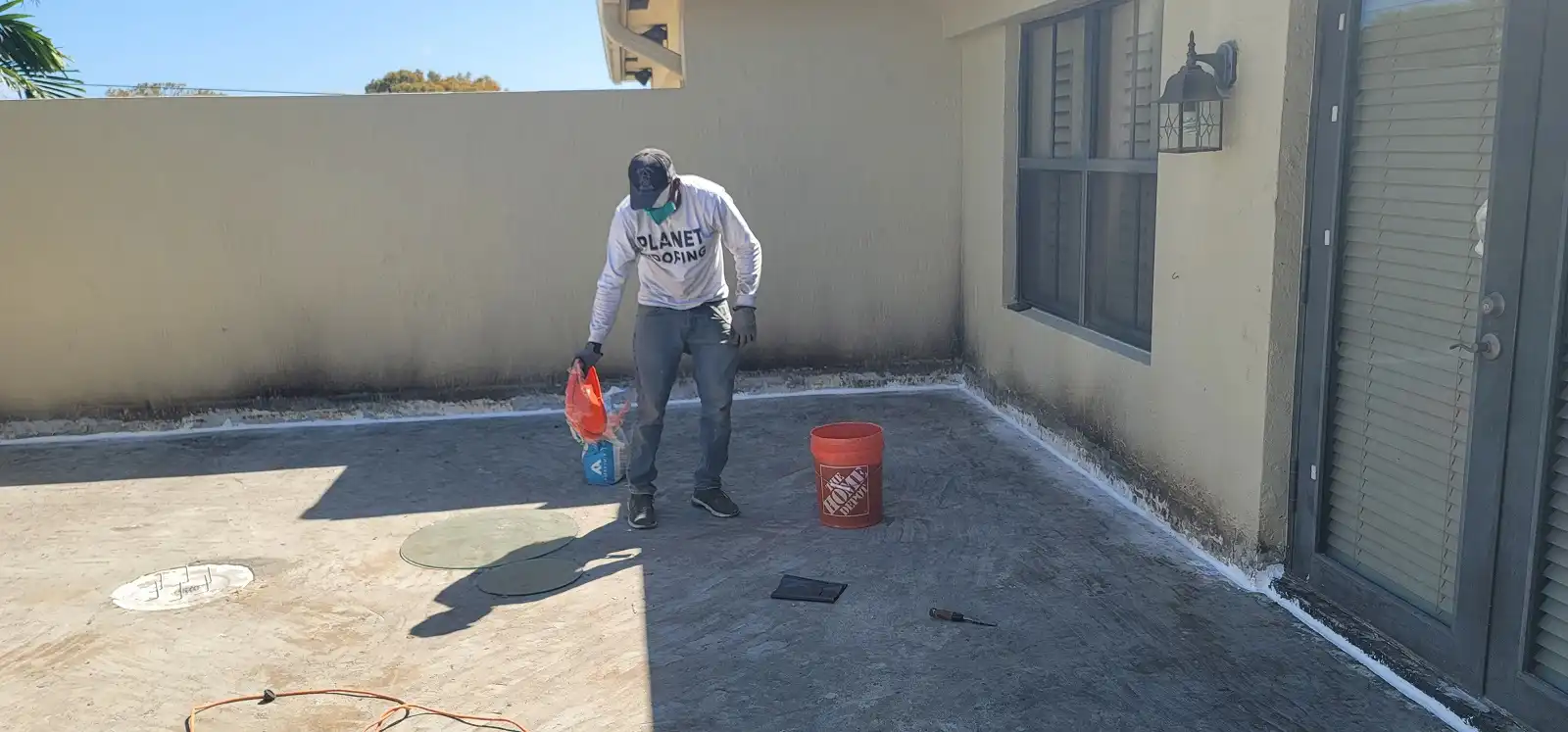
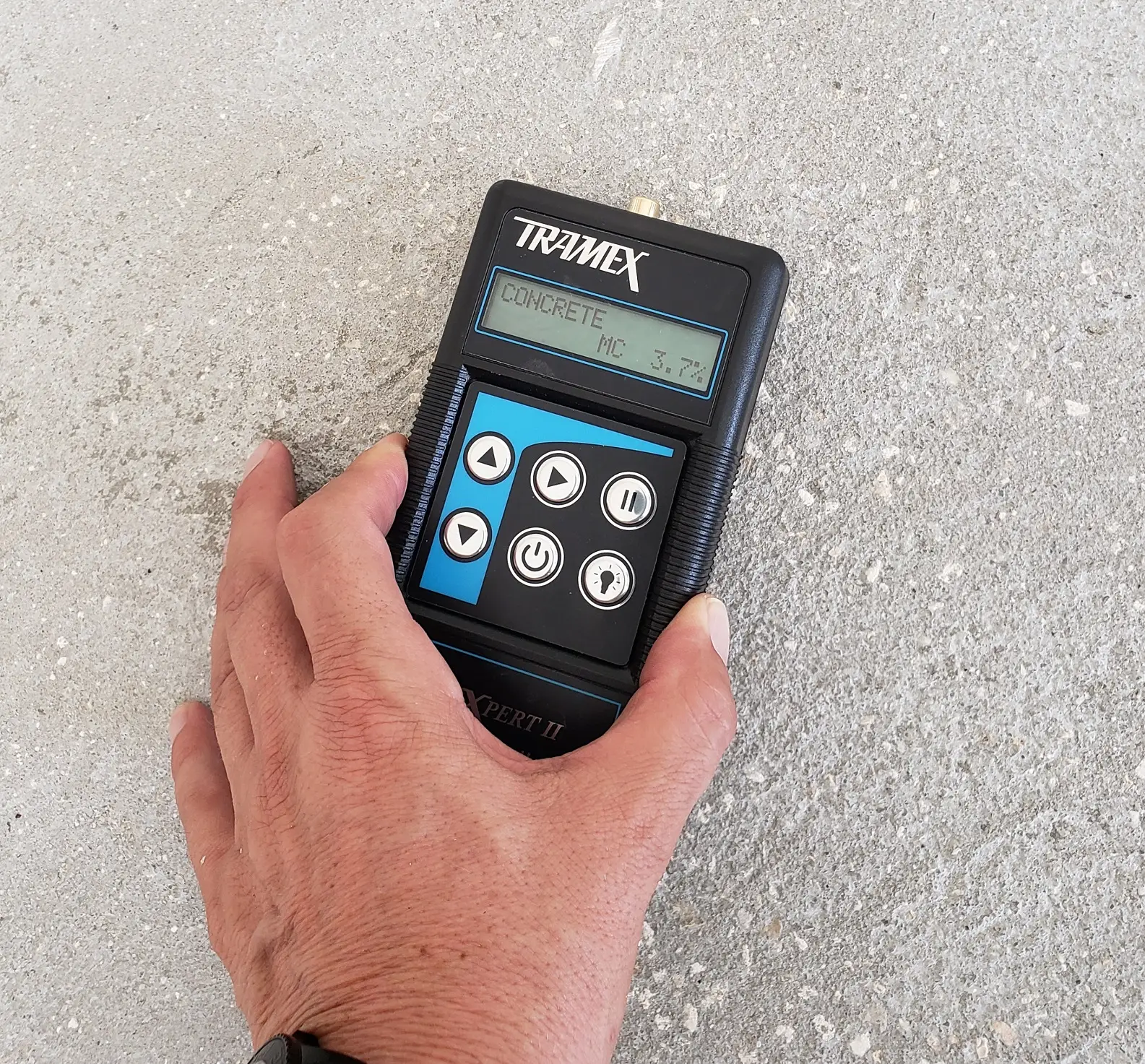
Structural Concrete Crack Repair & Micro-Fissure Sealing on active South Florida job site
100% In-House Crews • Zero Brokers
Dedicated Planet Construction crews executing Structural Concrete Restoration Division
FIELD EXPERTISE • ICRI STANDARDS

Right Crack, Right Method, Right Result

Concrete crack repair in Fort Lauderdale covers a wide spectrum — from hairline surface cracks that are primarily cosmetic to structural fractures that compromise load-carrying capacity and open pathways for the moisture and chlorides that accelerate South Florida concrete deterioration. Every crack in concrete deserves professional evaluation, because the same-looking surface crack can have very different causes and very different structural implications depending on where it is, how wide it is, and how it developed. At Planet Construction FL, we diagnose concrete cracks accurately and repair them with the method matched to the cause — not just the appearance.

ICRI 310.1R Protocol

Full 360° rebar undercut, mechanical rust descaling to bare metal, and cathodic zinc primer application.

Certified Hydraulic Shoring

Engineered multi-tier shoring towers safely support live and dead superstructure loads prior to chipping.

EOR Permitting & Sign-Off

Turnkey threshold special inspections, concrete cylinder break tests, and final municipal certificate of completion.

Life Safety • Structural Risk Mitigation

Not All Cracks Are Created Equal

A crack in concrete can mean almost anything — from harmless surface shrinkage to active structural failure. Treating every crack the same way wastes money on the simple ones and dangerously underprepares for the serious ones. Most failed crack repairs aren't bad workmanship; they're the wrong method applied to the wrong type of crack.

Mandatory Building Department Benchmark • FBC Standards
Engineered Protocol • Quality Assurance

The Right Method for Every Type of Crack

We assess every crack first: width, depth, movement, and whether it's structural or cosmetic. From there, we use the right method — epoxy injection for structural cracks, polyurethane for moving or wet cracks, surface sealers for hairlines, and routing-and-sealing where it makes sense. Matching the method to the crack is what makes the repair last.

Fully documented for engineer of record recertification file
CORE STRUCTURAL DEFICIENCIES • DIVISION SCOPES

Types of Concrete Cracks and What They Mean

Understanding crack type is the foundation of effective concrete crack repair. Shrinkage cracks — hairline-width cracks that form as concrete cures and contracts — are common and often cosmetic, though they still require sealing in South Florida's chloride environment. Settlement cracks occur when the soil or substrate beneath a slab moves unevenly, typically producing a stepped pattern where one side of the crack is higher than the other. Structural cracks in beams and columns — particularly diagonal cracks near member ends or at 45-degree angles — indicate shear stress and require engineering assessment. Post-tension tendon cracks in residential slabs follow the tendon layout in a grid pattern and have specific repair requirements. Active cracks that change width with temperature require flexible repair systems; dormant cracks can be rigidly bonded with epoxy injection.

Structural Concrete Crack Repair & Micro-Fissure Sealing division scope 1 SPECIALIZED DIVISION
ENGINEERED RESTORATION

Structural Concrete Crack Repair & Micro-Fissure Sealing Core Remediation

Comprehensive repair protocols meeting Florida Building Code and structural engineering specifications.

Request Detailed Quote →
Building envelope moisture protection SURFACE PROTECTION
MOISTURE & TRAFFIC COATINGS

Waterproof Membrane Integration

Seamless elastomeric barriers protecting underlying assemblies from South Florida salt-air and rain penetration.

View Waterproofing Options →
Structural frame and load bearing support STRUCTURAL FRAMES
LOAD-BEARING ELEMENTS

Structural Reinforcement & Shoring

Engineered hydraulic load transfer towers, steel splice welds, and polymer micro-concrete jacketing.

Inquire About Shoring →
Specialized engineering inspection and quality control QUALITY CONTROL
MUNICIPAL COMPLIANCE

Threshold Inspections & Testing

On-site special inspector reviews, cylinder breaks, pull-off adhesion testing, and certificate of completion.

Request Engineering Audit →
Commercial building facade and exterior refresh EXTERIOR ENVELOPE
EXTERIOR RESTORATION

Facade & Perimeter Protection

Stucco crack isolation, urethane expansion joint renewal, and coastal salt corrosion shielding systems.

Explore Facade Services →
High-pressure chemical grout injection and emergency response SUBTERRANEAN DEFENSE
ACTIVE LEAK DEFENSE

Pressure Chemical Grout Injection

Hydrophobic polyurethane and epoxy injection stopping subterranean water intrusion in elevator pits and foundations.

Request Leak Diagnostic →
Regulatory Code Standards • FBC & ASTM Compliance

Structural vs. Cosmetic Cracks — The Critical Distinction

The most important judgment call in concrete crack repair is determining whether a crack is structural or cosmetic. Cosmetic cracks do not affect load-carrying capacity and are primarily a waterproofing and aesthetics concern. Structural cracks compromise load capacity and create liability if unaddressed. Key indicators of structural concern: crack width greater than 0.010 inches; diagonal orientation in beams, columns, or walls; cracks accompanied by visible deflection or displacement; through-cracks in load-bearing walls; and cracks in post-tensioned elements of any width. Planet Construction FL evaluates every crack against these criteria and recommends structural engineering review when structural concern exists — before any repair work begins.

Licensed CGC1517295 • CCC1329271 Execution
Direct Engineer of Record Special Inspections
Code Assurance Criteria
ENGINEERING PROTOCOL
Sealed PE Affidavits
Signed & sealed engineering inspection reports for city permit closeout.
MATERIAL SPECIFICATION
ASTM C928 Polymer Mortars
High-early strength (>7,500 PSI) with micro-silica and corrosion inhibitor.
LEGAL COMPLIANCE
Florida SB 4-D Milestone
Phase 1 & Phase 2 structural repair scopes fully documented for HOA records.
Request Engineering Scope Review →
THE DUAL-LICENSE DIFFERENCE

Why Hiring a Single-Source General Contractor Saves Projects

Concrete structural restorations intersect with waterproofing membranes, expansion joints, and municipal milestone permits. Dividing trades creates delays, finger-pointing, and voided warranties.

THE TRADITIONAL MODEL

Disjointed Subcontracting

Separate concrete patchers, painters, and coating contractors frequently void each other's warranties. If water intrusion recurs, the waterproofer blames the concrete mortar while the mason blames the sealant.

Critical Risk: Multi-vendor disputes, finger-pointing over leaks or failures, and voided manufacturer warranties.
MUNICIPAL RAPIDITY

Accelerated Permit Milestones

We pull permits directly across Fort Lauderdale, Pompano Beach, Hollywood, Boca Raton, and Weston building departments. We coordinate engineering special inspections daily to prevent costly stop-work delays.

Turnkey Efficiency: Faster city sign-offs, reduced disruption, and full Florida Building Code certification.
RIGOROUS 5-PHASE PROTOCOL

Crack Repair Methods We Use

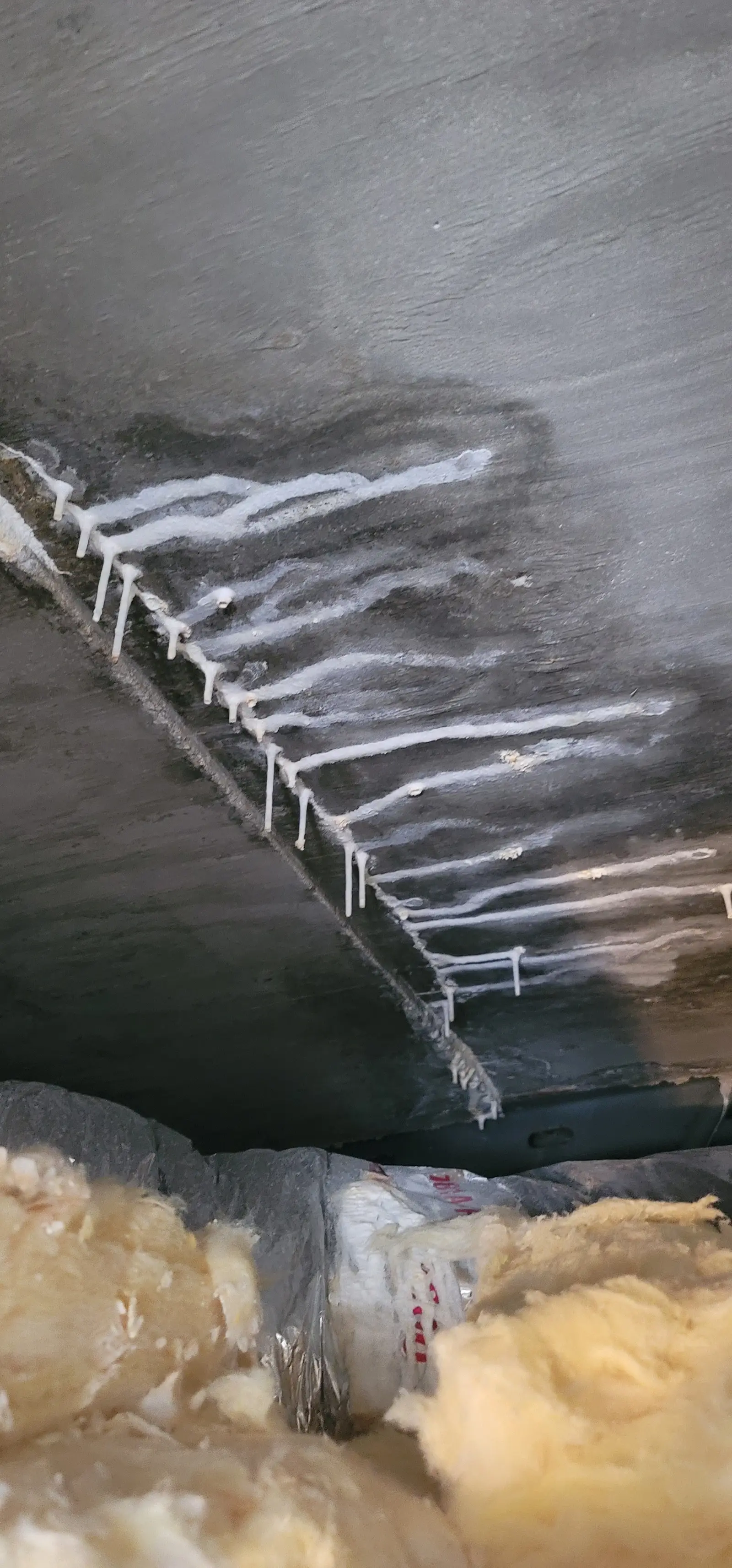
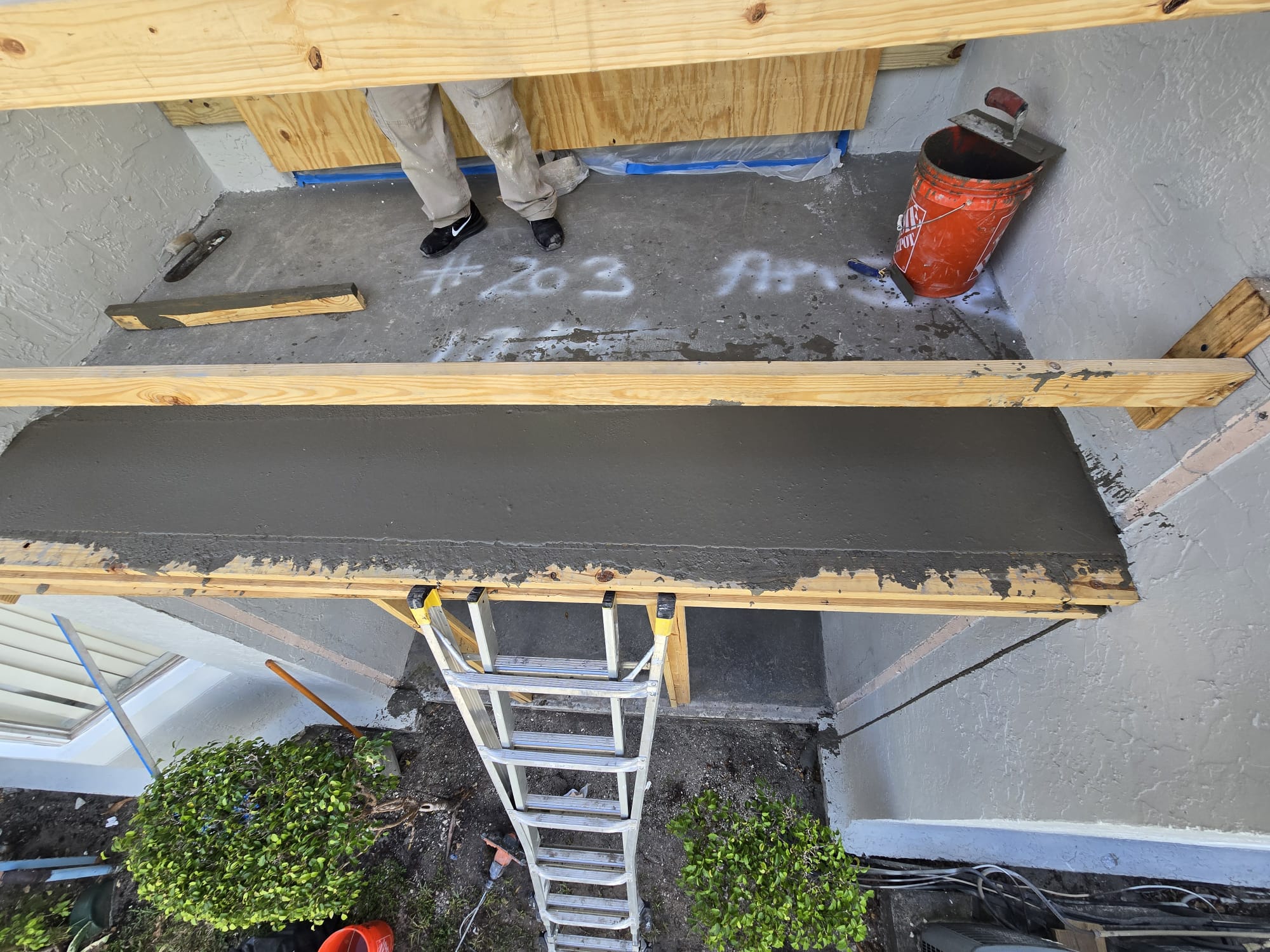
Planet Construction FL uses the full range of concrete crack repair methods, selected based on crack type, width, activity, and moisture condition. Epoxy injection — injecting two-component structural epoxy under low pressure — is used for dormant structural cracks where bonding crack faces and restoring structural continuity is the objective. Polyurethane foam injection is used for active water-bearing cracks where the foam expands and seals the water pathway in the presence of moisture. Routing and sealing — saw-cutting a reservoir along the crack and filling with flexible polyurethane sealant — addresses moving cracks where rigid bonding would create a new crack adjacent to the repair. Surface sealing with penetrating silane or film-forming sealers is used for tight hairline cracks that require waterproofing rather than structural repair.

01
Initial Assessment

EOR Audit & Delamination Sounding

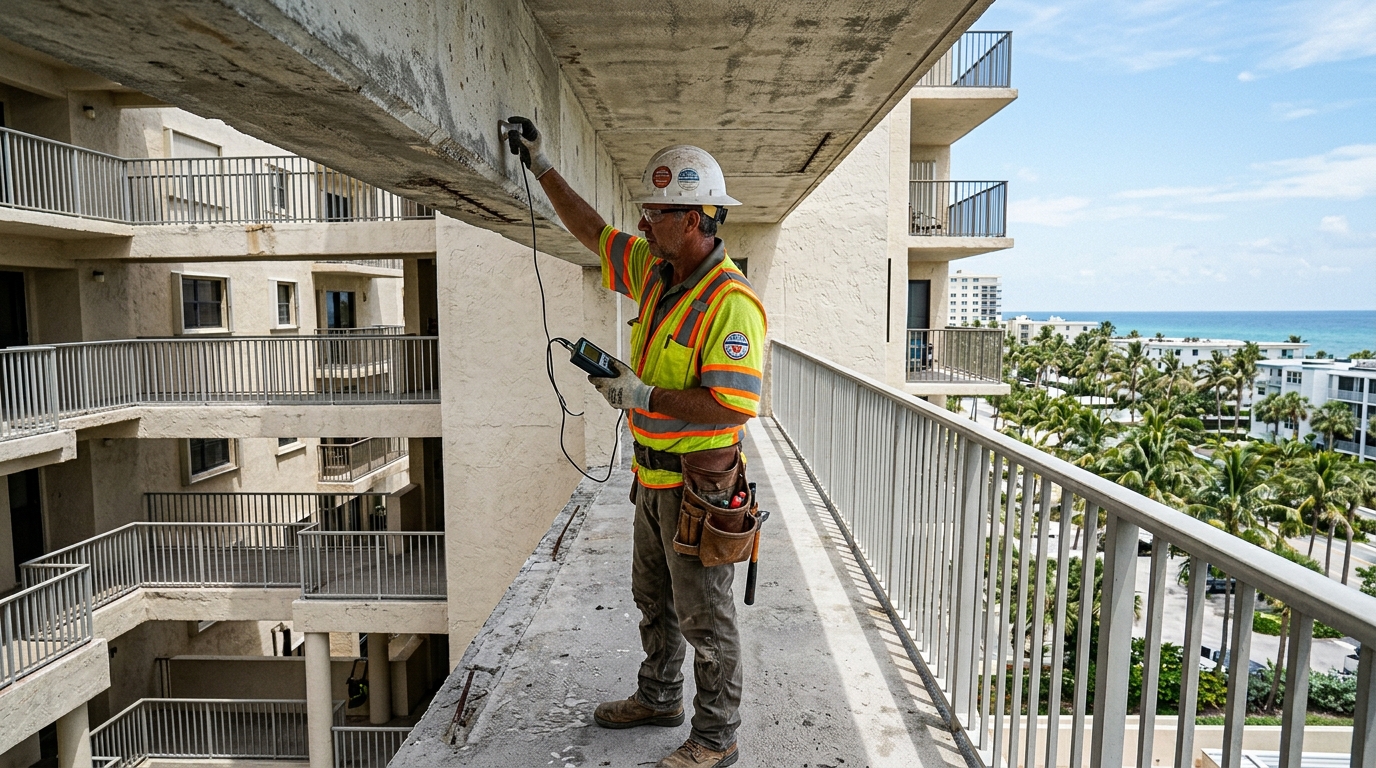
Technicians review engineer reports and conduct acoustical hammer sounding surveys to map hidden subsurface delaminations.

02
Pre-Construction

Certified Shoring & Permitting

Erecting calibrated multi-tier hydraulic shoring towers and pulling municipal building department permits across South Florida.

03
Site Preparation

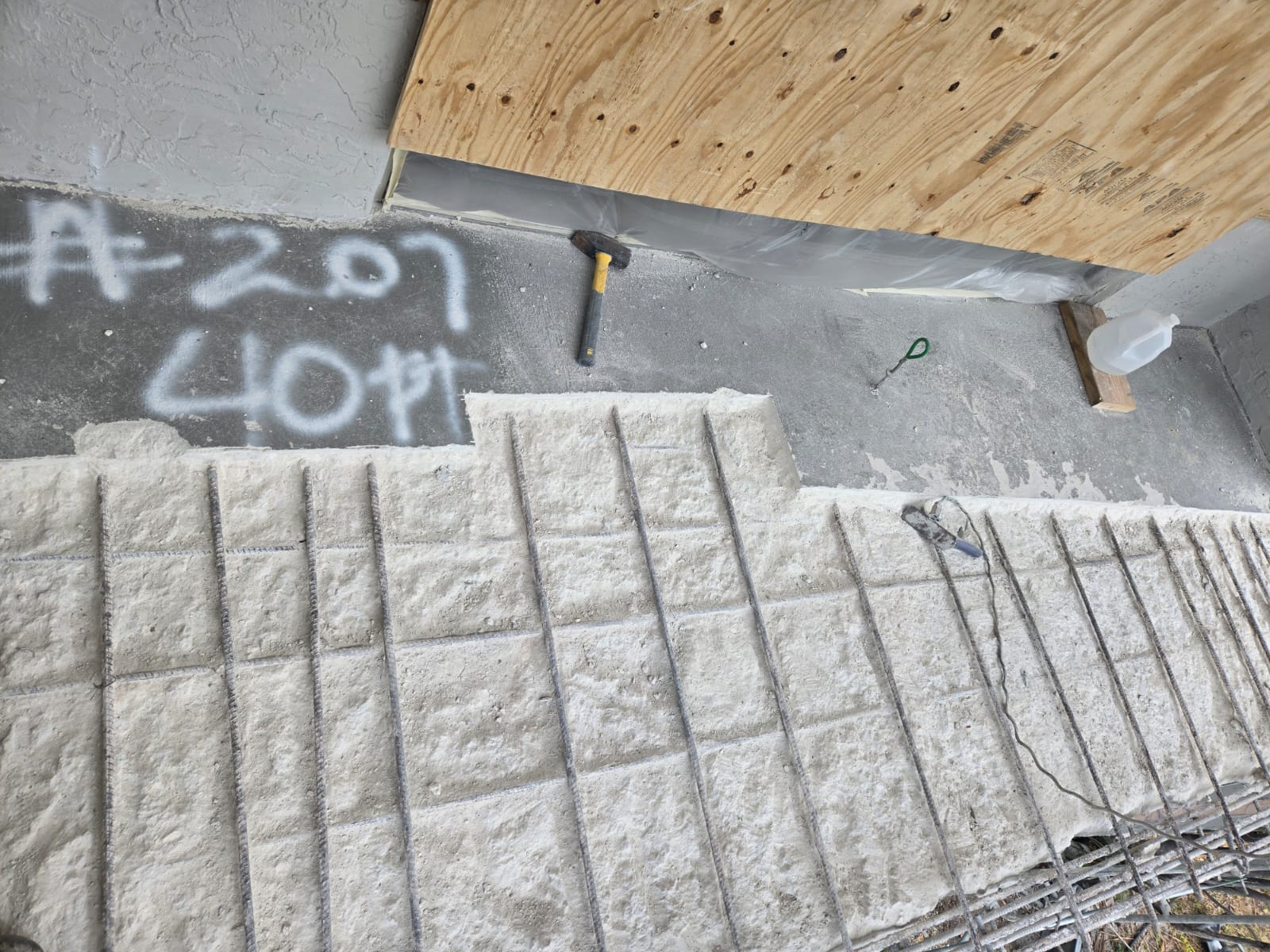
ICRI 360° Rebar Demolition

Chipping concrete to 3/4-inch clearance around oxidized steel, sandblasting to bare metal (SSPC-SP 10), and applying cathodic zinc primer.

04
Precision Execution

Polymer Mortar Cast & Curing

Scrubbing cementitious bonding slurry into SSD substrate, casting high-strength micro-concrete (>6,500 PSI), and controlling wet curing.

05
Quality & Sign-Off

Protective Membrane & Sign-Off

Applying elastomeric waterproofing barrier coats, performing flood testing, and securing final municipal building department permit sign-off.

Preventing Future Cracks in South Florida Concrete
Field Verified • Active Florida Site
Florida Milestone • SB 4-D Engineering Standard
Direct Engineer-of-Record Coordination • Licensed CGC1517295 Execution
Commercial Asset Managers • HOA Boards

Preventing Future Cracks in South Florida Concrete

Concrete cracking in South Florida's climate is often preventable with the right protective measures. Penetrating silane sealers applied to horizontal surfaces dramatically reduce water absorption and chloride penetration — slowing the moisture-driven deterioration cycle that leads to cracking and spalling. Elastomeric coatings on vertical surfaces bridge micro-cracks and prevent water entry at the surface. Proper joint spacing in new concrete work controls where shrinkage cracking occurs — placing it at intentional control joints rather than randomly through the slab. For existing buildings with a history of recurring cracking, Planet Construction FL develops a systematic inspection and protection program that catches new cracks early and applies protective coatings on a maintenance schedule — preventing the progression from crack to infiltration to spalling to structural damage.

Multi-Unit Program Support

Phased construction logistics, resident notices, reserve study alignment, and direct engineer of record milestone recertification sign-offs.

HOA Board Presentation Packages & Milestone Recertification Decks
Multi-Year Capital Expenditure Phasing to Mitigate Special Assessments
Request Program Proposal Direct Qualifier CGC1517295 • No Obligation Board Review
FIELD CRAFT • REAL SOUTH FLORIDA SITES

Verified Project Spotlight • South Florida Concrete Restorations

Documented case studies showcasing engineered structural repairs across Broward and Palm Beach County properties.

Condo Balcony Structural Restoration
DIV 03 • STRUCTURAL Weston, FL
WESTON • CONDOS

Condo Balcony Structural Restoration

Full-depth cantilevered balcony spall excavations, railing pocket re-anchoring, and multi-layer pedestrian traffic coatings for 48 units.

Permit Approved • City of Weston
Shear Wall & Parapet Restoration
DIV 07 • ENVELOPE Pompano Beach, FL
POMPANO BEACH • COASTAL TOWER

Shear Wall & Parapet Restoration

Extensive rebar replacement, micro-concrete form-and-pour jackets, and salt corrosion shielding for coastal high-rise assemblies.

SB 4-D Milestone Compliant • Broward County
Commercial Garage Deck Resurfacing
DIV 08 • COMMERCIAL Fort Lauderdale, FL
FORT LAUDERDALE • COMMERCIAL

Commercial Garage Deck Resurfacing

Hydro-demolition of 6,500 sq ft delaminated deck concrete, heavy vehicular expansion joints, and polyurethane traffic membranes.

Zero Downtime Phasing • City of Fort Lauderdale

Offering Entire Superior Services Solutions

Single-source general contracting, coastal roofing, and structural restoration engineered for South Florida.

Genti Kraja (John) - Planet Construction Qualifying Contractor
COMMON QUESTIONS • STRAIGHT ANSWERS

Frequently Asked Questions

Clear answers regarding engineering specifications, municipal code compliance, and structural concrete restoration standards.

Are all concrete cracks a problem in Fort Lauderdale?

Not all cracks are immediate structural emergencies, but all cracks in South Florida's climate are moisture infiltration risks. Even hairline cracks that pose no structural concern provide a pathway for salt-laden water to reach embedded rebar — starting the corrosion cycle that eventually causes structural damage. In Fort Lauderdale's environment, we recommend sealing all visible concrete cracks regardless of their structural significance.

How do I tell if a crack is getting worse?

The most reliable method is crack monitoring with crack gauges — small scale markers installed across the crack that allow precise measurement of width changes over time. A simpler approach is photographing the crack with a scale reference and checking periodically. A crack that changes width with temperature cycling is active and requires flexible repair. A crack that remains constant over several months may be dormant and suitable for rigid epoxy bonding.

How long does concrete crack repair take?

Simple surface sealing or routing and sealing of a typical crack takes 1–2 hours. Epoxy injection of a structural crack takes 3–6 hours for port installation and injection, plus 24–48 hours for curing before return to service. Larger projects with multiple crack locations are scoped and scheduled based on the full repair inventory developed during our assessment.

What causes concrete cracks to appear suddenly after heavy rain?

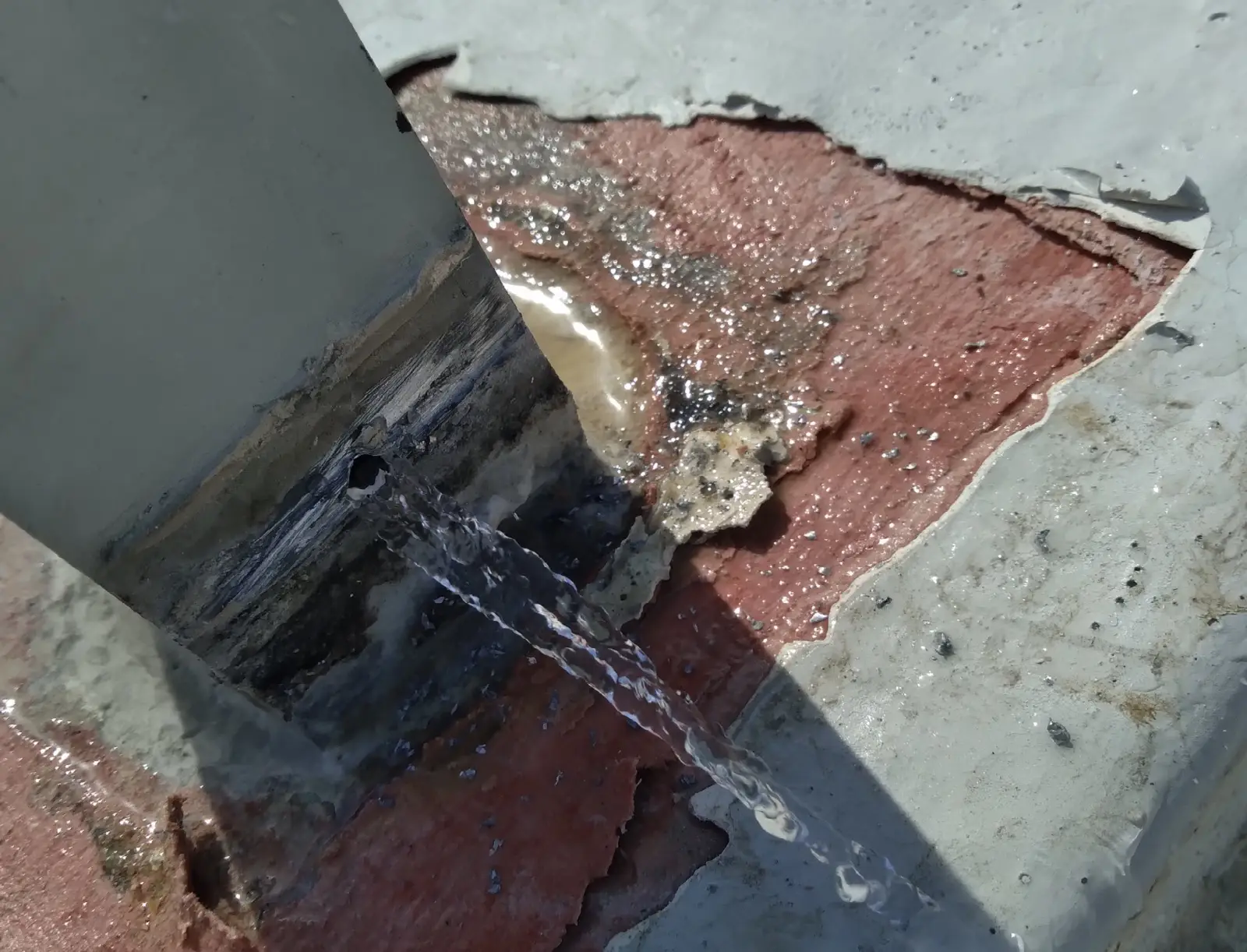
Heavy rain events in South Florida can reveal cracks previously hidden by dry concrete's appearance — moisture saturating the concrete makes cracks visible by darkening the surrounding area. More concerning is a crack that actively leaks water during or after rain, which indicates a through-crack in a waterproofed element and requires immediate repair to prevent moisture infiltration and structural damage downstream.

FAST WRITTEN ESTIMATES • DIRECT ACCOUNTABILITY

Get Your Crack Repair Estimate

Send us photos or schedule a free inspection. We'll identify the crack type and recommend the right repair — honestly.

Need immediate contractor answers?

Speak directly with John Kraja, Qualifying Contractor (CGC1517295 & CCC1329271). No salesmen, no middleman brokers. We respond within 15 minutes during business hours.

(754) 301-6747
  • Florida Certified General Contractor • Lic #CGC1517295
  • Florida Certified Roofing Contractor • Lic #CCC1329271
  • $2,000,000 General Liability + Complete Workers' Comp

Zero obligation. Engineering and site plans held under strict commercial confidentiality.