STRUCTURAL CONCRETE • DIV 03 FL CGC1517295 • CCC1329271

Concrete Expansion Joint Repair in Fort Lauderdale

Failed expansion joints let water in and let buildings move where they shouldn't. We rebuild joints with the right sealants and backer for South Florida's climate.

ICRI 310.1R Protocol 360° Rebar Undercut
Hydraulic Shoring Certified Axial Transfer
100% In-House Crews Zero Subcontracting
Commercial Concrete Expansion Joint Reconstruction & Waterproofing
FL STATE LICENSED
CGC1517295 • CCC1329271
>6,500 PSI
Polymer Mortar
3/4" Min
Rebar Clearance
100%
Monolithic Bond
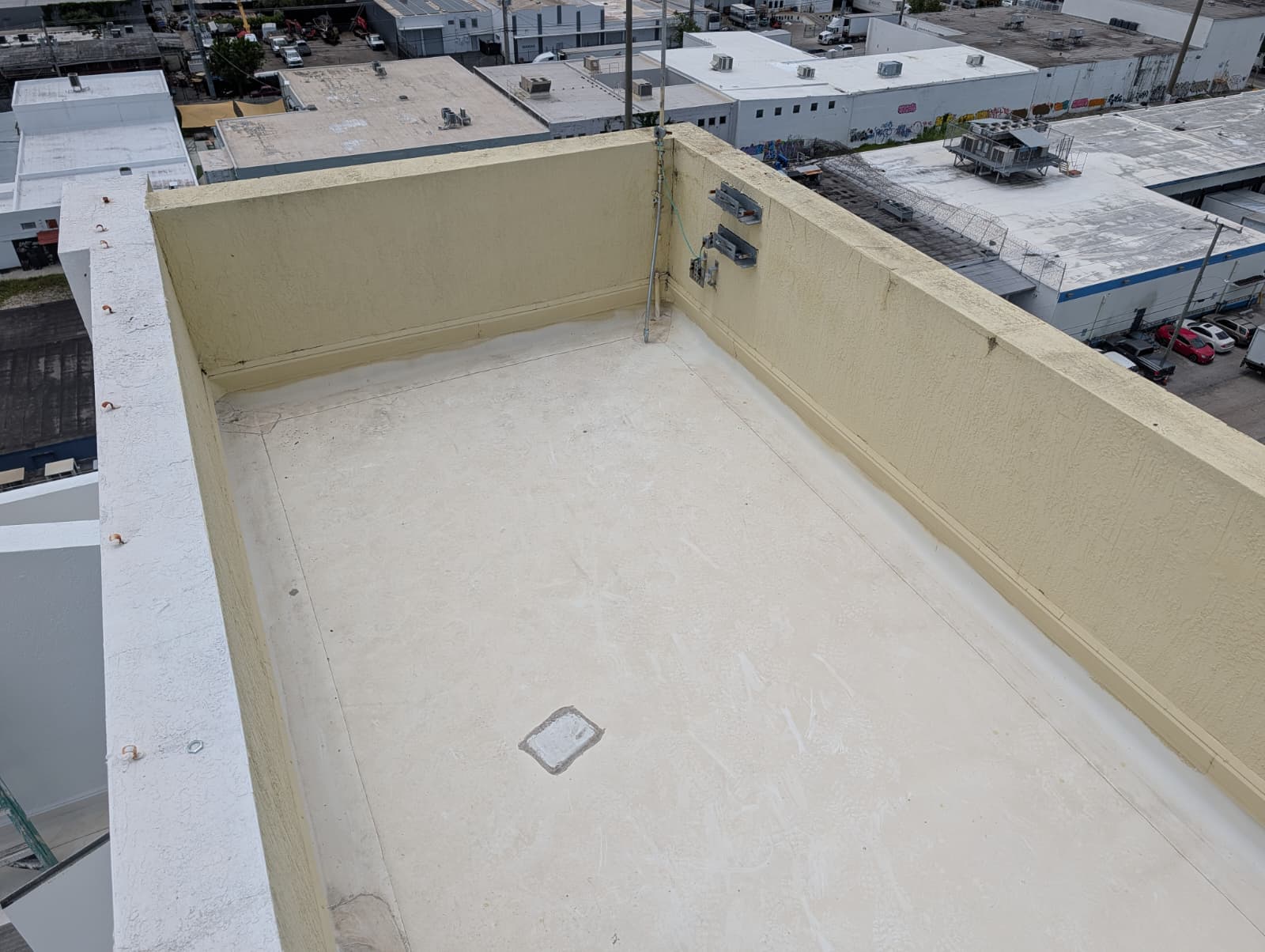
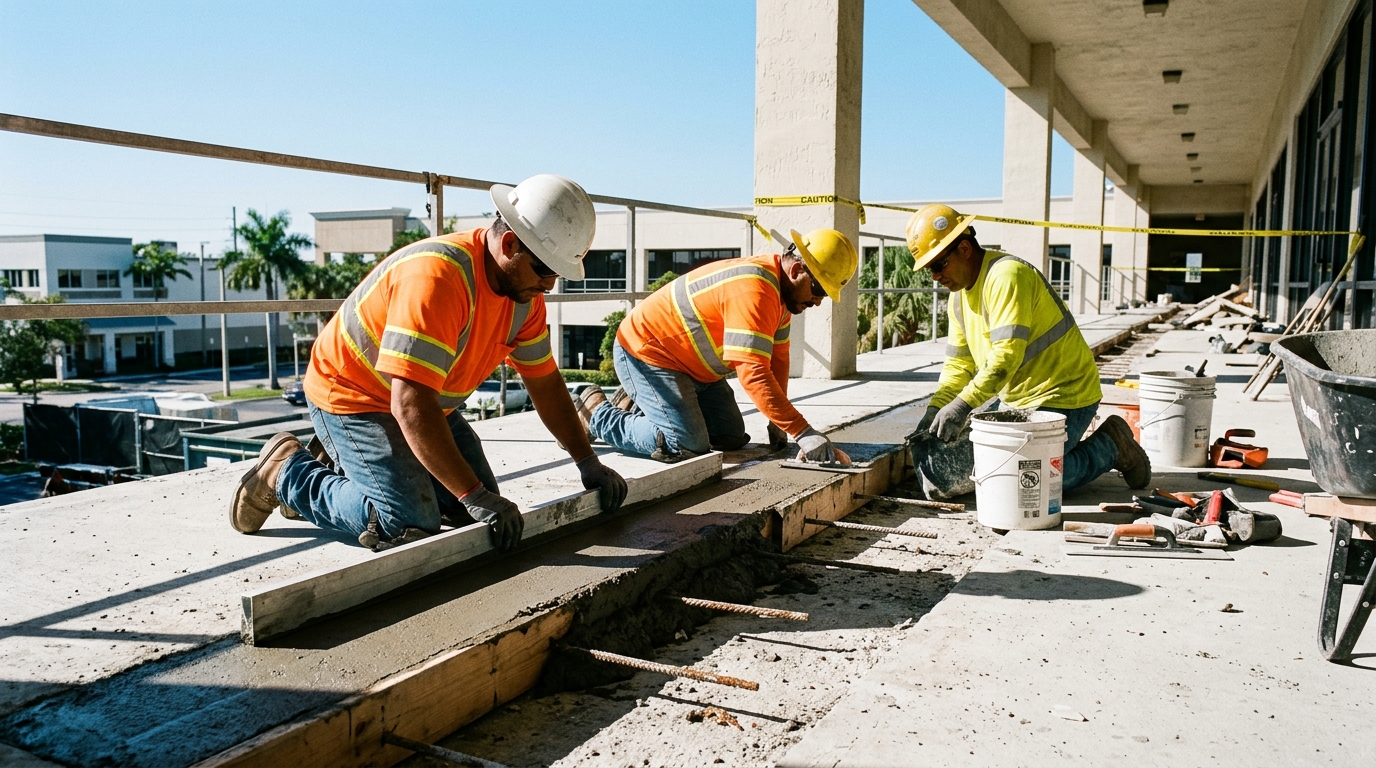
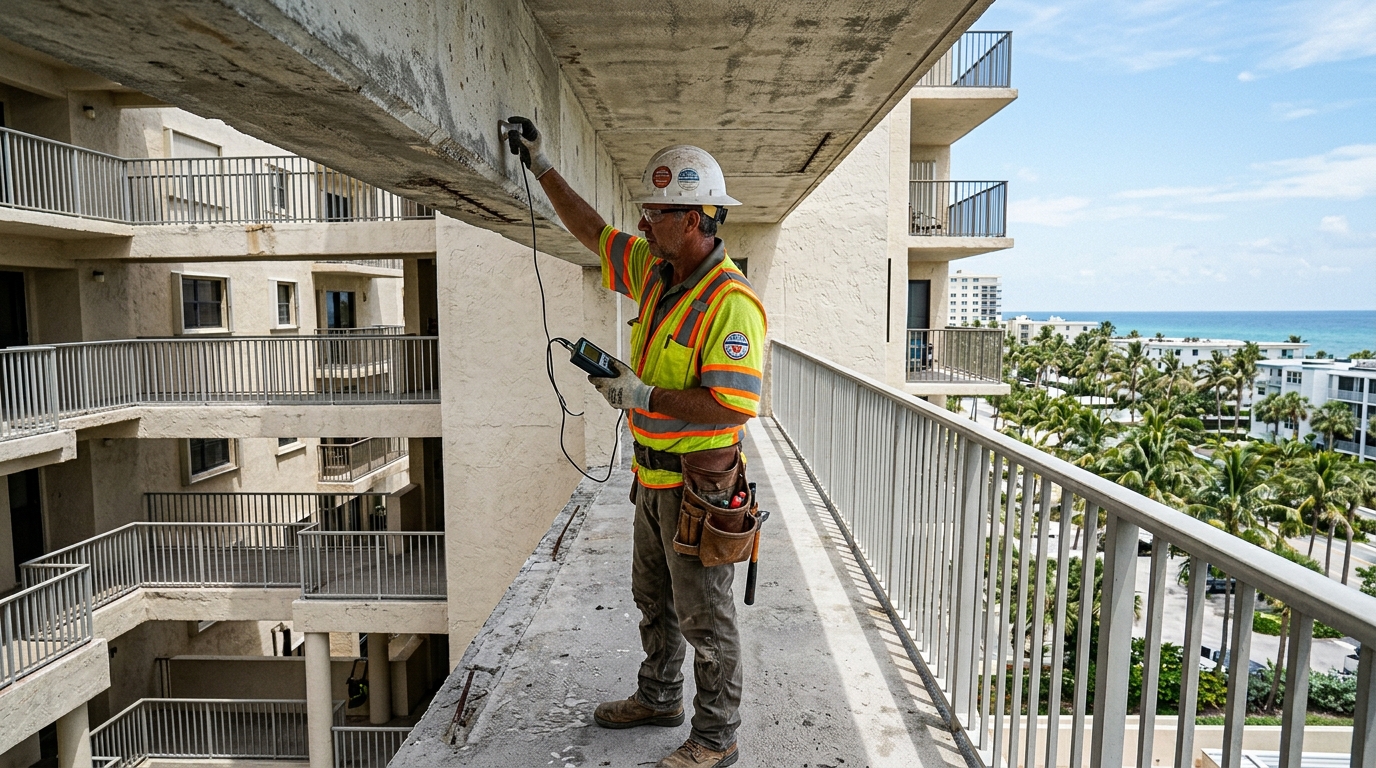
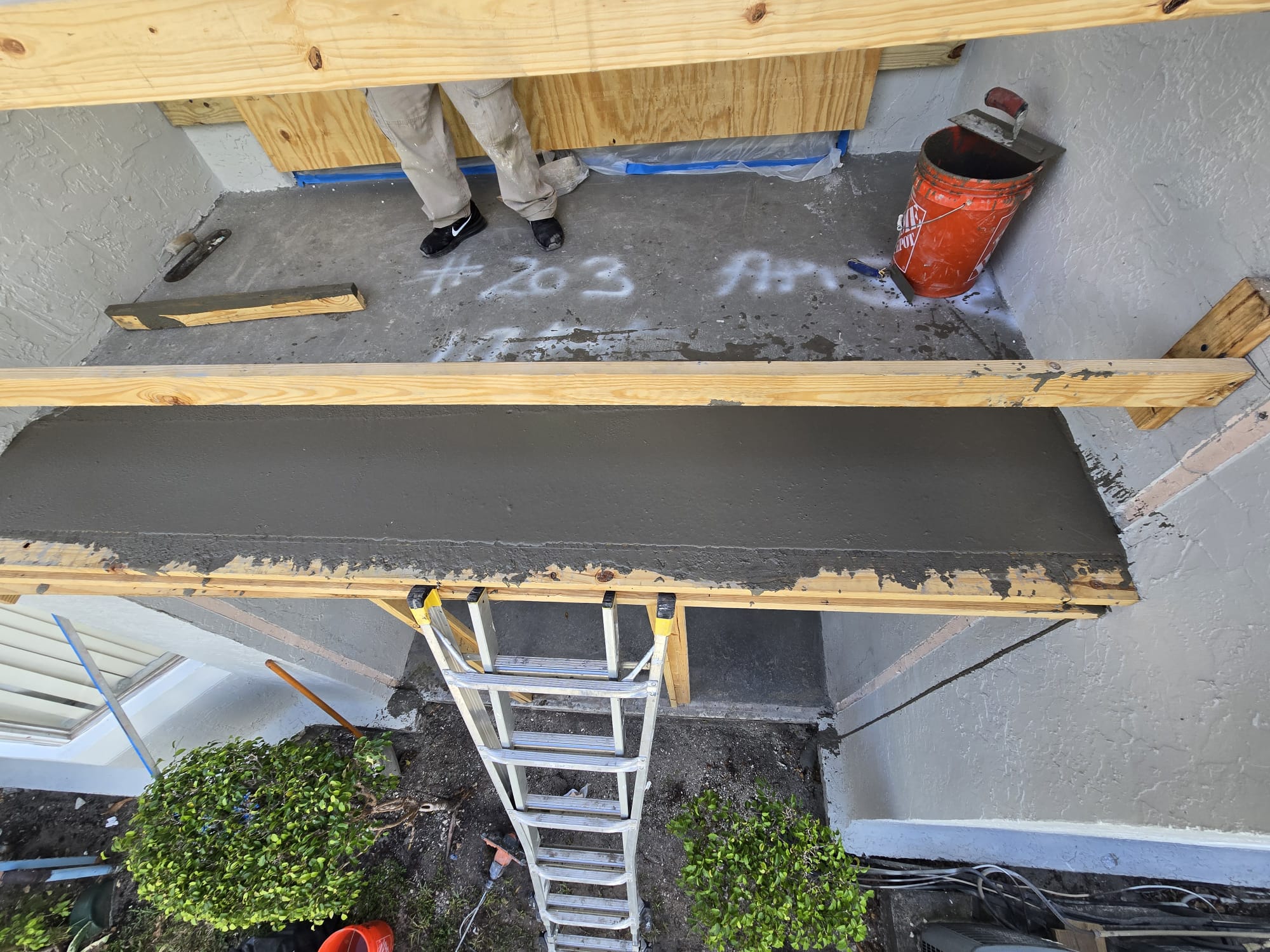
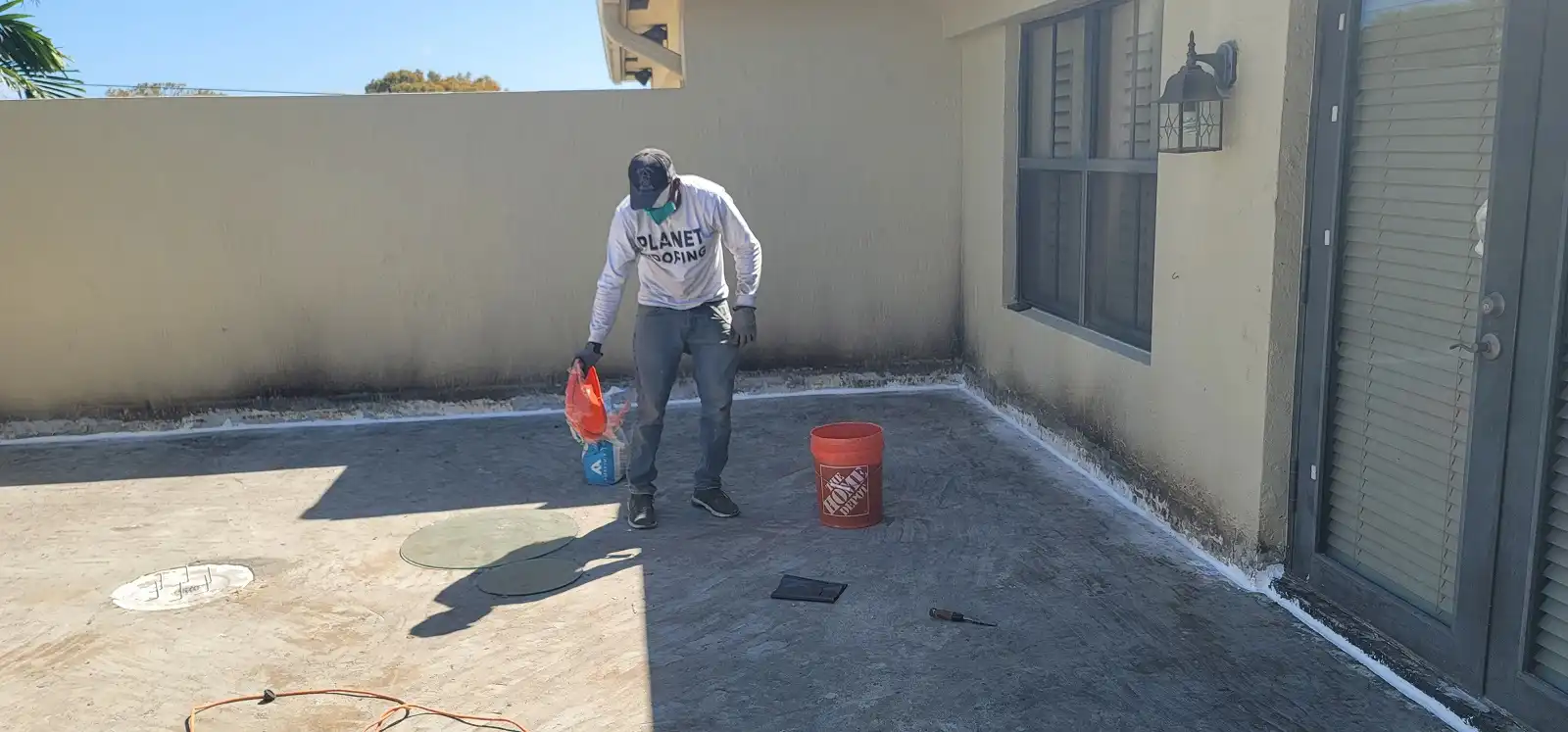
Commercial Concrete Expansion Joint Reconstruction & Waterproofing on active South Florida job site
100% In-House Crews • Zero Brokers
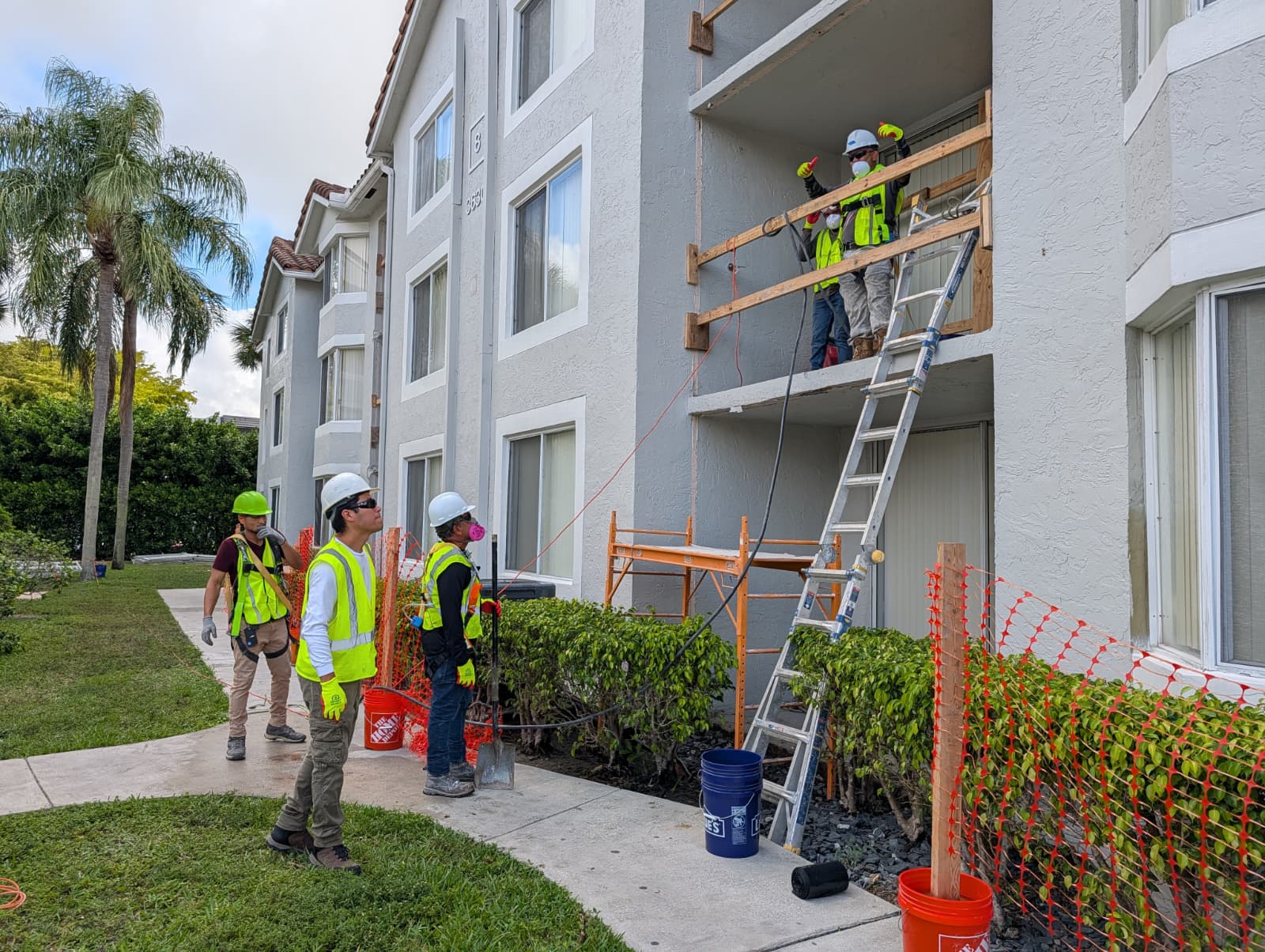
Dedicated Planet Construction crews executing Structural Concrete Restoration Division
FIELD EXPERTISE • ICRI STANDARDS

Joints That Move With Your Building, Not Against It

Expansion joint repair in Fort Lauderdale stops water infiltration before it destroys your building's structural concrete from the inside out. Failed expansion joints are the most common — and most overlooked — pathway for water intrusion in parking garages, concrete decks, and multi-story buildings throughout South Florida. At Planet Construction FL, we replace and rebuild expansion joints using high-performance sealant systems designed to withstand Florida's heat, humidity, and traffic loads — closing the gap between a damaged structure and a protected one.

ICRI 310.1R Protocol

Full 360° rebar undercut, mechanical rust descaling to bare metal, and cathodic zinc primer application.

Certified Hydraulic Shoring

Engineered multi-tier shoring towers safely support live and dead superstructure loads prior to chipping.

EOR Permitting & Sign-Off

Turnkey threshold special inspections, concrete cylinder break tests, and final municipal certificate of completion.

Life Safety • Structural Risk Mitigation

Failed Joints Let Water and Movement In

Expansion joints exist so your building can move without cracking itself apart. When the sealant fails, water pours in, the joint loses its function, and adjacent concrete starts cracking from stress it was never meant to absorb. Most failed joints look like minor maintenance — until they cause structural damage that costs ten times more to fix.

Mandatory Building Department Benchmark • FBC Standards
Engineered Protocol • Quality Assurance

New Joints That Move and Seal the Right Way

We remove the failed sealant and any damaged adjacent concrete, install proper backer rod, and seal with high-performance sealants matched to the joint's movement and exposure. For larger joints, we use joint systems engineered for traffic, water, and movement. The result is a joint that does its job — moving with the building and keeping water out.

Fully documented for engineer of record recertification file
CORE STRUCTURAL DEFICIENCIES • DIVISION SCOPES

What Are Expansion Joints and Why They Fail

Expansion joints are engineered gaps built into concrete slabs, decks, and walls to accommodate movement caused by thermal expansion, building settlement, and seismic activity. They are intentional breaks in the concrete, filled with flexible sealant materials that allow controlled movement while preventing water, debris, and wind-driven rain from entering the structure. In South Florida's extreme thermal environment — surfaces reaching 180°F in direct sun — these joints work hard every day. Over time, sealants harden, crack, debond from joint faces, or are torn away by foot and vehicle traffic. Once a joint fails, it becomes a direct water entry channel to the concrete below.

Commercial Concrete Expansion Joint Reconstruction & Waterproofing division scope 1 SPECIALIZED DIVISION
ENGINEERED RESTORATION

Commercial Concrete Expansion Joint Reconstruction & Waterproofing Core Remediation

Comprehensive repair protocols meeting Florida Building Code and structural engineering specifications.

Request Detailed Quote →
Building envelope moisture protection SURFACE PROTECTION
MOISTURE & TRAFFIC COATINGS

Waterproof Membrane Integration

Seamless elastomeric barriers protecting underlying assemblies from South Florida salt-air and rain penetration.

View Waterproofing Options →
Structural frame and load bearing support STRUCTURAL FRAMES
LOAD-BEARING ELEMENTS

Structural Reinforcement & Shoring

Engineered hydraulic load transfer towers, steel splice welds, and polymer micro-concrete jacketing.

Inquire About Shoring →
Specialized engineering inspection and quality control QUALITY CONTROL
MUNICIPAL COMPLIANCE

Threshold Inspections & Testing

On-site special inspector reviews, cylinder breaks, pull-off adhesion testing, and certificate of completion.

Request Engineering Audit →
Commercial building facade and exterior refresh EXTERIOR ENVELOPE
EXTERIOR RESTORATION

Facade & Perimeter Protection

Stucco crack isolation, urethane expansion joint renewal, and coastal salt corrosion shielding systems.

Explore Facade Services →
High-pressure chemical grout injection and emergency response SUBTERRANEAN DEFENSE
ACTIVE LEAK DEFENSE

Pressure Chemical Grout Injection

Hydrophobic polyurethane and epoxy injection stopping subterranean water intrusion in elevator pits and foundations.

Request Leak Diagnostic →
Regulatory Code Standards • FBC & ASTM Compliance

Signs of Expansion Joint Failure

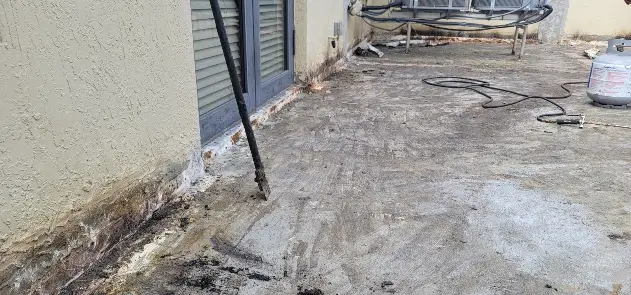
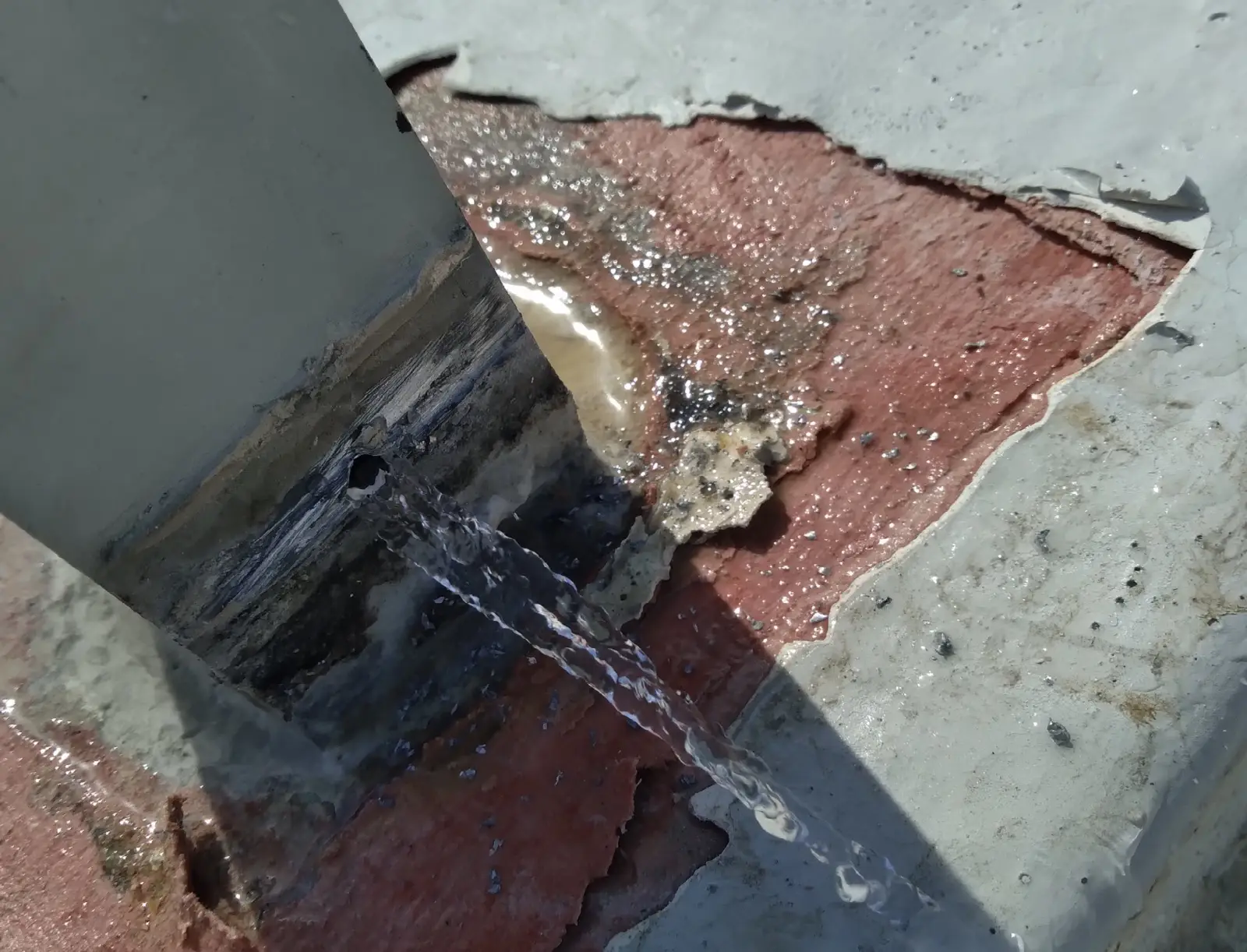
Failed expansion joints are often visible even without close inspection. Look for cracked, shrunken, or missing sealant material — sections of open gap with no flexible fill. Dark staining around joint edges indicates water has been infiltrating for some time. Rust staining below joints on soffits or columns is a serious sign that water is reaching the rebar layer in the slab above. Spalling concrete along joint edges means freeze-thaw (rare in Florida) or chemical damage from infiltrating water has already begun attacking the concrete on either side of the joint. In parking garages, oil staining alongside joint deterioration indicates vehicle traffic is also tearing at the sealant material.

Licensed CGC1517295 • CCC1329271 Execution
Direct Engineer of Record Special Inspections
Code Assurance Criteria
ENGINEERING PROTOCOL
Sealed PE Affidavits
Signed & sealed engineering inspection reports for city permit closeout.
MATERIAL SPECIFICATION
ASTM C928 Polymer Mortars
High-early strength (>7,500 PSI) with micro-silica and corrosion inhibitor.
LEGAL COMPLIANCE
Florida SB 4-D Milestone
Phase 1 & Phase 2 structural repair scopes fully documented for HOA records.
Request Engineering Scope Review →
THE DUAL-LICENSE DIFFERENCE

Why Hiring a Single-Source General Contractor Saves Projects

Concrete structural restorations intersect with waterproofing membranes, expansion joints, and municipal milestone permits. Dividing trades creates delays, finger-pointing, and voided warranties.

THE TRADITIONAL MODEL

Disjointed Subcontracting

Separate concrete patchers, painters, and coating contractors frequently void each other's warranties. If water intrusion recurs, the waterproofer blames the concrete mortar while the mason blames the sealant.

Critical Risk: Multi-vendor disputes, finger-pointing over leaks or failures, and voided manufacturer warranties.
MUNICIPAL RAPIDITY

Accelerated Permit Milestones

We pull permits directly across Fort Lauderdale, Pompano Beach, Hollywood, Boca Raton, and Weston building departments. We coordinate engineering special inspections daily to prevent costly stop-work delays.

Turnkey Efficiency: Faster city sign-offs, reduced disruption, and full Florida Building Code certification.
RIGOROUS 5-PHASE PROTOCOL

Types of Expansion Joint Repairs

Expansion joint repair options range from sealant replacement on sound joints to full joint rebuild on damaged or modified joints. Simple sealant replacement involves routing out old sealant to the full joint depth, cleaning the joint faces, and installing new backer rod and sealant — restoring the joint to full performance. Where joint faces are spalled or cracked, the concrete at the joint edges must be repaired and properly profiled before new sealant can adhere. In high-movement or vehicular applications, preformed compression seals or armor joint systems may be specified to provide greater durability than field-applied sealants alone. We select the repair method appropriate to each joint's movement requirements and traffic exposure.

01
Initial Assessment

EOR Audit & Delamination Sounding

Technicians review engineer reports and conduct acoustical hammer sounding surveys to map hidden subsurface delaminations.

02
Pre-Construction

Certified Shoring & Permitting

Erecting calibrated multi-tier hydraulic shoring towers and pulling municipal building department permits across South Florida.

03
Site Preparation

ICRI 360° Rebar Demolition

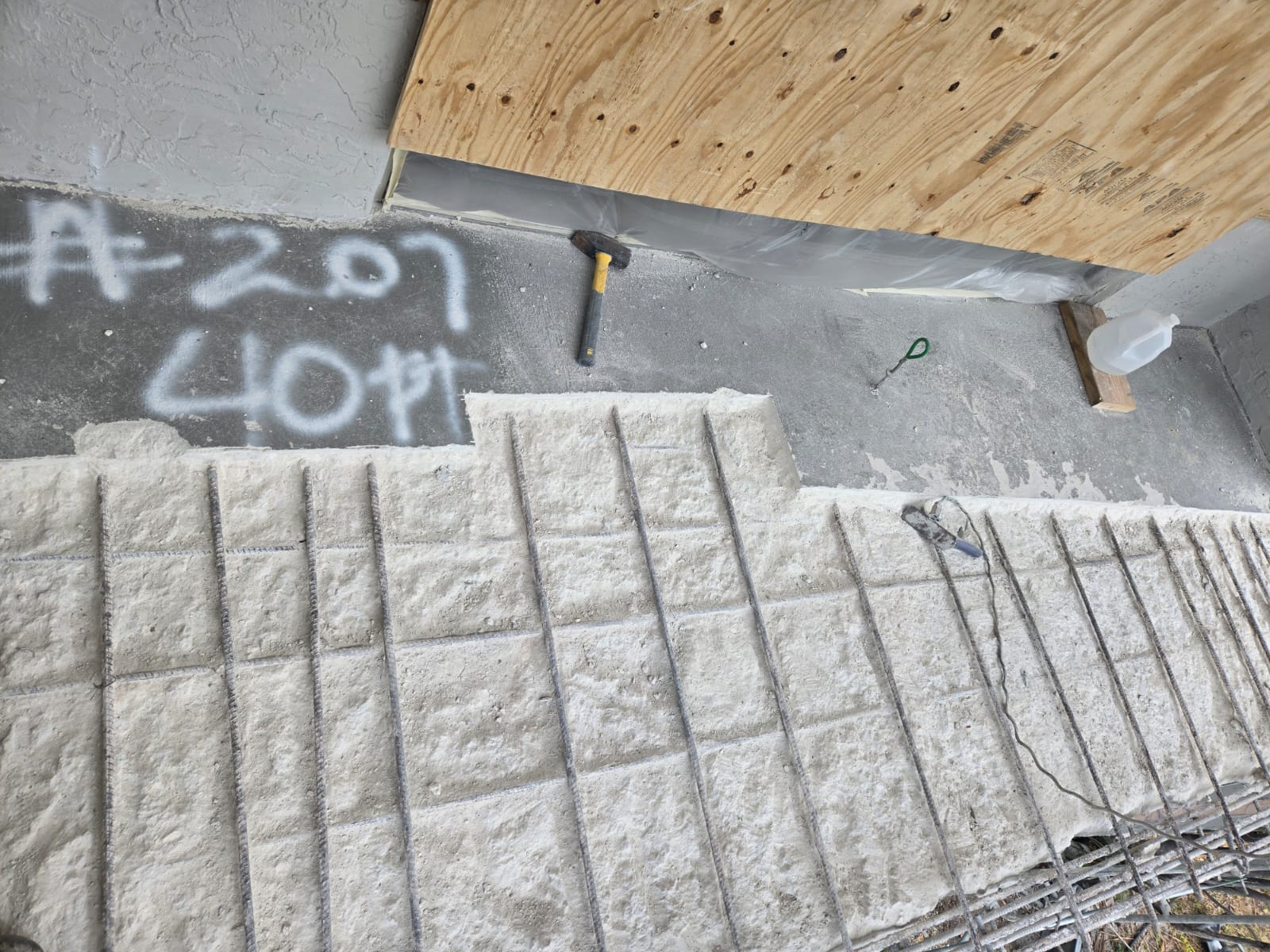
Chipping concrete to 3/4-inch clearance around oxidized steel, sandblasting to bare metal (SSPC-SP 10), and applying cathodic zinc primer.

04
Precision Execution

Polymer Mortar Cast & Curing

Scrubbing cementitious bonding slurry into SSD substrate, casting high-strength micro-concrete (>6,500 PSI), and controlling wet curing.

05
Quality & Sign-Off

Protective Membrane & Sign-Off

Applying elastomeric waterproofing barrier coats, performing flood testing, and securing final municipal building department permit sign-off.

Parking Garage Expansion Joints — Special Considerations
Field Verified • Active Florida Site
Florida Milestone • SB 4-D Engineering Standard
Direct Engineer-of-Record Coordination • Licensed CGC1517295 Execution
Commercial Asset Managers • HOA Boards

Parking Garage Expansion Joints — Special Considerations

Parking garages have the most demanding expansion joint conditions of any building type. Vehicular traffic creates dynamic loading that tears at joint sealants. Fuel and oil exposure chemically degrade many sealant materials. The combination of heavy loads, chemical exposure, and South Florida's UV heat requires joint systems specifically engineered for parking structure applications. Planet Construction FL uses DOT-approved polyurethane and modified silicone sealants in parking applications — materials with proven resistance to vehicle traffic, fuel, and UV degradation. In multi-level parking structures, we also coordinate joint repairs with the deck waterproofing system to ensure the joints don't become the weak point in an otherwise complete waterproofing envelope.

Multi-Unit Program Support

Phased construction logistics, resident notices, reserve study alignment, and direct engineer of record milestone recertification sign-offs.

HOA Board Presentation Packages & Milestone Recertification Decks
Multi-Year Capital Expenditure Phasing to Mitigate Special Assessments
Request Program Proposal Direct Qualifier CGC1517295 • No Obligation Board Review
Field Engineering Specifications • Structural Adequacy

Our Expansion Joint Repair Process

Every expansion joint repair begins with joint mapping — documenting the location, condition, dimensions, and movement characteristics of every joint in the scope. Old sealant is mechanically routed to the full joint depth to ensure proper adhesion of new material. Joint faces are ground clean and free of contamination. Backer rod is installed to the correct depth to control sealant profile and prevent three-sided adhesion — which causes premature sealant failure. Primer is applied where specified by the sealant manufacturer. Sealant is gun-applied in a single continuous pass, tooled to a concave profile, and allowed to cure without traffic exposure. We inspect the completed joint for voids, adhesion failure, and proper profile before the area is returned to service.

ACI 318 • ICRI 310.1R Field Adherence
Zero Subcontractor Handoffs
Request Scope Consultation
FIELD CRAFT • REAL SOUTH FLORIDA SITES

Verified Project Spotlight • South Florida Concrete Restorations

Documented case studies showcasing engineered structural repairs across Broward and Palm Beach County properties.

Condo Balcony Structural Restoration
DIV 03 • STRUCTURAL Weston, FL
WESTON • CONDOS

Condo Balcony Structural Restoration

Full-depth cantilevered balcony spall excavations, railing pocket re-anchoring, and multi-layer pedestrian traffic coatings for 48 units.

Permit Approved • City of Weston
Shear Wall & Parapet Restoration
DIV 07 • ENVELOPE Pompano Beach, FL
POMPANO BEACH • COASTAL TOWER

Shear Wall & Parapet Restoration

Extensive rebar replacement, micro-concrete form-and-pour jackets, and salt corrosion shielding for coastal high-rise assemblies.

SB 4-D Milestone Compliant • Broward County
Commercial Garage Deck Resurfacing
DIV 08 • COMMERCIAL Fort Lauderdale, FL
FORT LAUDERDALE • COMMERCIAL

Commercial Garage Deck Resurfacing

Hydro-demolition of 6,500 sq ft delaminated deck concrete, heavy vehicular expansion joints, and polyurethane traffic membranes.

Zero Downtime Phasing • City of Fort Lauderdale

Offering Entire Superior Services Solutions

Single-source general contracting, coastal roofing, and structural restoration engineered for South Florida.

Genti Kraja (John) - Planet Construction Qualifying Contractor
COMMON QUESTIONS • STRAIGHT ANSWERS

Frequently Asked Questions

Clear answers regarding engineering specifications, municipal code compliance, and structural concrete restoration standards.

How often should expansion joints be replaced?

Field-applied polyurethane sealants in parking and deck applications typically last 5–10 years before resealing is needed, depending on traffic volume and UV exposure. Silicone sealants in sheltered applications may last longer. Regular annual inspections catch joint failures before water infiltration causes downstream concrete damage — which is always far more expensive to repair than the joint itself.

Can expansion joint repair stop existing water leaks?

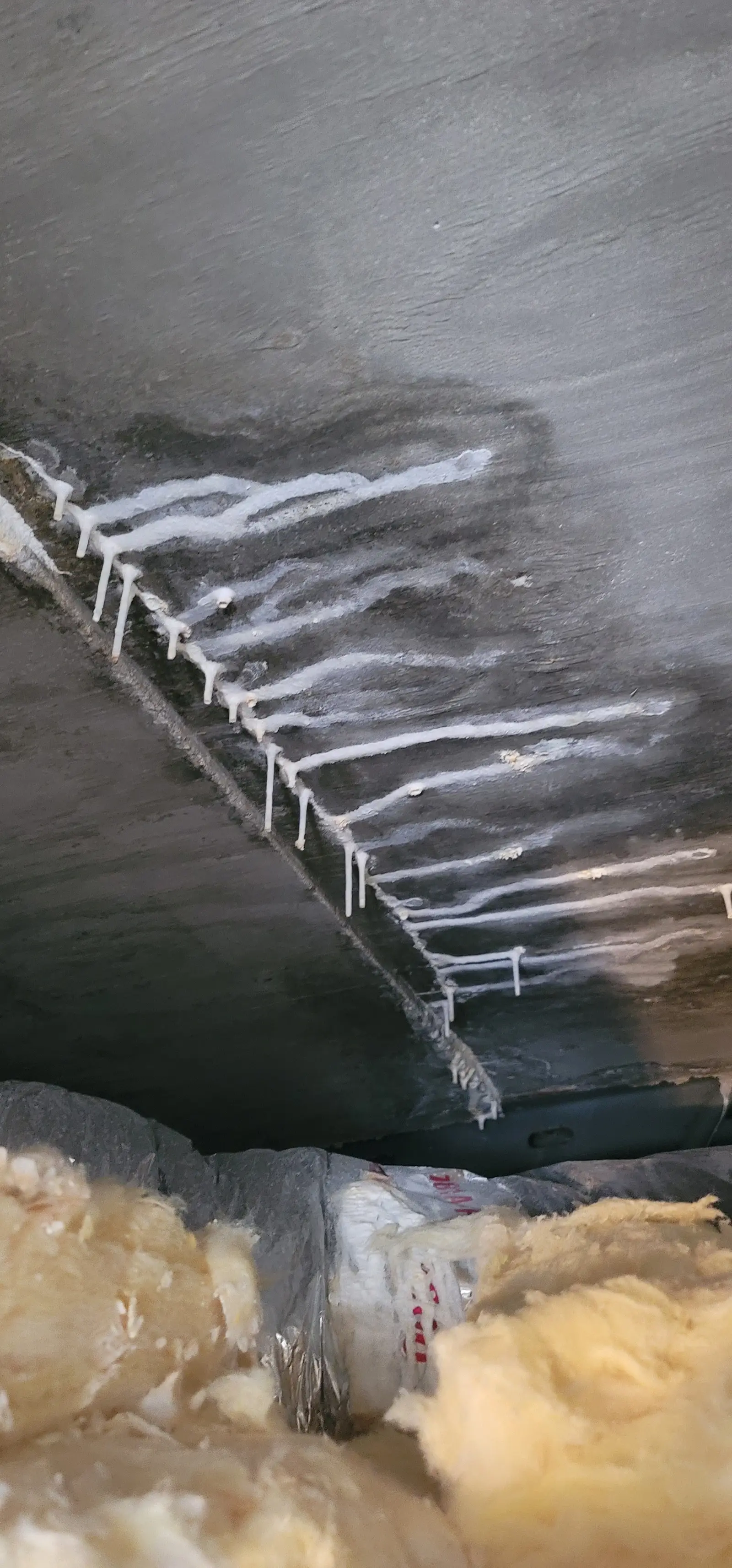
Yes — if the joint is the source. We confirm the source of leaks through water testing and visual tracing before specifying repairs. In many cases, repairing failed expansion joints eliminates interior water infiltration that building owners have been managing for years without addressing the actual cause.

Do expansion joint repairs require permits?

Standard sealant replacement on maintenance-level joint repairs typically does not require a permit. Structural joint modification, armor joint installation, or joint repairs conducted as part of a broader structural restoration or waterproofing project may require permits. We assess permit requirements for each project as part of our initial review.

What is the difference between an expansion joint and a control joint?

A control joint (also called a construction joint or saw-cut joint) is designed to manage where shrinkage cracking occurs in a concrete slab — it does not accommodate significant movement. An expansion joint is specifically engineered to allow thermal movement between two separate concrete sections. They require different repair approaches — and using the wrong repair material on either type creates problems down the line.

FAST WRITTEN ESTIMATES • DIRECT ACCOUNTABILITY

Seal Your Joints Before Water Wins — Get Estimate

Free joint inspection and quote. We'll tell you which joints need attention now and which can wait — honestly.

Need immediate contractor answers?

Speak directly with John Kraja, Qualifying Contractor (CGC1517295 & CCC1329271). No salesmen, no middleman brokers. We respond within 15 minutes during business hours.

(754) 301-6747
  • Florida Certified General Contractor • Lic #CGC1517295
  • Florida Certified Roofing Contractor • Lic #CCC1329271
  • $2,000,000 General Liability + Complete Workers' Comp

Zero obligation. Engineering and site plans held under strict commercial confidentiality.