SPECIALIZED DIVISION
Marine Concrete Seawall Cap & Panel Restoration Core Remediation
Comprehensive repair protocols meeting Florida Building Code and structural engineering specifications.
Request Detailed Quote →Saltwater is brutal on concrete and steel. We repair, reinforce, and waterproof seawalls with marine-grade materials engineered for South Florida's coastline.
Seawall repair in Fort Lauderdale is specialized marine concrete work that requires both structural expertise and deep understanding of South Florida's waterway environment. Fort Lauderdale's thousands of miles of canals, Intracoastal waterfront, and coastal properties make seawall conditions a critical concern for waterfront property owners throughout Broward County. Failing seawalls allow soil erosion behind the wall, undermine foundations, and ultimately compromise the property itself. At Planet Construction FL, we restore seawalls with marine-grade materials and proven methods — protecting your waterfront investment and the land behind it.
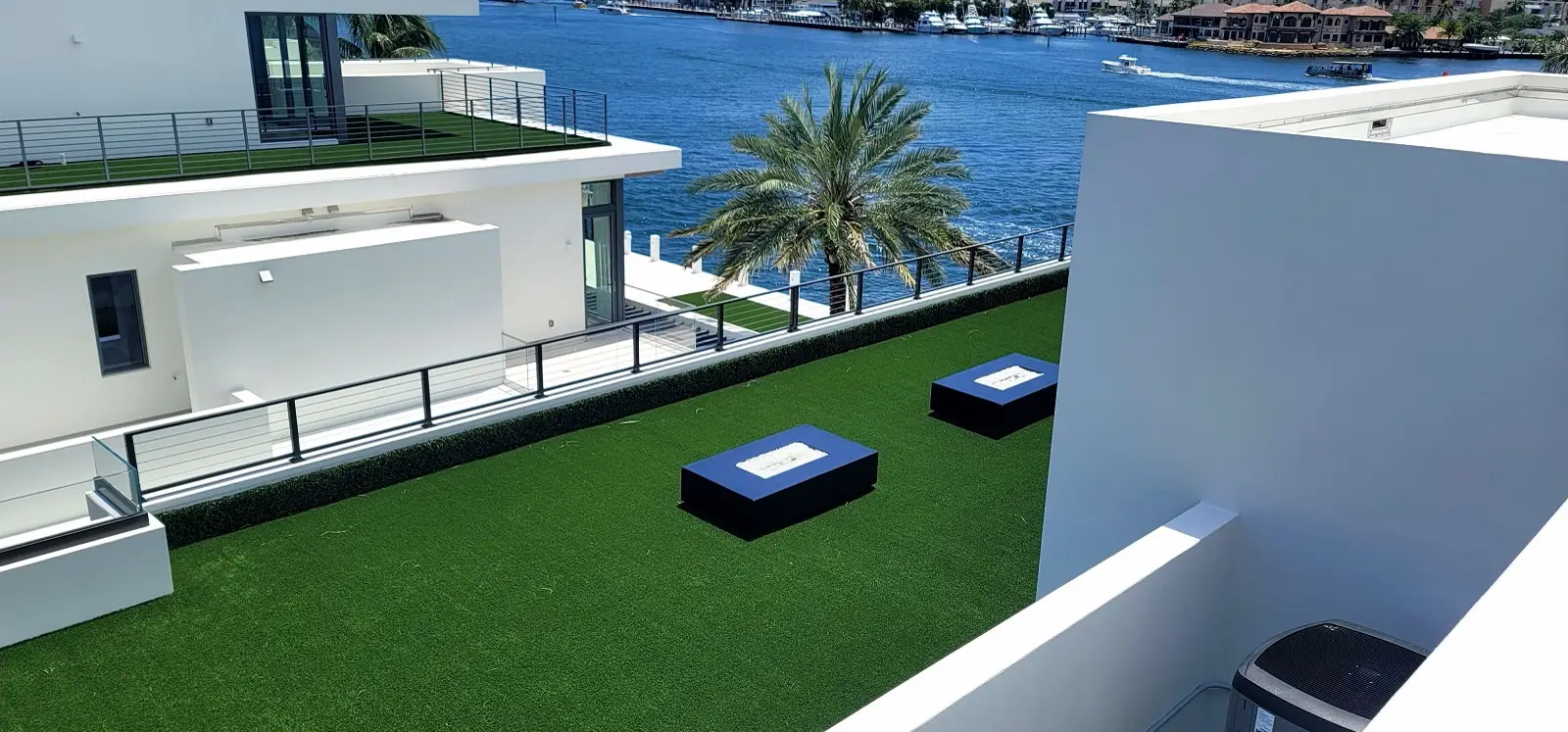
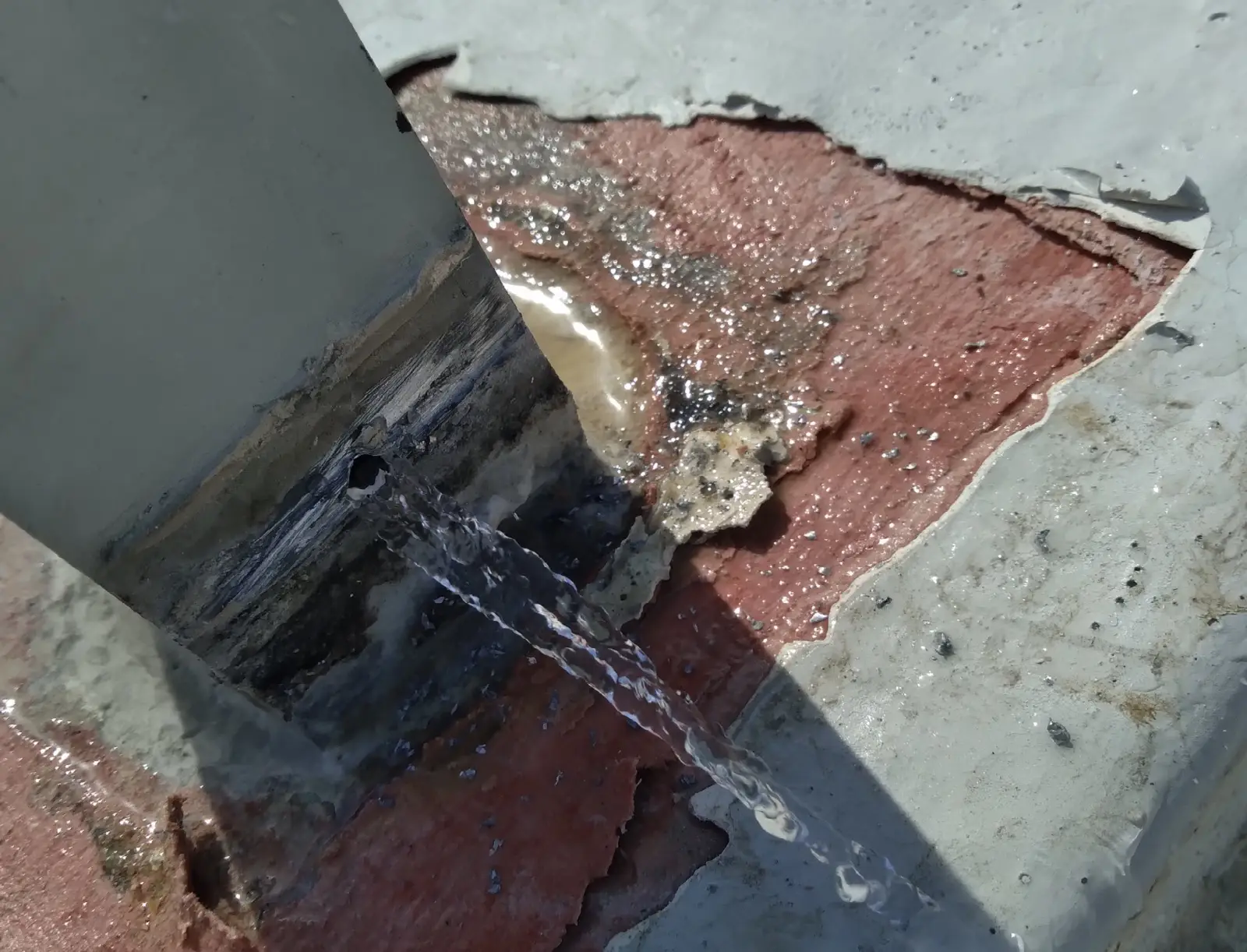
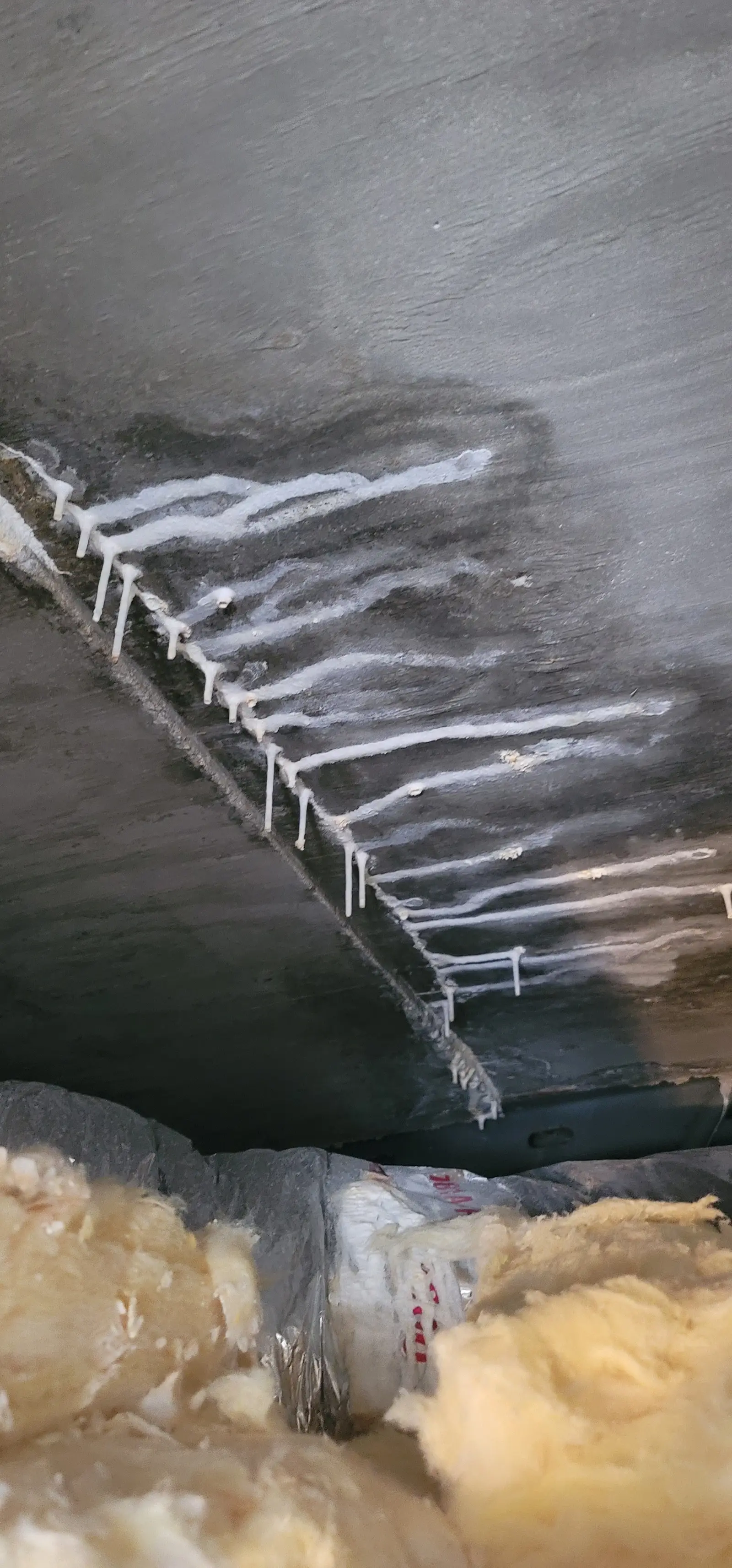
Full 360° rebar undercut, mechanical rust descaling to bare metal, and cathodic zinc primer application.
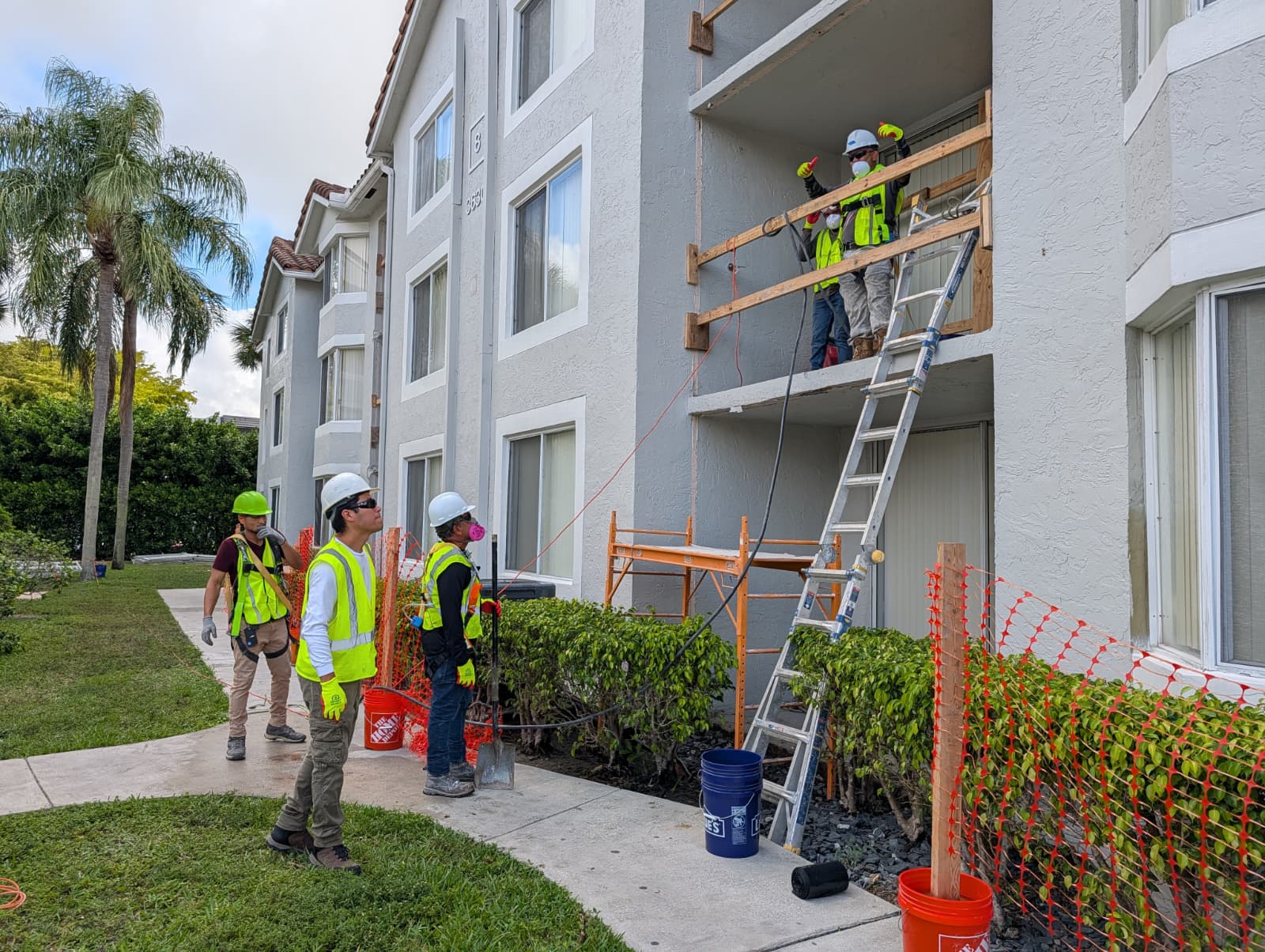
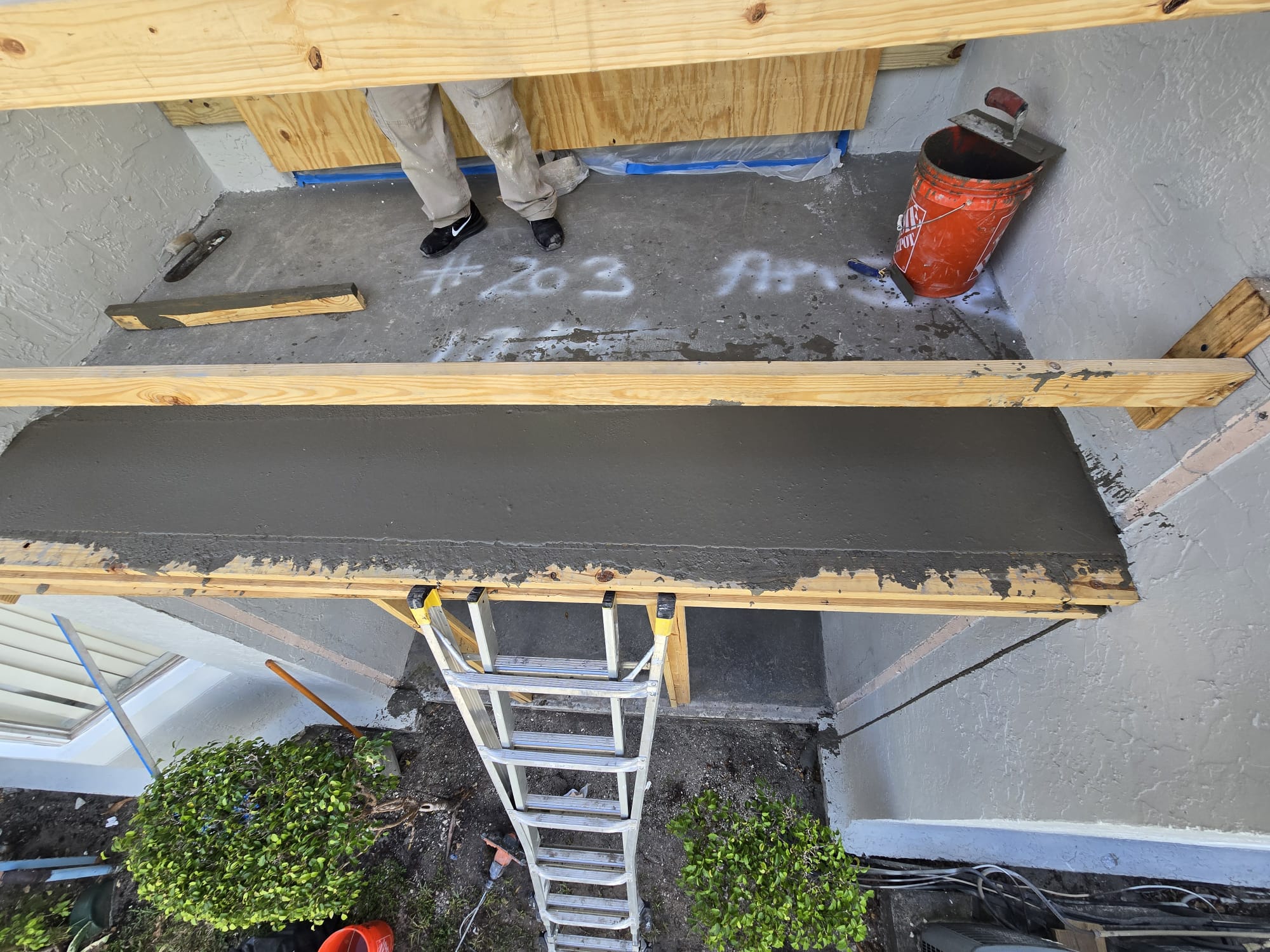
Engineered multi-tier shoring towers safely support live and dead superstructure loads prior to chipping.
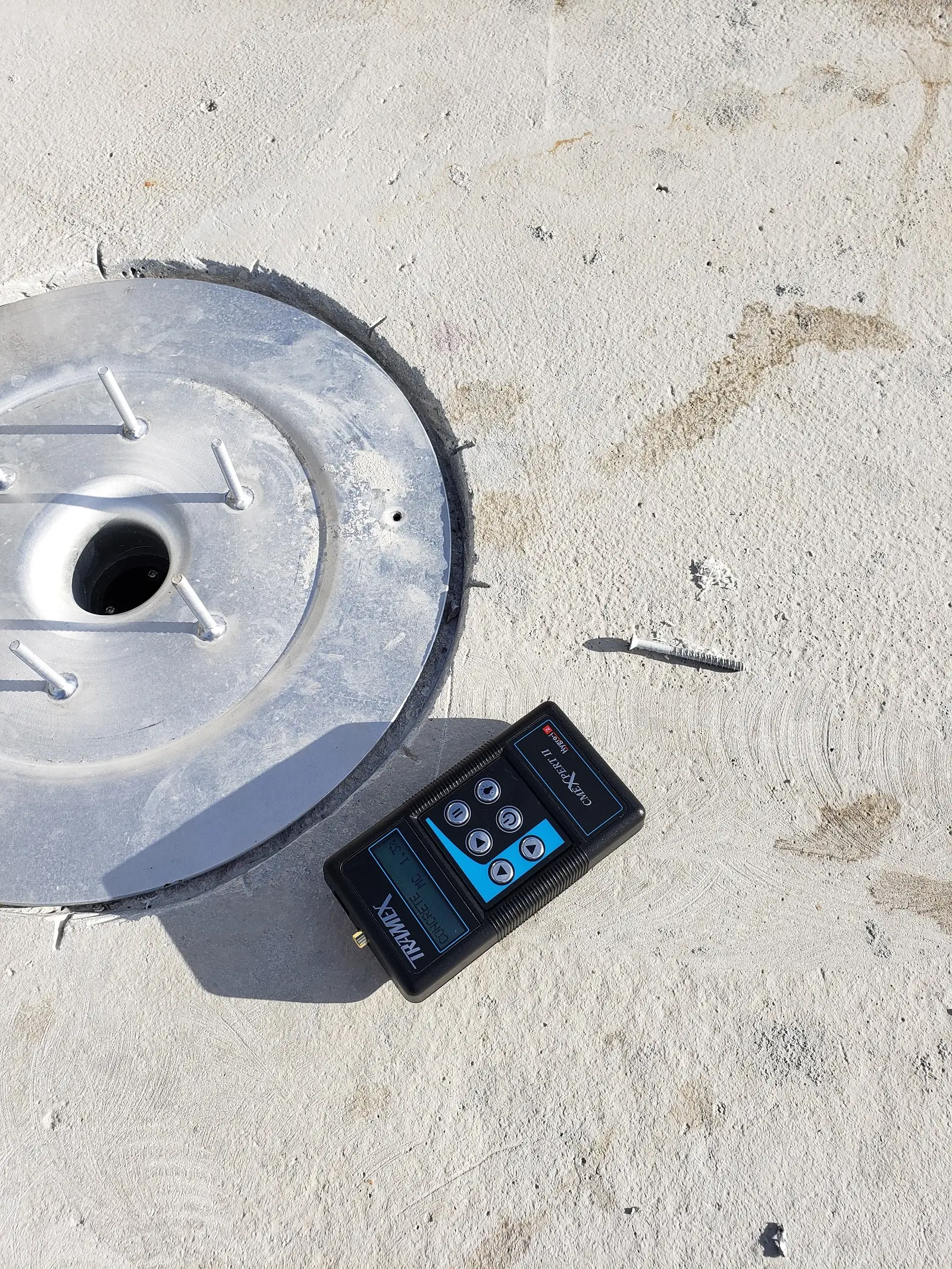
Turnkey threshold special inspections, concrete cylinder break tests, and final municipal certificate of completion.
Seawalls fight a losing battle against tidal action, saltwater corrosion, and constant moisture. Cracks let water in, rebar corrodes, voids form behind the wall, and soil starts washing out — all of it invisible until the wall suddenly bulges or fails. Coastal property owners often only learn the extent of the damage once it's already an emergency.
We use marine-grade materials engineered for constant saltwater exposure: corrosion-resistant rebar, specialized repair mortars, void-filling grouts, and waterproof coatings. Damaged sections are repaired, voids behind the wall are filled, and the entire surface is protected against the next decade of tidal action. Coastal repairs need coastal-grade work — that's all we do here.
Fort Lauderdale's seawalls face a relentless combination of forces that accelerate deterioration. Tidal fluctuation and wave action apply cyclic loading to the wall face constantly. Salt water is among the most aggressive environments for concrete and embedded steel — chloride concentration in seawater is dramatically higher than in coastal air, attacking rebar corrosion protection directly. Soil erosion behind the wall — driven by water infiltrating through cracks, joints, and weep holes — progressively removes the material the wall is designed to retain. Boat wake creates hydraulic pressure at the wall base. The result is a predictable failure progression: cracking and spalling at the water line and below, corrosion of the steel tie-back rods that anchor the wall from behind, erosion of the soil berm behind the cap, and ultimately forward movement of the wall as anchor capacity is lost.
SPECIALIZED DIVISION
Comprehensive repair protocols meeting Florida Building Code and structural engineering specifications.
Request Detailed Quote →
SURFACE PROTECTION
Seamless elastomeric barriers protecting underlying assemblies from South Florida salt-air and rain penetration.
View Waterproofing Options →
STRUCTURAL FRAMES
Engineered hydraulic load transfer towers, steel splice welds, and polymer micro-concrete jacketing.
Inquire About Shoring →
QUALITY CONTROL
On-site special inspector reviews, cylinder breaks, pull-off adhesion testing, and certificate of completion.
Request Engineering Audit →
EXTERIOR ENVELOPE
Stucco crack isolation, urethane expansion joint renewal, and coastal salt corrosion shielding systems.
Explore Facade Services →
SUBTERRANEAN DEFENSE
Hydrophobic polyurethane and epoxy injection stopping subterranean water intrusion in elevator pits and foundations.
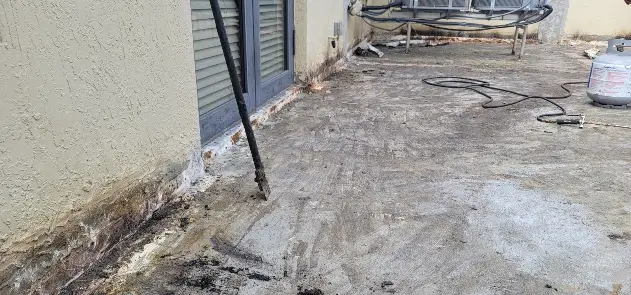
Request Leak Diagnostic →Waterfront property owners in Fort Lauderdale should regularly inspect their seawall for the warning signs that precede failure. Cracking at the water line — particularly horizontal cracks — indicates bending stress and potential tie-back corrosion. Spalling and exposed rebar on the wall face are indicators of advanced chloride corrosion. Voids or sinkholes appearing in the lawn or paving immediately behind the seawall cap signal that soil is being lost through the wall into the waterway — a serious and accelerating problem once it begins. The seawall cap (the horizontal concrete element at the top of the wall) may show cracking, displacement, or settling as the wall behind it moves. Water seeping through the wall face during tidal changes indicates through-cracking that is allowing direct waterway-to-land water movement.
Concrete structural restorations intersect with waterproofing membranes, expansion joints, and municipal milestone permits. Dividing trades creates delays, finger-pointing, and voided warranties.
Separate concrete patchers, painters, and coating contractors frequently void each other's warranties. If water intrusion recurs, the waterproofer blames the concrete mortar while the mason blames the sealant.
John Kraja directly manages the entire structural restoration under dual state licenses (CGC1517295 & CCC1329271). In-house crews chip spalls, treat rebar, cast structural mortars, and apply warranted traffic coatings under single-source accountability.
We pull permits directly across Fort Lauderdale, Pompano Beach, Hollywood, Boca Raton, and Weston building departments. We coordinate engineering special inspections daily to prevent costly stop-work delays.
Seawall repair options range from localized concrete restoration to full void filling and cap replacement, depending on the extent of deterioration and structural condition. Surface concrete repair addresses spalling and exposed rebar on the wall face using marine-grade repair mortars formulated for submerged and splash zone applications. Void filling behind the wall uses pressure grouting or expanding polyurethane foam to fill soil voids and stop the erosion pathway that is removing material behind the wall. Seawall cap repair or replacement restores the structural cap element, which is often the most deteriorated component due to its exposure at the wave splash zone. Tie-back rod inspection and replacement addresses corroded anchor rods where wall movement indicates loss of anchor capacity. Planet Construction FL coordinates with marine contractors for any below-waterline work where required.

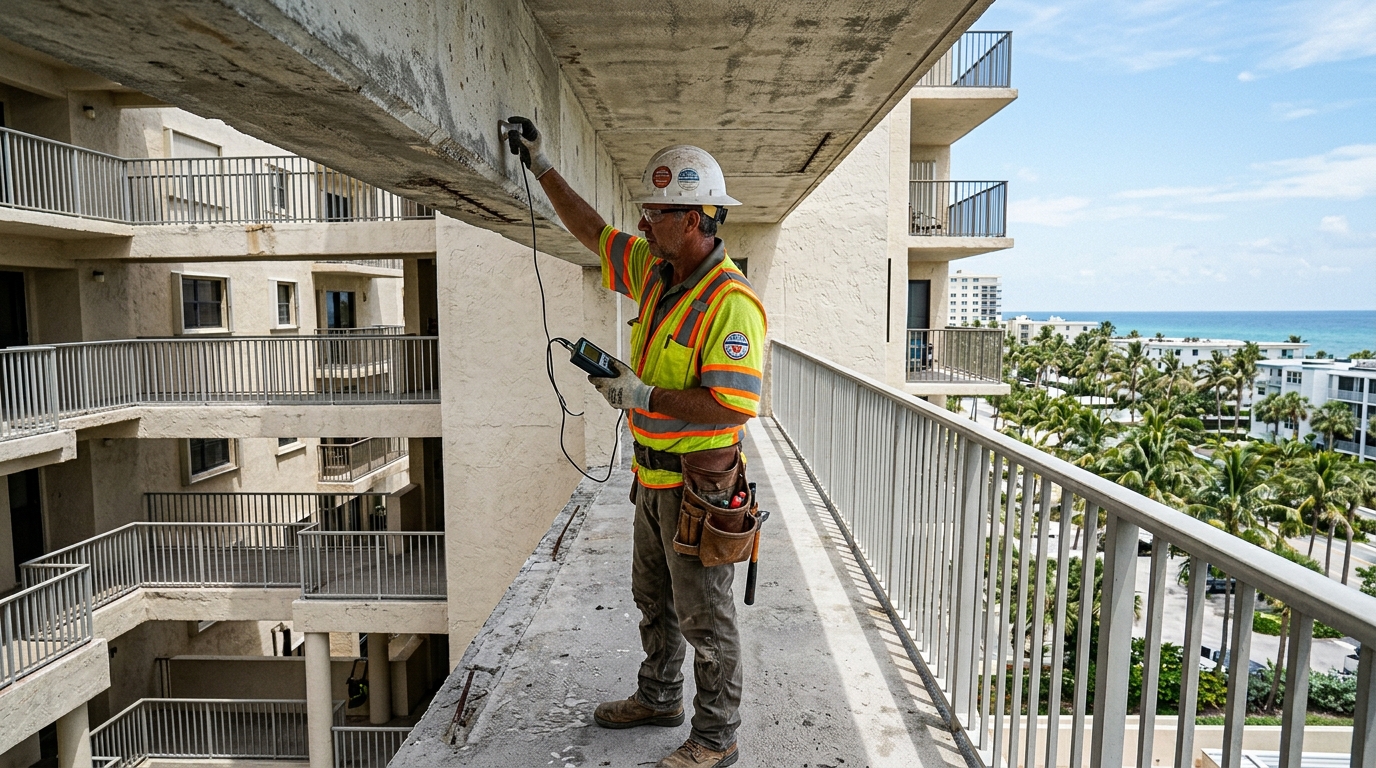
Technicians review engineer reports and conduct acoustical hammer sounding surveys to map hidden subsurface delaminations.
Erecting calibrated multi-tier hydraulic shoring towers and pulling municipal building department permits across South Florida.
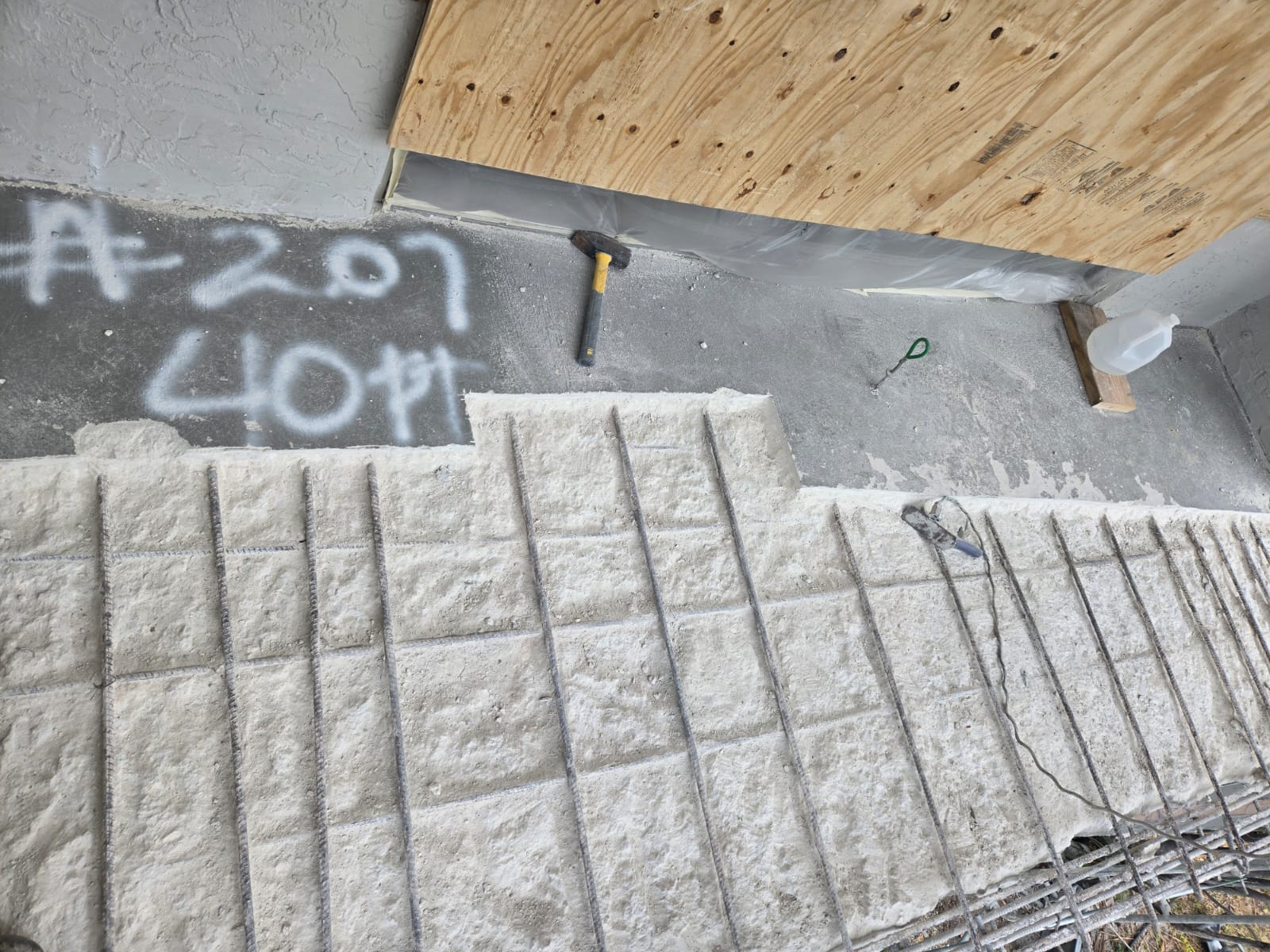
Chipping concrete to 3/4-inch clearance around oxidized steel, sandblasting to bare metal (SSPC-SP 10), and applying cathodic zinc primer.
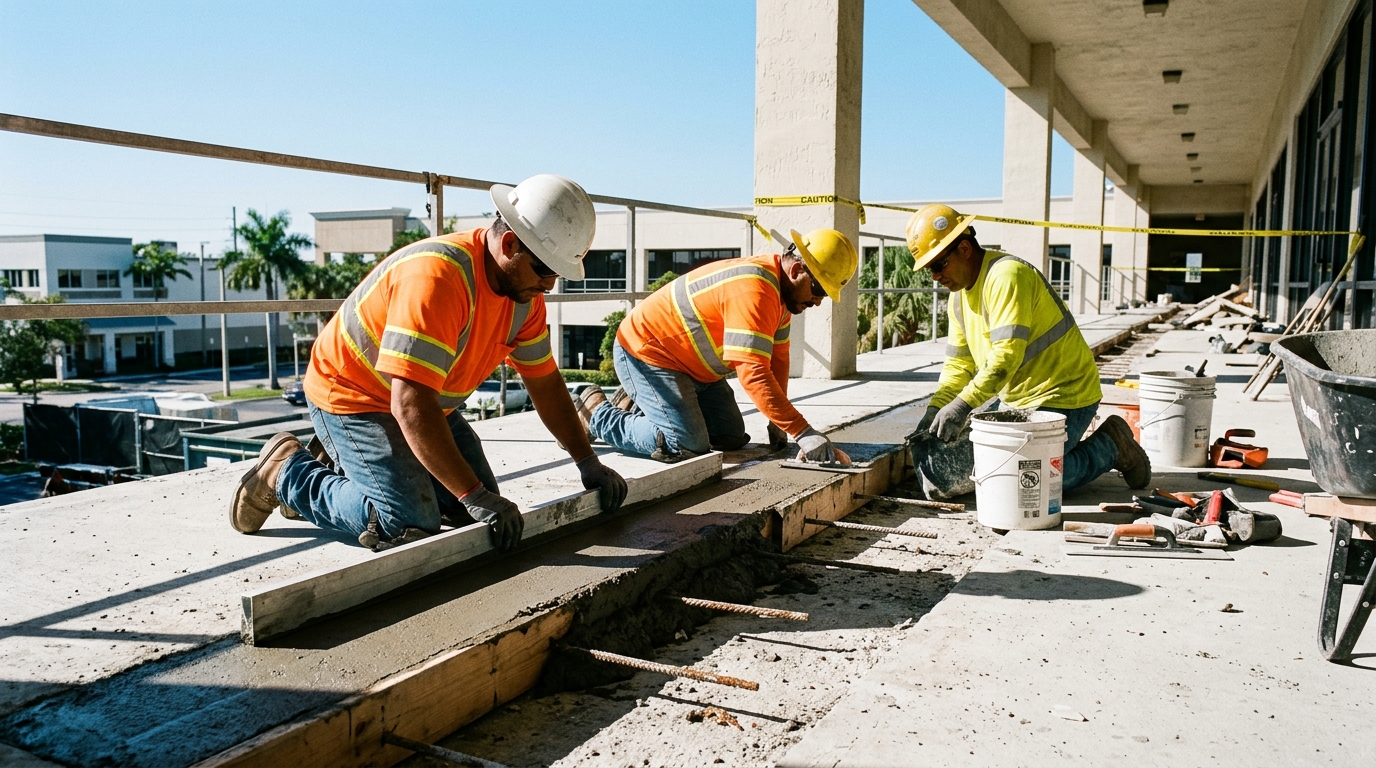
Scrubbing cementitious bonding slurry into SSD substrate, casting high-strength micro-concrete (>6,500 PSI), and controlling wet curing.
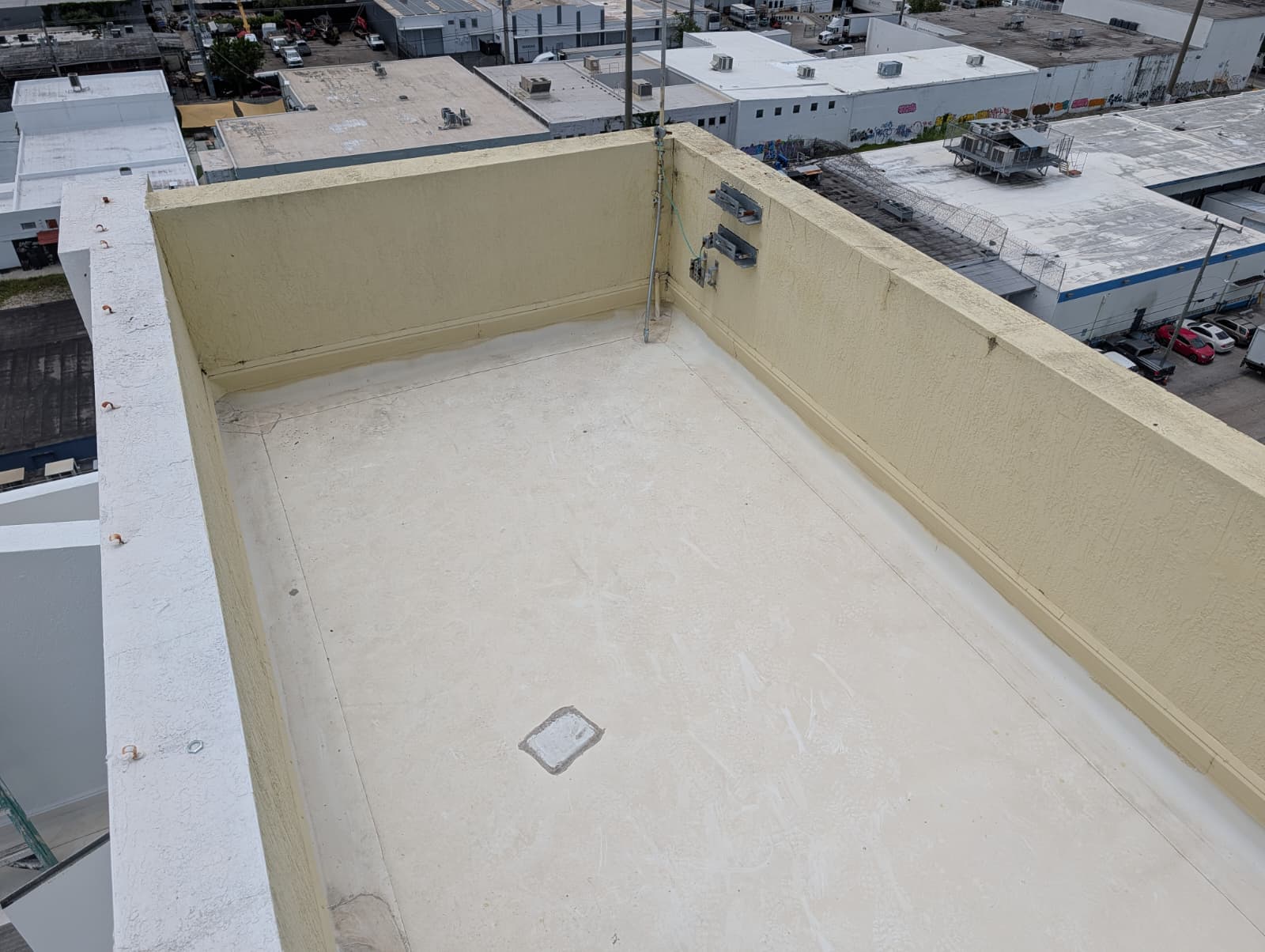
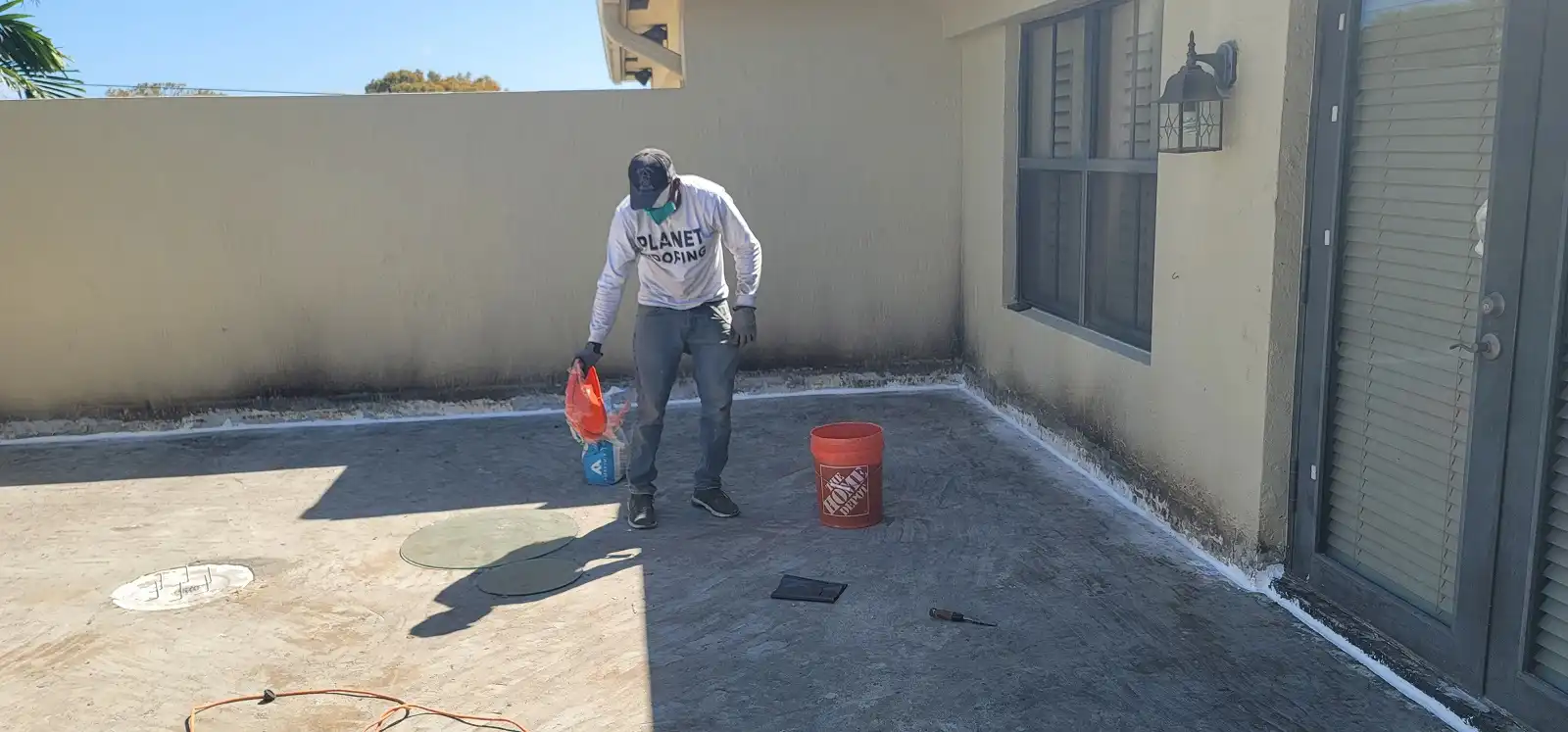
Applying elastomeric waterproofing barrier coats, performing flood testing, and securing final municipal building department permit sign-off.
Seawall repair in Fort Lauderdale requires marine-grade repair materials that perform in the splash zone and submerged conditions — not standard construction-grade concrete or repair mortars. Planet Construction FL uses epoxy-modified mortars and corrosion-inhibiting systems specifically formulated for marine concrete repair, with chloride resistance, low permeability, and bond strength appropriate for waterway exposure. Seawall repair in Florida also involves regulatory requirements — work within or adjacent to Florida waterways may require permits from the Florida Department of Environmental Protection (FDEP), the Army Corps of Engineers, and Broward County. Planet Construction FL identifies applicable permit requirements for each project and coordinates with the appropriate regulatory agencies before work begins.
Phased construction logistics, resident notices, reserve study alignment, and direct engineer of record milestone recertification sign-offs.
Documented case studies showcasing engineered structural repairs across Broward and Palm Beach County properties.
Full-depth cantilevered balcony spall excavations, railing pocket re-anchoring, and multi-layer pedestrian traffic coatings for 48 units.
Extensive rebar replacement, micro-concrete form-and-pour jackets, and salt corrosion shielding for coastal high-rise assemblies.
Hydro-demolition of 6,500 sq ft delaminated deck concrete, heavy vehicular expansion joints, and polyurethane traffic membranes.
Clear answers regarding engineering specifications, municipal code compliance, and structural concrete restoration standards.
Seawall deterioration is progressive and self-accelerating. A small crack allows water infiltration that erodes soil behind the wall — increasing the load on the wall and accelerating further cracking. Void formation behind the wall is particularly urgent — once soil loss begins, it can undermine paving, landscaping, and building foundations quickly. Early-stage seawall repair is always significantly less expensive than addressing advanced failure or soil loss behind the wall.
Localized surface repair — spalling and crack repair on the wall face — typically takes 2–5 days including tide scheduling. Void filling with pressure grouting or polyurethane foam takes 1–3 days depending on the extent of voiding. Cap replacement or full wall section repair is a larger scope and is scheduled based on the condition assessment. Permit timelines from FDEP and Army Corps of Engineers vary — we advise factoring 4–8 weeks for permit issuance on permitted marine work.
Many seawall repair tasks can be performed in tidal conditions — marine-grade repair mortars are formulated to bond and cure in wet and submerged conditions. Work at the water line is typically staged around tidal cycles. Below-waterline structural repairs may require temporary dewatering or coordination with marine dive contractors. We assess each project's tidal work requirements and plan accordingly.
In most cases, seawall repair work is contained to the property being repaired. However, void filling with pressure grout can migrate along the waterway bottom in some soil conditions, and we monitor grout placement carefully to control this. For waterway-adjacent properties, we communicate with neighboring owners when work may be visible or audible from adjoining properties, and we coordinate with marina operators and waterway users for projects on active boat traffic waterways.
Schedule a free seawall inspection. We'll document damage above and below the waterline and give you a clear repair plan.
Speak directly with John Kraja, Qualifying Contractor (CGC1517295 & CCC1329271). No salesmen, no middleman brokers. We respond within 15 minutes during business hours.
(754) 301-6747